Author: Mark Parzynski, DAOM, L.Ac.

  • The Science of Gua Sha: Understanding Its Biomedical Mechanisms

    The Science of Gua Sha: Understanding Its Biomedical Mechanisms

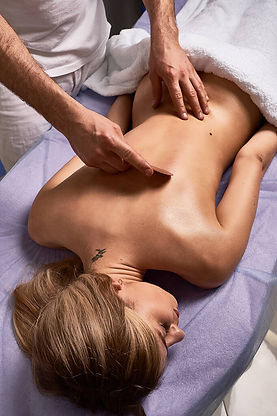
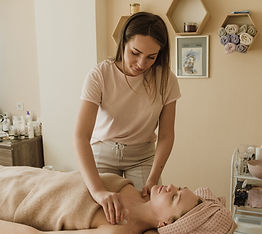
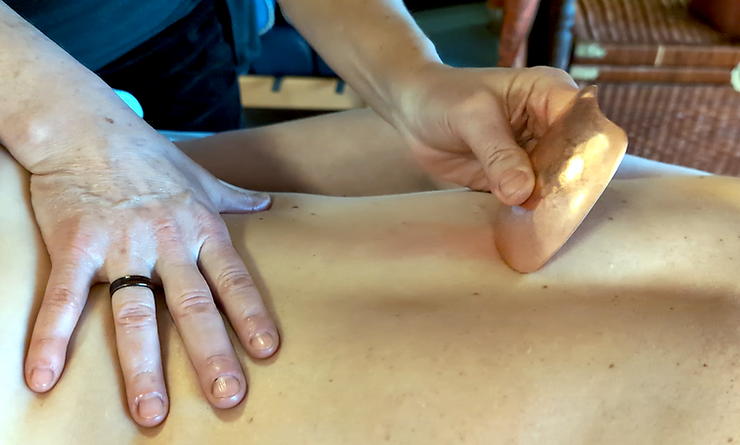
    Hands perform a massage with a copper tool on a person's back in a calm indoor setting. Warm tones and a relaxed atmosphere prevail.

    Science of Gua Sha

    For those of us using gua sha in clinical practice, its effectiveness in relieving pain, improving circulation, and restoring mobility is well established. However, understanding why it works can refine our techniques and enhance treatment outcomes. Modern research is shedding light on the physiological mechanisms behind gua sha’s effects, bridging traditional practice with contemporary biomedical science. This article explores how gua sha initiates a healing cascade, upregulates heme oxygenase-1 (HO-1) to modulate inflammation, influences biotensegrity by addressing fascial restrictions, and releases myofascial trigger points to restore neuromuscular balance. Whether you’re an experienced practitioner or exploring gua sha’s potential, these insights will deepen your understanding and improve clinical application.

    1. Inducing a Directed Healing Cascade

    Gua sha works by applying controlled mechanical pressure to the skin, producing a therapeutic microtrauma that initiates a localized inflammatory response. This process is visible as petechiae or sha, appearing as red or purple discoloration on the skin. While this may seem counterintuitive, controlled inflammation is a crucial step in tissue healing.

    Upon activation, the inflammatory cascade increases local circulation, bringing immune cells such as macrophages to the affected area. These macrophages remove damaged tissue while signaling fibroblasts and other reparative cells to initiate tissue regeneration.[1] In cases of chronic injury, where the healing process may have stalled, gua sha helps to refocus and restart repair mechanisms. This explains why gua sha is often used to alleviate pain and improve tissue recovery in musculoskeletal conditions.

    In clinical application, techniques that emphasize invoking the healing cascade can be directed locally, at the site of chronic a injury, reinvigorating a healing response that may have gone dormant. However, localized gua sha should be avoided in areas of acute injury or active inflammation, as it may exacerbate the condition.

    2. The Anti-Inflammatory Role of Heme Oxygenase-1 (HO-1)

    One of the most compelling findings in biomedical research is the upregulation of heme oxygenase-1 (HO-1) following gua sha treatment. HO-1 is an antioxidative enzyme that plays a crucial role in reducing systemic inflammation and oxidative stress. Increased HO-1 has been linked to various physiological benefits, including:
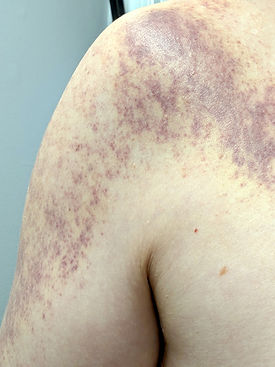
    Sha marks from gua sha on shoulder showing extensive purple and reddish discoloration on light skin. Background is a neutral indoor setting.
    • Reduction in oxidative damage – HO-1 helps neutralize free radicals, preventing cellular damage and mitigating chronic inflammation.
    • Liver health support – Research suggests that HO-1 inhibits the replication of hepatitis B and C viruses and reduces liver inflammation by downregulating pro-inflammatory cytokines. This may explain why gua sha has traditionally been used for liver disorders, including fatty liver disease and hepatitis.[6]
    • Pulmonary protection – Gua sha has long been used for respiratory conditions such as asthma and emphysema. Given that oxidative stress contributes to many pulmonary diseases, HO-1 upregulation may enhance lung resilience against oxidative damage.[7]

    Although further research is needed to fully understand the systemic effects of HO-1 upregulation, this enzyme clearly plays a pivotal role in gua sha’s broad therapeutic benefits.[2-5]

    In practice, techniques that upregulate HO-1 can be used distally for injury treatment and when a systemic anti-inflammatory response is desired. When appropriately applied, these techniques may also support pulmonary conditions, as well as liver health. Notably, the production of sha can serve as an observable marker for clinicians, indicating that HO-1 is being upregulated, since controlled trauma is a precursor to its production.

    3. Gua Sha for Biotensegrity and Myofascial Release

    From a biomechanical perspective, gua sha influences the tensegrity-based anatomy of the body. The concept of tensegrity, first introduced by architect Buckminster Fuller and later applied to human anatomy by Dr. Stephen Levin, describes how biological structures rely on balanced tension rather than rigid frameworks for stability.[8-10]

    In the human body, bones are not simply stacked upon each other; rather, they “float” within a continuous myofascial network that maintains structural integrity. Fascia, muscles, tendons, and ligaments all contribute to this dynamic system, ensuring that forces are evenly distributed.

    When fascial restrictions occur—whether due to injury, poor posture, or repetitive stress—imbalances in the tensegrity system lead to dysfunction and pain. For example:

    • A tight iliotibial (IT) band can pull on the lateral aspect of the knee, altering joint mechanics and leading to pain or instability.
    • Restrictions in the upper back and neck fascia can contribute to tension headaches and reduced mobility.

    Gua sha acts as a form of myofascial release, breaking up adhesions and restoring natural tension within the body’s tensegrity matrix. By releasing fascial restrictions, gua sha promotes optimal movement, reduces pain, and enhances musculoskeletal function.

    In practice, applying gua sha at key anatomical convergence points—such as the sacroiliac region, pes anserinus, or areas where myofascial layers intersect—can help balance structural integrity even in distant regions of the body. It is essential to treat the body holistically rather than focusing solely on symptomatic areas, as the whole is greater than the sum of its parts.
    4. Gua Sha for Trigger Point Release and Neuromuscular Rebalancing

    Another key mechanism of gua sha is its ability to release myofascial trigger points—hyperirritable nodules within taut bands of skeletal muscle. These trigger points, commonly referred to as “knots,” can cause localized pain, referred pain, and muscular dysfunction. [11-13}

    Trigger points form due to muscle overuse, direct trauma, or chronic stress, leading to neuromuscular dysfunction characterized by:

    • Reduced blood flow, causing metabolic waste accumulation and tissue hypoxia.
    • Sustained muscle contraction, leading to pain, stiffness, and restricted range of motion.
    • Referred pain patterns, where discomfort is felt in areas distant from the actual trigger point.

    Gua sha effectively disrupts this cycle by applying focused pressure and mechanical shear forces to the affected area, resulting in:

    • Increased microcirculation, which flushes out metabolic waste and brings in fresh oxygenated blood.
    • Inhibition of excessive nerve firing, reducing pain and muscular hyperactivity.
    • Restoration of neuromuscular balance, allowing muscles to relax and function optimally.

    This mechanism makes gua sha particularly effective for conditions such as:

    • Myofascial pain syndrome
    • Tension headaches
    • Temporomandibular joint (TMJ) dysfunction
    • Chronic neck and shoulder pain

    When using gua sha for trigger point release, focused and precise press-scraping techniques should be applied to the area. This method breaks down affected tissue while increasing circulation, aiding in the regeneration of muscle and fascial structures.

    Conclusion

    Traditional therapies like gua sha should not be dismissed as mere historical practices; rather, they deserve deeper exploration through modern scientific methods to refine their clinical applications. While gua sha has been used for centuries based on empirical results, contemporary research is now uncovering the physiological mechanisms that drive its effectiveness. By integrating traditional wisdom with biomedical understanding, we can enhance the clinical efficacy of gua sha and expand its therapeutic potential.

    The same principles that have guided gua sha’s use for generations, but explained through traditional terminology are now being explained through mechanisms such as the initiation of a directed healing cascade, upregulation of heme oxygenase-1 (HO-1) for anti-inflammatory effects, restoration of biotensegrity through fascial release, and deactivation of myofascial trigger points to rebalance neuromuscular function. Rather than replacing tradition, modern research validates and refines these time-tested practices, allowing us to apply them with greater specificity and effectiveness.Gua sha exemplifies how traditional practices can evolve and integrate seamlessly into modern healthcare.


    References

    1. Sinno H, Prakash S. Complements and the Wound Healing Cascade: An Updated Review. Plast Surg Int. 2013;2013:1–7. pmid:23984063

    2. Kwong KK, Kloetzer L, Wong KK, et al. Bioluminescence imaging of heme oxygenase-1 upregulation in the Gua Sha procedure. J Vis Exp. 2009;(30). doi:10.3791/1385

    3. Lauche R, Wübbeling K, Lüdtke R, et al. Randomized Controlled Pilot Study: Pain Intensity and Pressure Pain Thresholds in Patients with Neck and Low Back Pain Before and After Traditional East Asian "Gua Sha" Therapy. Am J Chin Med. 2012;40(05):905-917. doi:10.1142/S0192415X1250067X

    4. Chan S, Yuen JWM, Gohel M-DI, Chung C, Wong H, Kwong KK. Guasha-induced hepatoprotection in chronic active hepatitis B: A case study. Clin Chim Acta. 2011;412(17-18):1686-1688. doi:10.1016/J.CCA.2011.05.009

    5. Nielsen A. The Science of Gua Sha. Complement Ther Med. 2012;155:1-7.

    6. Sass G, Barikbin R, Tiegs G. The Multiple Functions of Heme Oxygenase-1 in the Liver. Z Gastroenterol. 2012;50(01):34-40. doi:10.1055/s-0031-1282046

    7. Choi AM, Alam J. Heme oxygenase-1: function, regulation, and implication of a novel stress-inducible protein in oxidant-induced lung injury. Am J Respir Cell Mol Biol. 1996;15(1):9-19. doi:10.1165/ajrcmb.15.1.8679227

    8.. Levin S. Oxford Textbook of Musculoskeletal Medicine; Chapter 16. Tensegrity, The New Biomechanics. Oxford University Press; 2015.

    9. Ingber DE. Cellular tensegrity: defining new rules of biological design that govern the cytoskeleton. J Cell Sci. 1993;104:613-627.

    10. Levin SM. Biotensegrity-The Mechanics of Fascia What Puts the Spring in Your Step? View project Biotensegrity View project. 2012. doi:10.1016/B978-0-7020-3425-1.00054-4

    11. Stow R. Instrument-Assisted Soft Tissue Mobilization. Mokha M, ed. Int J Athl Ther Train. 2011;16(3):5-8. doi:10.1123/ijatt.16.3.5

    12. Dawn T. Gulick, “Instrument-assisted soft tissue mobilization increases myofascial trigger point pain threshold,” Journal of Bodywork and Movement Therapies 22, no. 2 (2018): 341-345, https://doi.org/10.1016/j.jbmt.2017.10.012.

    13. Haytham M. El-hafez, Hend A. Hamdy, Mary K. Takla, Salah Eldin B. Ahmed, Ahmed F. Genedy, and Al Shaymaa S. Abd EL-Azeim, “Instrument-assisted soft tissue mobilisation versus stripping massage for upper trapezius myofascial trigger points,” Journal of Taibah University Medical Sciences 15, no. 2 (2020): 87-93, https://doi.org/10.1016/j.jtumed.2020.01.006.
  • Teishin Self Treatment Guide

    Teishin Self Treatment Guide

    Teishin Treatment for the Stomach Qi Line

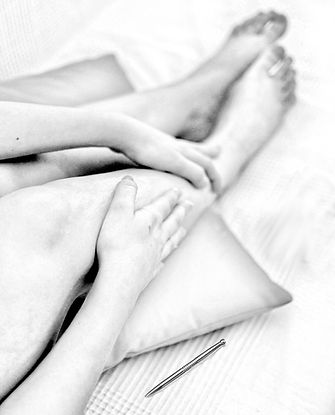
    This guide offers a simple, meditative self-treatment using Japanese Meridian Therapy principles and a teishin to harmonize the Stomach Qi line on your leg. This approach focuses on gentle touch and mindful awareness of the meridian’s flow, rather than focusing on specific acupuncture points.

    St Qi Line Acupuncture Meridian

    What is the Stomach Qi Line?

    The Stomach Qi line represents the lower portion of the Yang Ming meridian and includes the five transport points of the Stomach.

    Rather than viewing the Stomach Qi line as a thin line, consider it as an area. Use a gentle, compassionate touch, and trust your hands to develop palpation skills. Effective treatments arise not from memorizing points but from learning to feel the current state of the channel.

    “All acupuncture is to tonify what is deficient and reduce what is in excess.” – Ling Shu Ch.1

    Preparation for Treatment:

    1. Find a tranquil space: Choose a quiet, comfortable area where you won’t be disturbed.
    2. Set the mood: Dim the lights, put on calming music, or light incense if you wish.
    3. Settle in: Sit in a comfortable position, ensuring your legs are easily accessible.
    4. Ground yourself: Take a few deep breaths, focusing on your connection to the earth and your body. Take all the time you need.

    Self Treatment:

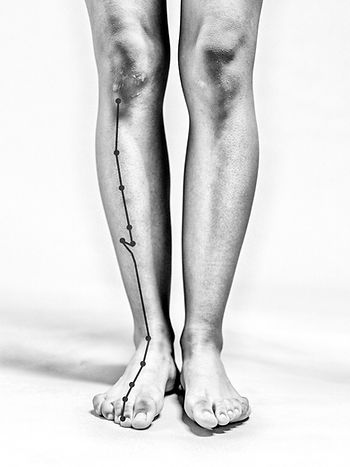
    1. Trace the meridian: Gently place your fingertips on the top of your second toe. Slowly and mindfully trace the path of the Stomach meridian up your leg, using light pressure. Visualize the energy flowing smoothly along this line. Stop at the eye of the knee. This is St 35.
    2. Feel for hollows: As you trace the meridian, notice any areas that feel empty,soft or cold. This may indicate areas of deficiency.
    3. Gentle Tonification: When you find a hollow. pause and rest the round tip of the teishin on that area. Apply gentle, consistent pressure, allowing your warmth and intention to penetrate and fill the tissues. Breath deeply and relax into each point before moving to the next. Complete the Stomach Qi Line.
    4. Retrace the meridian: Gently place your fingertips at the eye of the knee (St35). Slowly and mindfully trace the path of the Stomach meridian down your leg, using light pressure. Visualize the energy flowing smoothly along this line. Stopping at the tip of the second toe.
    5. Feel for sensitivities: As you trace the meridian, notice any areas that feel tender, tight, or otherwise sensitive. These may indicate areas of stagnation or imbalance.
    6. Gentle Reduction: When you find a sensitive spot, pause and rest the sharp tail of the teishin on that area. Apply a gentle touch, consistent light pressure, allowing your warmth and intention to melt away the tension and sensitivity. Breath deeply and relax into each point before moving to the next point.
    7. Repeat on the other Leg: This time is yours. Take a deep breath and repeat the sequence on the other leg.
    8. Complete the treatment: Sit in a straight and relaxed position. Take nine deep, slow breaths, feeling the energy flowing smoothly and harmoniously throughout your body.
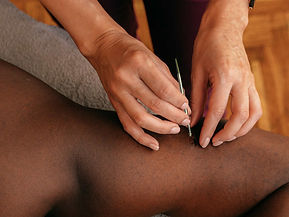
    Teishin Self Treatment on the leg

    Additional Tips:

    • Focus on your intention: Set an intention for healing and balance as you begin your treatment.
    • Trust your intuition: Let your fingers guide you to the areas that need attention.
    • Be gentle: The touch should be light and comfortable, never painful.
    • Consistency is key: Practice this self-treatment regularly to experience lasting benefits.
    • Consult a practitioner: If you have any concerns or questions, seek guidance from a qualified practitioner.

    By practicing this simple self-treatment, you can cultivate a deeper connection to your body and promote the smooth flow of qi along your Stomach meridian. This can lead to improved digestion, increased energy, reduced stress, and a greater sense of well-being.

  • Nine Needles of the Ling Shu: The Essence of Acupuncture

    Nine Needles of the Ling Shu: The Essence of Acupuncture

    I. Origin of the Nine Needles

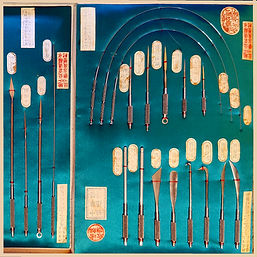
    Nine needles of the Ling Shu

    The Ling Shu (灵枢), one of the two major texts of the Huangdi Neijing (黄帝内经, Yellow Emperor’s Inner Classic), holds a pivotal place in classical Chinese medicine. While the Su Wen (素问), the first book of the Neijing, provides a theoretical foundation encompassing the principles of yin (阴) and yang (阳), the five elements, and the etiology of diseases, the Ling Shu delves into the practical methods of acupuncture. It is in the Ling Shu that we find detailed discussions on the meridian system, the application of needles, and various therapeutic techniques that form the backbone of traditional acupuncture.

    A notable feature of the Ling Shu is its emphasis on the nine needles (九针, Jiu Zhen), which are integral tools in classical acupuncture. These needles represent a sophisticated system of treatment tailored to address various pathological conditions through specific techniques. The differentiation and appropriate use of these needles are crucial for effective clinical outcomes in Ling Shu based acupuncture.

    It is important to recognize that the term “needle,” as used in the Ling Shu, encompasses a broad range of tools that can be categorized into three functional groups: non-insertive needles for rubbing and pressing, needles for draining body fluids such as bloodletting, draining pus, and reducing edema, and needles that resemble modern acupuncture needles. Each needle will be examined regarding its design, intended use, and appropriate techniques for treatment.

    Understanding the nuances of these nine needles is essential for practitioners to ensure the correct application of acupuncture techniques. Using the wrong needle, such as employing the seventh needle (filiform needle) when addressing a condition at the blood level, can result in suboptimal outcomes or even exacerbate the patient’s condition. Therefore, a thorough comprehension of each needle’s specific role and application is imperative for the accurate and effective practice of acupuncture.

    II. Historical Overview

    The nine needles described in the Ling Shu represent a profound understanding of acupuncture tools and techniques in ancient China. The Ling Shu, often translated as the “Spiritual Pivot,” is a foundational text in Chinese medicine, attributed to the legendary Yellow Emperor, Huangdi. The text itself is a dialogue between the Huangdi and his minister Qi Bo, focusing on the practical applications of acupuncture.

    In the opening chapter of the Ling Shu, Qi Bo’s first words emphasize the critical importance of understanding the nine needles. He explains to Huangdi that these needles are fundamental tools in acupuncture, essential for harmonizing the body’s qi and blood, restoring balance to the internal organs, and dispelling diseases. Qi Bo’s dialogue underscores that mastering the use of these nine needles is crucial for any practitioner aiming to achieve effective and precise therapeutic outcomes.

    Origins and Historical Context

    The Ling Shu, along with the Su Wen, forms the Huangdi Neijing, dating back to the Warring States period (475-221 BCE). The acupuncture needles and techniques described in the Ling Shu are very different and more diverse than the needles commonly used today. There was a greater emphasis on balance, harmony, and the flow of qi through meridians, rather than on the point actions and indications commonly used in modern TCM (Traditional Chinese Medicine).

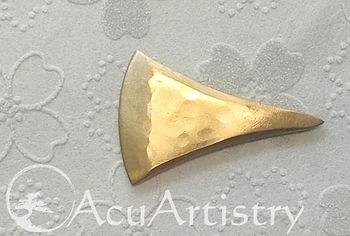
    Zan Shin Acupuncture needle
    Needle 1 The Arrowhead Needle

    In the Ling Shu, Chapter 1 (九针十二原, Nine Needles and Twelve Source Points), it states: “The needles are instruments of the sages. By the use of the needles, the sages harmonized the qi and blood, restored balance to the internal organs, and dispelled diseases” (Ling Shu, Chapter 1). This passage highlights the importance placed on the needles as essential tools for maintaining health and treating ailments.

    The Ling Shu describes nine specific types of needles for particular functions, demonstrating an advanced understanding of therapeutic interventions. The detailed descriptions of the nine needles provide a structured approach to acupuncture. Each needle has a specific technique and use associated with it. The needles are selected based on the location and type of disharmony or pathogenic influence affecting the patient.

    The careful study of the nine needles underscore a fundamental tenet of acupuncture: the importance of selecting the appropriate tool and technique for each specific clinical scenario. The Ling Shu emphasizes that improper use of needles can lead to adverse outcomes, a caution that remains pertinent in modern practice. As stated in Chapter 1: “If one does not adhere to the principles of the nine needles, the disease may not be resolved and can even worsen” (Ling Shu, Chapter 1).

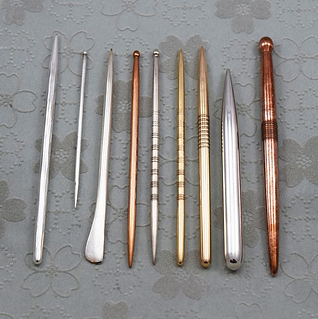
    enshin acupuncture needles for gua sha
    Needle 2 The Round Needle

    The historical context provided by the Ling Shu offers invaluable insights into the development and refinement of acupuncture tools and techniques. Understanding the origins and evolution of the nine needles enhances our ability to apply these ancient practices effectively in contemporary clinical settings. Most modern acupuncturists have not been properly exposed to the nine needles and therefore are limited in their interventions. The Ling Shu offers a wide array of healing tools through the nine needles, and embracing them can enhance patient outcomes.

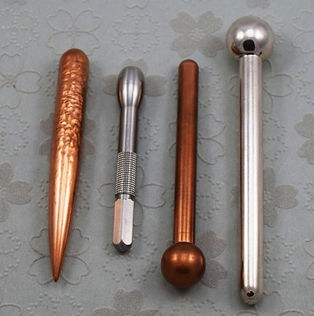
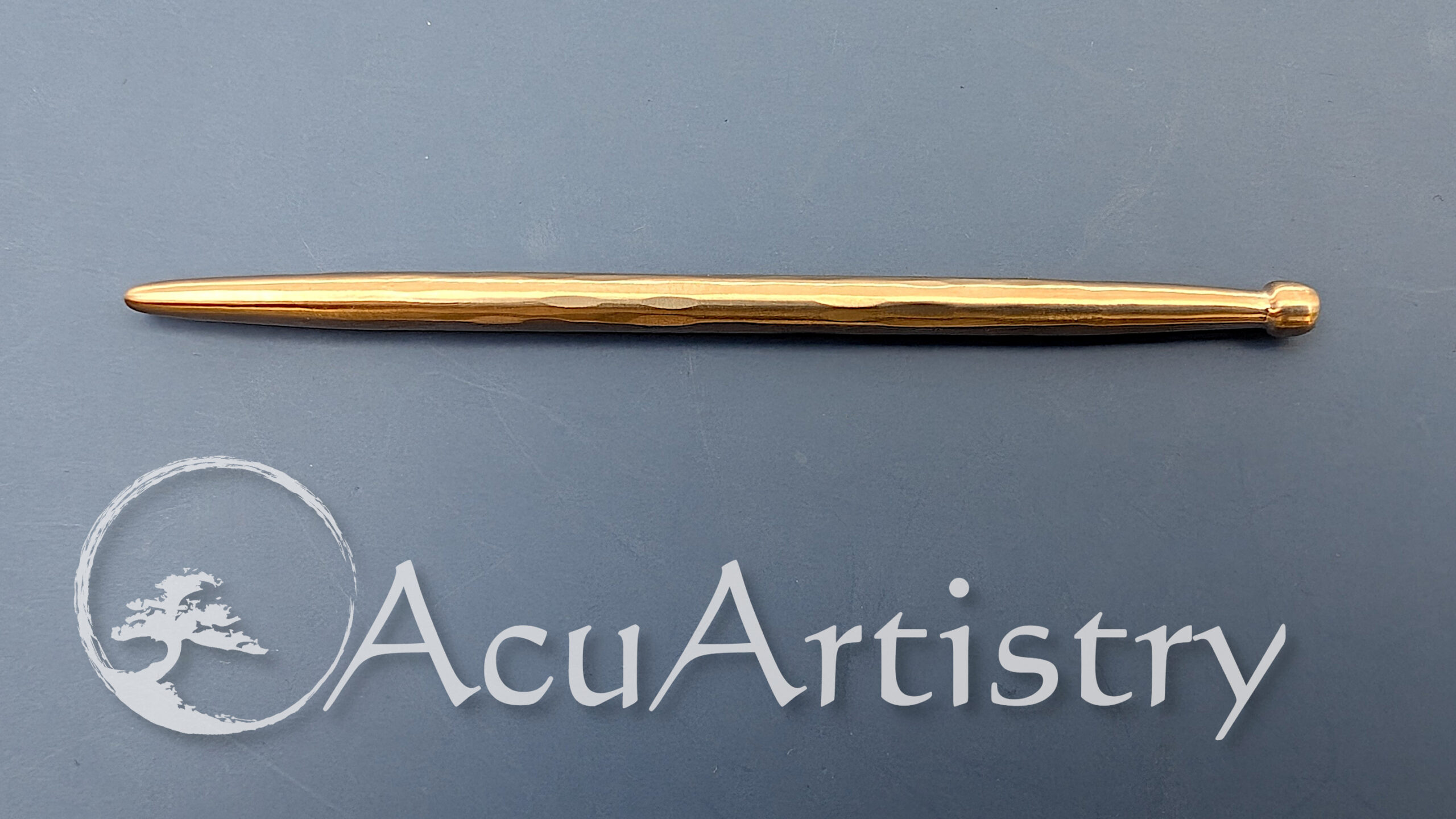
    Gold teishin, silver teishin, copper teishin,
    Needle 3 The Blunt Needle

    III. The Nine Needles: An Overview

    The nine needles, as detailed in the Ling Shu, each have unique shapes, sizes, and intended uses. This classification allows for targeted treatments tailored to address various pathologies and patient conditions. Understanding the categorization and applications of these needles is essential for practitioners aiming to harness the full potential of traditional acupuncture techniques.

    The nine needles, as detailed in the Ling Shu, each have unique shapes, sizes, and intended uses. This classification allows for targeted treatments tailored to address various pathologies and patient conditions. Understanding the categorization and applications of these needles is essential for practitioners aiming to harness the full potential of traditional acupuncture techniques.

    Categorization of the Nine Needles

    To facilitate their application, the nine needles are categorized into three groups based on their functions and techniques:

    1. Needles 1-3 – Non-Insertive or Very Lightly Inserted Needles:
    • These needles are primarily used for treatments, stimulating the skin, muscles and primary channels without insertion.
    • They include the Arrowhead Needle (镵针, Chan Zhen), Round Needle (圆针, Yuan Zhen), and Blunt Needle (鍉针, Di Zhen).
    1. Needles 4-6 for Draining Body Fluids:
    • Designed to address conditions involving excess fluids, such as bloodletting, draining pus, and reducing edema.
    • This category includes the Sharp-Edged Needle (锋针, Feng Zhen), Sword-Shaped Needle (铍针, Pi Zhen), and Round-Sharp Needle (员利针, Yuan Li Zhen).
    1. Needles 7-9 Inserted Needles:
    • These needles are the most similar to those used in contemporary acupuncture practice, intended for deeper insertion and manipulation.
    • The Filiform Needle (毫针, Hao Zhen), Long Needle (长针, Chang Zhen), and Large Needle (大针, Da Zhen) fall into this group.

    Each needle within these categories has specific indications and techniques associated with its use, underscoring the importance of proper selection and application in clinical practice.

    Importance of Categorization

    The categorization of the nine needles in the Ling Shu (灵枢) serves several key purposes in traditional acupuncture:

    • Precision in Treatment: By understanding the unique characteristics of each needle, practitioners can choose the most appropriate tool for the patient’s condition, enhancing treatment efficacy. This principle is supported by Chapter 5 of the Su Wen (素问), which discusses the importance of needle depth and the specific layers of the body that need to be targeted:
    • “The five depths of insertion correspond to the five layers of the body, each layer having its own therapeutic effect. The shallowest insertion treats the skin, the next level treats the flesh, the third level treats the blood vessels, the fourth level treats the tendons, and the deepest insertion treats the bones” (Su Wen, Chapter 5).
    • Safety and Efficacy: Proper needle selection helps prevent adverse effects and ensures that treatments align with the patient’s specific needs. Less invasive interventions should be use when the disease is in its early stages.
    • Therapeutic Versatility: The diverse range of needles allows for a broad spectrum of treatments, from superficial stimulation to deeper, more invasive interventions. This flexibility is crucial for addressing various pathologies and patient conditions effectively.

    The nine needles of the Ling Shu represent a sophisticated system of acupuncture tools, each designed for specific therapeutic applications. By categorizing these needles into three functional groups, practitioners can more effectively harness their unique properties to achieve optimal clinical outcomes.

    The Descriptions of the Nine Needles of the Ling Shu

    The foundational text of acupuncture, the Ling Shu, outlines nine distinct needles, each with unique features and therapeutic applications. Understanding these needles is key for practitioners seeking to provide effective and precise acupuncture treatments.

    Non-Insertive or Lightly Inserted Needles

    These first three needles are designed for superficial treatments, primarily stimulating the skin and muscles without deep penetration.

    1st – The Arrowhead Needle (镵针, Chan Zhen): This needle, with its sharp, pointed tip, is ideal for superficial pricking. It’s often used to release stagnation, stimulate qi flow, and address conditions like heat rashes and localized pain. The technique involves light, quick pricking motions. It treats the most yang levels.

    This needle is commonly used in traditional Japanese medicine as the Zanshin. This variation on the classical needle has added functionality of sweeping strokes to gently stimulate the channels.

    2nd – The Round Needle (圆针, Yuan Zhen): With its rounded, blunt tip, this needle is used for gentle massage and pressure on acupoints and meridians. It’s effective for treating muscle tension, spasms, and areas of qi stagnation. The technique involves pressing and massaging with the rounded tip.

    In traditional Japanese medicine this tool is known as the Enshin and is commonly employed to disperse areas of excess (trigger points) and for rubbing and massage techniques.

    3rd – The Blunt Needle (鍉针, Di Zhen): This needle features a flat, blunt end designed for pressing and spreading qi within muscle tissues without breaking the skin. It’s used to address muscle stiffness, tension, and superficial qi blockages. The technique involves firm pressing to spread qi. It is also use for tonification of the primary channels.

    In traditional Japanese medicine, this is known as the Teishin and is commonly used for contact needling, scattered needle technique, and a whole range of functions. There are Japanese practitioners who no longer use insertive needles and perform treatments using the Teishin as their primary tool.

    Needles for Draining Body Fluids

    The second group of needles is specifically designed for techniques like bloodletting, draining pus, and reducing edema.

    4th – The Sharp-Edged Needle (锋针, Feng Zhen): This needle has a triangular, sharp tip for shallow, precise incisions. It’s used to release small amounts of blood to expel heat and toxins and treat conditions like localized swelling and superficial infections.

    5th – The Sword-Shaped Needle (铍针, Pi Zhen): Featuring a broad, flat blade, this needle is designed for deeper incisions to drain larger amounts of fluids like pus or blood. It’s used for abscesses and deep-seated infections.

    6th – The Round-Sharp Needle (员利针, Yuan Li Zhen): This unique needle has a rounded body with a sharp point, and is shaped like a calligraphy brush. It is used for drain edema and fluids from tissue.

    Needles Similar to Modern Acupuncture Needles

    The final three needles closely resemble those used in contemporary acupuncture.

    7th – The Filiform Needle (毫针, Hao Zhen): This thin, flexible needle is used for deep insertion into acupuncture points and meridians. It’s essential for manipulating qi and blood in deeper layers, treating internal organ disorders, chronic pain, and deep-seated qi stagnation.

    8th – The Long Needle (长针, Chang Zhen): Characterized by its extended length, this needle is used for deep needling in thick muscles and deep tissues. It’s effective for conditions like deep muscle pain, sciatica, and issues affecting deeper body layers.

    9th – The Large Needle (大针, Da Zhen): With its thicker, sturdier body, this needle is designed for robust stimulation and moving large amounts of qi and blood. It’s used for severe pain, large areas of stagnation, and chronic conditions requiring strong stimulation. It is also associated with warm needle techniques.

    The Importance of Correct Needle Selection

    Selecting the right needle is paramount in acupuncture. The Ling Shu emphasizes that using the wrong needle can lead to ineffective treatment or even worsen the patient’s condition. Each needle’s design, purpose, and associated techniques must be thoroughly understood to ensure safe and effective treatments.

    IX. Conclusion

    The nine needles of the Ling Shu represent a sophisticated and nuanced approach to acupuncture, highlighting the depth of traditional Chinese medicine’s understanding of therapeutic tools and techniques. By categorizing these needles into three functional groups— non-insertive, fluid-draining, and modern-style needles—practitioners can achieve precise and tailored treatments for a variety of conditions. By mastering these tools, practitioners can deliver precise, effective, and personalized treatments, honoring the legacy of traditional Chinese medicine while meeting the needs of modern healthcare.


    References

    Unschuld, P. U. (2011). Huang Di Nei Jing Su Wen: Nature, Knowledge, Imagery in an Ancient Chinese Medical Text.

    Unschuld, P. U. (2016) Huang Di Nei Jing Ling Shu: The Ancient Classic on Needle Therapy

    Wu, J (2002) Ling Shu or The Spiritual Pivot

    Cecil-Sterman, A (2018) Advanced Acupuncture, A Clinic Manual

  • Ergonomics for Acupuncturists

    Ergonomics for Acupuncturists

    Introduction

    As acupuncturists, our health, comfort, and longevity in this profession should be a top priority. The more we nurture ourselves, the more we can give to our patients. Creating an ergonomic work environment isn’t just about avoiding discomfort; it’s about sustaining our well-being and ensuring we can deliver the highest quality care throughout our careers. In this article, I will share practical insights and advice on how to set up an ergonomic workspace, choose the right tools, and incorporate daily practices that support our bodies and enhance our professional efficiency. 

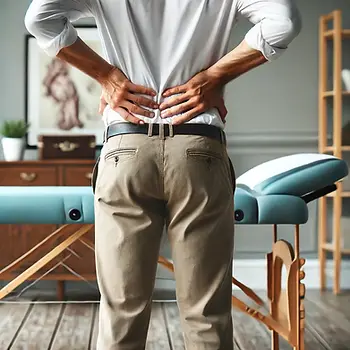
    Acupuncturist with back pain

    We will explore various aspects of establishing an ergonomic work environment specifically tailored for acupuncturists. From workstation setup and lighting to body mechanics during treatments and the selection of specialized tools, each section will provide practical insights and examples. We will delve into the importance of having a consistent and well-organized workspace by understanding how a blind acupuncturist mastered his environment to work with precision. Additionally, we will discuss the benefits of using ergonomically designed tools, and techniques to improve the efficiency of our treatments and better patient outcomes.

    Moreover, maintaining ergonomics in daily practice goes beyond the physical setup of your clinic. It includes regular breaks and exercises to relieve tension. I will share my personal experience with Yi Quan, a system of dynamic standing meditations that not only enhances one physical structure but also deepens the understanding of the meridian system.

    By the end of this article, you’ll have a comprehensive understanding of how to create an ergonomic acupuncture clinic that supports both practitioner well-being and patient care.

    Section 1: Understanding Ergonomics in Acupuncture

    Ergonomics Specific Relevance to Acupuncture

    In the context of acupuncture, ergonomics plays a crucial role. Acupuncturists engage in repetitive movements, prolonged standing or sitting, and precise manual tasks that can lead to musculoskeletal strain and back pain if not performed correctly. The principles of ergonomics can help acupuncturists design their workspaces and workflows to minimize physical stress and enhance efficiency.

    For acupuncturists, an ergonomic setup means arranging the treatment room, tools, and body posture in ways that reduce unnecessary strain. This includes positioning treatment tables at the correct height, ensuring easy access to frequently used tools, and maintaining good posture during treatments. Proper ergonomics can help acupuncturists avoid common issues such as back pain, neck strain, and repetitive motion injuries, which are prevalent in the profession due to the nature of the work.

    What is Ergonomics?

    Ergonomics is the scientific discipline concerned with understanding interactions among humans and other elements of a system. It applies theory, principles, data, and methods to design in order to optimize human well-being and overall system performance. In simpler terms, ergonomics involves designing workspaces, tools, and tasks to fit the user, rather than forcing the user to adapt to the environment. In many ways it is modern feng shui. A harmonious environment will lead to a harmonious practice.

    Section 2: Ergonomic Setup for the Acupuncturist

    Workstation Design

    A well-designed workstation is fundamental to creating an ergonomic environment. The layout of an acupuncturist’s workspace should facilitate ease of movement and access to essential tools and equipment.

    • Table Height and Positioning: Treatment tables should be adjustable in height to accommodate different procedures and practitioner preferences. The table should be positioned to allow the acupuncturist to work comfortably without bending or stretching excessively. Ideally, the practitioner should be able to maintain a neutral posture while treating patients, reducing the risk of back and neck strain. For acupuncturists that do a large amount of body work the table should be at around knuckle high when the practitioner is standing next to the table in a relaxed upright position. This allows the practitioner to use their body weight when practicing bodywork. However, if the practitioner does not do bodywork consider lifting the table higher for more comfort in needling. I recommend testing different table heights to see what works for you. If you have the space, consider investing in an electric lift table. These can be pricey but are a worthwhile investment if you have back issues or frequently change between bodywork and needling. 
    • Seating Arrangements: If you do longer patient intakes, ergonomic chairs are essential for both the practitioner and the patient. For the acupuncturist, a chair with proper lumbar support and adjustable height is crucial. This allows for comfortable seating during treatments that require prolonged sitting. For patients, comfortable seating with adequate support helps them relax during their session, contributing to better outcomes. Make sure patient seating is easy to sit down in and stand up from for physically impaired clients.
    • Tool Accessibility: Tools and supplies, such as needles, moxibustion, gua sha tools, and other treatment accessories, should be organized within easy reach. Using storage solutions like carts or wall-mounted organizers can help keep the workspace tidy and ensure that essential items are always accessible without unnecessary movement.

    Example: The Blind Acupuncturist

    During my training, I had the invaluable experience of studying with a blind acupuncturist. This practitioner had perfected his workspace setup to maximize efficiency and precision. Here are some key insights from that experience:

    • Consistent Setup: Treatments always began with the practitioner standing in the same orientation on the left side of the treatment table, with tools arranged in a specific, consistent manner. This setup allowed him to reach for his needles and moxibustion without needing to see or think about their placement. He explained to me, “When you’re not thinking about your tools, setup, or technique, you can be fully present with your patient.”
    • Efficiency and Precision: This consistency in workspace arrangement demonstrated how an organized and predictable environment could enhance an acupuncturist’s efficiency. By knowing exactly where each tool was located, he could perform treatments quickly and accurately, reducing any potential strain from unnecessary movements or awkward postures. When the workspace gets out of the way, treatments simply flow with the practitioner’s Yi (intention).

    This experience underscores the importance of a consistent and well-organized workspace. Whether or not one has a visual impairment, a predictable setup can significantly enhance ergonomic efficiency and treatment precision.

    Lighting

    Proper lighting is critical in an acupuncture clinic to ensure that both the practitioner and patient are comfortable and safe.

    • Natural vs. Artificial Lighting: Whenever possible, incorporate natural light into the workspace. Natural light can reduce eye strain and create a more pleasant and calming environment. However, natural light should be supplemented with artificial lighting to ensure consistent visibility during all treatment sessions.
    • Adjustable Lighting Options: Adjustable smart bulbs can increase lighting options, allowing the practitioner to control the intensity and color of the light, minimizing shadows and glare that can cause eye strain, and creating a soft and pleasant atmosphere for the patient. These bulbs can be controlled remotely with an app, allowing the practitioner to treat the patient with slightly brighter lighting and shift it to a more relaxed setting while the patient relaxes on the table. When the treatment is over, the lights can be brought up gradually to avoid shocking the patient awake.

    By carefully designing the workstation, maintaining a consistent setup, and ensuring proper lighting, acupuncturists can create an ergonomic environment that enhances their efficiency, reduces physical strain, and improves overall treatment quality. 

    Section 3: Ergonomic Practices During Treatments

    Body Mechanics

    Proper body mechanics are essential for acupuncturists to minimize physical strain and ensure longevity in their practice. By maintaining good posture and using efficient movement techniques, practitioners can avoid common musculoskeletal issues.

    • Standing vs. Sitting: Depending on the procedure, acupuncturists may choose to stand or sit. Each position has its pros and cons:
    • Standing: Standing allows for greater mobility and ease of access to different parts of the treatment table. However, prolonged standing can lead to fatigue and strain on the lower back and legs if done with incorrect posture. To mitigate this, practitioners should shift their weight regularly, use comfortable footwear and practice zhuang zhuang (standing meditation) as self care to train the body for correct structure.
    • Sitting: Sitting can provide stability and reduce fatigue during longer procedures. A well designed treatment stool can help maintain proper posture. When sitting, it is crucial to keep the spine aligned and avoid leaning excessively. Use of a stool with wheels when working on the head and neck for extended periods of time can make for a more relaxed treatment for patient and practitioner alike.

    Patient Positioning

    Proper patient positioning is vital for ensuring both patient comfort and practitioner ergonomics. Techniques for positioning patients should focus on accessibility and ease of treatment while maintaining the patient’s comfort.

    • Comfortable and Accessible Positions: Position patients so that the targeted treatment area is easily accessible without requiring the practitioner to adopt awkward postures. This might involve using pillows, cushions, or adjustable treatment tables to support the patient’s body in a comfortable and ergonomically favorable position. Additionally do not hesitate to walk around the table and change your position to avoid bending or twisting. Your dan tien should line up with your needling and your spine should be erect and relaxed. If you are uncomfortable your patient will feel it.
    • Use of Pillows and Towels: Supportive devices like pillows and rolled up towels can help maintain the patient’s comfort while allowing the practitioner to work efficiently. For example, placing a pillow under the knees when the patient is supine can reduce strain on the lower back for the patient and allow easy access to different parts of the leg for the practitioner. Additionally, a rolled up hand towel can be used to support the patient’s wrist or shoulders.

    Section 4: Ergonomic Equipment and Tools

    The selection and use of ergonomic equipment and tools is crucial for minimizing physical strain and enhancing the efficiency and precision of acupuncture treatments. This section will explore various ergonomic tools and supportive devices that can significantly impact an acupuncturist’s practice.

    Ergonomic Tools and Techniques

    Ergonomically designed tools and techniques can reduce the physical strain associated with acupuncture treatments, ensuring that practitioners can work comfortably and effectively.

    • Needle Handling Technique: The technique used to handle and load needles can affect the ergonomics of an acupuncturist’s practice by minimizing trips away from the patient to get more needles. One technique that enhances both efficiency and sustainability is the Japanese single-handed reload technique using a reusable guide tube.
    • Japanese Single-Handed Reload Technique: This technique involves holding the needles between the pinky and ring finger of the left hand and loading them into a reusable guide tube with the right hand. This method reduces waste by using a single reusable guide tube and makes the needling process more fluid and efficient. A high quality metal guide tube is recommended for ease of use, patient comfort and sustainability.
    • Benefits: The single-handed reload technique, once mastered, allows for smoother and faster needle insertion, reducing the repetitive strain on the practitioner’s hands and wrists. By holding the extra needles securely in the left hand, the practitioner can maintain a steady grip and precise control, enhancing the overall accuracy of needle placement while reducing trips away from the treatment table to get more needles.
    • Mastering the Technique: Although this technique takes time and practice to master, it can transform an acupuncturist’s practice by making the needling process more seamless and less physically demanding. The initial investment in learning this technique is offset by the long-term benefits of improved ergonomic efficiency and reduced waste.
    • Ergonomic Equipment and Tools: Properly designed and organized tools are crucial for minimizing strain and enhancing treatment efficiency. Keep all tools, such as moxa sticks, cupping sets, Gua Sha tools, and topical herbs, within easy reach and consistently organized to prevent breaks in the treatment flow and maintain proper posture while performing techniques. Use ergonomic designs for moxa and Gua Sha tools to reduce wrist and hand strain, and opt for adjustable stands to avoid prolonged holding. Ensure cupping tools fit comfortably in the hand and store all tools and herbs in designated, easily accessible areas. This setup streamlines the treatment process, reduces physical strain, and improves the overall quality of care provided to patients.

    Example: Using the Right Gua Sha Tool

    The choice of tools can make a significant difference in the ergonomics of an acupuncturist’s practice. Gua sha tools, in particular, exemplify the importance of using well-designed equipment.

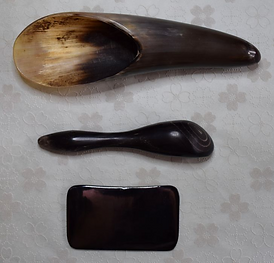
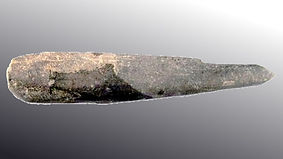
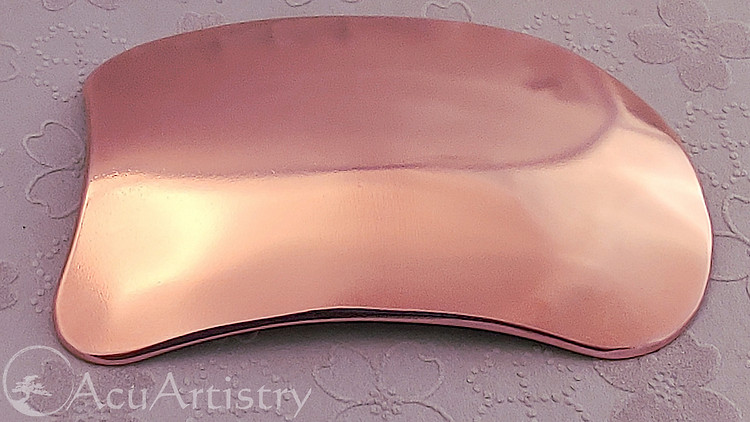
    • Traditional Gua Sha Tools: Traditional Chinese soup spoons are commonly used for gua sha, but they are not ergonomically optimal. Soup spoons lack the balance and design features needed for prolonged use, which can lead to hand and wrist strain while putting pressure on the practitioner’s thumb. After all, they were designed for eating soup. Buffalo horn and stone tools may seem like a good option, but unfortunately they are prone to chipping and can not be adequately sanitized in a clinical setting. This may be ok for home use, but in a professional environment practitioners need something better.
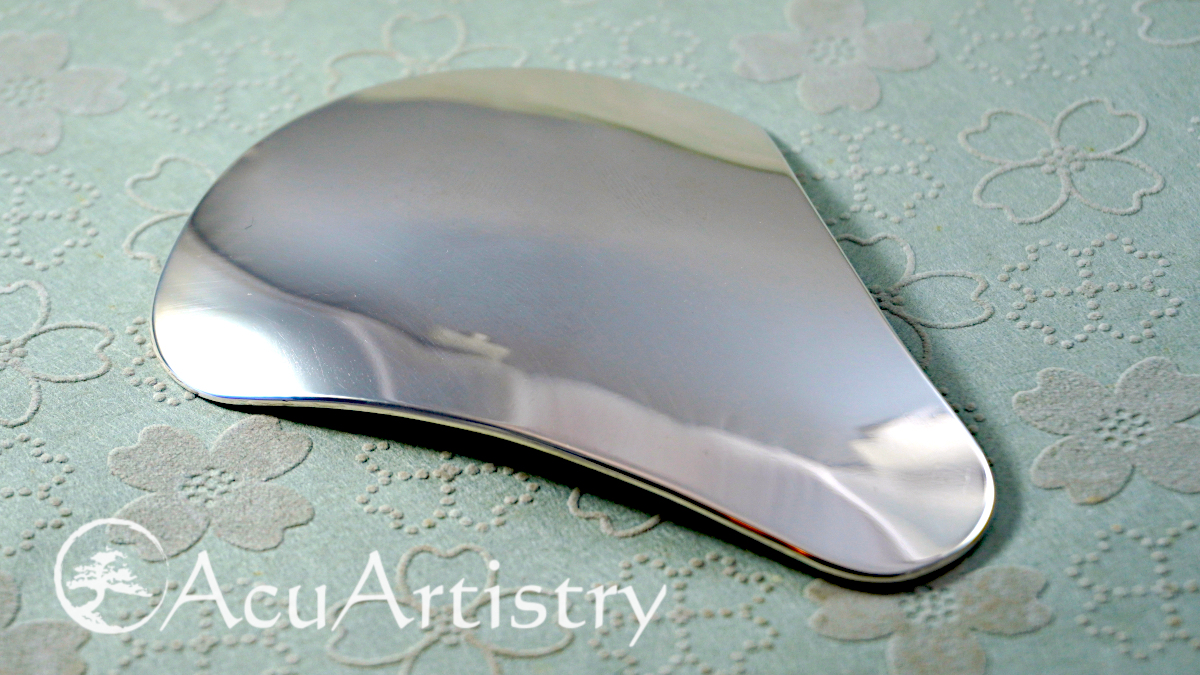
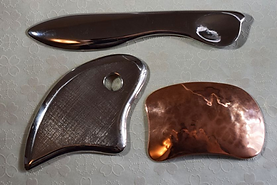
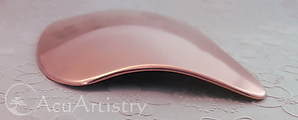
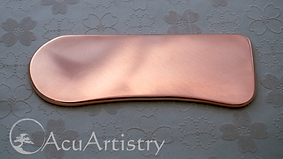
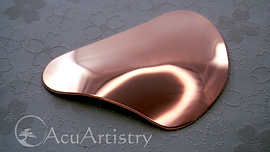
    • Modern Gua Sha Tools: Gua sha tools should be ergonomically designed to enhance comfort and effectiveness. Metal tools with polished edges are comfortable for the patient and can be sanitized effectively. A perfectly balanced gua sha tool will fit comfortably in the hand, reducing the strain associated with repetitive motions. Metal tools with smooth, contoured edges allow for precise control and gentle application of pressure, improving both the practitioner’s and the patient’s experience. They also have the professional look that patients expect from a clinician. 

    Selecting the right tools is a vital component of creating an ergonomic work environment for acupuncturists. By choosing ergonomically designed tools practitioners can enhance their efficiency, reduce physical strain, and improve overall treatment outcomes.

    Gua Sha Tool

    Buy Now

    Section 5: Maintaining Ergonomics in Daily Practice

    Ergonomics is not only about setting up the workspace and choosing the right tools; it also involves adopting daily habits that support physical well-being and efficiency. This section will explore various strategies for maintaining ergonomics in daily practice, including regular breaks, exercises, and routine assessments.

    Regular Breaks

    Taking regular breaks is essential for preventing fatigue and reducing the risk of repetitive strain injuries.

    • Frequency of Breaks: Aim to take a short break between patients if possible. Even a brief pause can help reset your posture and relieve muscle tension.
    • Activities During Breaks: Use breaks to stand up, stretch, walk around, and perform simple exercises. Avoid staying in one position for too long, as this can lead to stiffness and discomfort. 
    • Use Common Tasks to Reset: Use common tasks as reset points throughout your day. For example, handwashing is something we do frequently. Take these moments to clear your mind, massage your hands and forearms and realign your posture. Make it a mental as well as physical cleaning. These brief moments can renew us and clear negative patterns multiple times a day.

    Stretching and Exercises

    Incorporating stretching and exercises into your daily routine can help maintain flexibility and reduce tension.

    • Simple Stretches: Perform stretches that target key areas such as the neck, shoulders, back, and wrists. Examples include neck rolls, shoulder shrugs, and wrist flexor stretches.
    • Dynamic Movements: Integrate dynamic movements that involve the whole body. These can include gentle twists, side bends, and leg stretches. Dynamic movements help keep the body flexible and improve circulation.
    • Choose a Practice You Enjoy: Yoga, Qi Gong, TaiJi Quan and Calisthenics are all great choices to keep yourself in good shape. Choose a discipline you enjoy so that you will do it regularly. 

    Example: My Practice with Yi Quan

    In my own practice, I have found significant benefits in incorporating Yi Quan, a system that includes dynamic standing meditations and mindful moving exercises. This practice not only enhances flexibility and stability but also deepens my understanding of the meridian system, ultimately benefiting my grasp of East Asian Medicine.

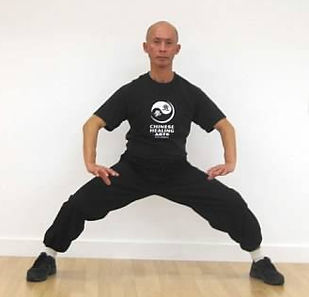
    Sifu Gregory Fong practicing Yi Quan

    Dynamic Standing Meditations: Yi Quan involves standing in various postures that engage and link different parts of the body into functional chains of muscle and fascia. These standing meditations, called zhuang zhuang, promote awareness of body alignment and connection with the meridian system. During standing, the Yi (intention or awareness) is focused on a task, allowing the body to respond without moving. This creates a powerful connection between mind and body while promoting functional alignment and body awareness.

    Benefits: Daily practice of Yi Quan has improved my posture, balance, and overall body mechanics. It literally trains my body to maintain a correct and functional posture. With consistent practice incorrect postures start to feel wrong and are corrected almost instantly without the need for thought. Yi quan helps me to stay centered and connected both physically and mentally during treatments, reducing physical strain and enhancing the quality of care I provide to my patients.

    Routine Assessments

    Regularly assessing and adjusting your workspace and practices is crucial for maintaining ergonomic efficiency.

    • Workspace Evaluation: Periodically evaluate your workspace for any areas that could be improved. This includes checking the height of your treatment table, the positioning of your tools, and the adequacy of your lighting.
    • Self-Assessment: Reflect on your own body mechanics and posture during treatments. Are you experiencing any discomfort or strain? If so, identify the sources and make necessary adjustments.
    • Professional Development: Stay updated on the latest ergonomic practices by attending workshops and courses. Continuous learning can help you integrate new techniques and tools into your practice, further enhancing your ergonomic efficiency.

    By incorporating regular breaks, stretching exercises, dynamic standing meditations like Yi Quan, and routine assessments into your daily practice, you can maintain an ergonomic environment that supports your physical well-being and professional longevity. These habits not only enhance your comfort and efficiency but also improve the quality of care you provide to your patients.

    Conclusion

    Creating and maintaining an ergonomic work environment is essential for the well-being and efficiency of acupuncturists. By understanding and applying ergonomic principles, acupuncturists can significantly reduce physical strain, enhance precision, and improve overall patient care. Now is the time to evaluate your current work environment and make necessary ergonomic adjustments. Whether you are setting up your clinic or looking to improve an existing setup, applying these ergonomic principles can make a significant difference in your practice.

    Resources

    Ergonomic interventions for preventing work‐related musculoskeletal disorders of the upper limb and neck among office workers https://www.ncbi.nlm.nih.gov/pmc/articles/PMC6517177/

    Ergonomic Tools for Acupuncturists at AcuArtistry www.acuartistry.com

    The Mayo Clinic: Mayo Clinic – Ergonomics provides a great overview of ergonomics, including tips for setting up your workstation, taking breaks, and preventing injuries.

    The Occupational Safety and Health Administration (OSHA): OSHA Ergonomics provides resources and guidance on preventing musculoskeletal disorders (MSDs) in the workplace.

  • Qi is Not a Thing in TCM!

    Qi is Not a Thing in TCM!

    The word “Qi” (氣) is everywhere in discussions of wellness, spirituality, and traditional Chinese medicine. But what if the way we commonly think about Qi is fundamentally wrong? What if Qi is not a thing? We often hear Qi described as a mystical energy, a vital life force flowing through our bodies… but that’s not quite accurate. Qi is not a thing!

    Qi: Not a Noun, but a Verb

    The confusion arises when we think of Qi as a noun, as something you can possess or store. In reality, Qi is more like a verb. It’s a way to describe the optimal function of a system. Think of it this way: when talking about a body with “strong Qi”, we’re describing how well its systems work:

    • Wei Qi: Describes the protective functions of the immune system and the body’s ability to resist external pathogens. It doesn’t refer to a quantifiable substance but to the strength and integrity of this system.
    • Yuan Qi: Represents the deep vitality inherited from our parents and maintained through the proper functioning of our organs. We can’t isolate “Yuan Qi” – it’s reflected in energy levels, resilience, and overall health.
    • Zang Fu Qi: Each organ (Zang Fu) has its specific Qi. For instance, Heart Qi relates to the Heart’s ability to circulate blood and house the spirit (Shen). This Qi is not tangible, but its optimal function is critical for both physiological and psycho-emotional health.

    These are descriptors of how systems in the body function, not signs of some magically undetectable substance flowing within. Also note that when the word Qi is used by itself it is vague to the point of being meaningless. We must connect it to the system it is describing (eg., Wei Qi, Yuan Qi, etc.) Simply saying a patient has deficient Qi tells us almost nothing until the type of Qi is defined. 

    Qi is Not a Thing… It’s Like “Digestion”

    Consider the word “digestion.” When I say, “The patient has poor digestion,” I don’t mean there’s a lack of a substance called “digestion.” It’s a descriptor – perhaps the Spleen and Stomach aren’t transforming food properly, the transportation and absorption of nutrients are compromised, or Dampness is obstructing the smooth flow of Qi. From a TCM perspective, we don’t aim to infuse the patient with more “digestion,” but rather address the underlying disharmonies hindering this process.

    Similarly, when we say someone has “weak Qi,” we’re not implying a deficiency of some quantifiable entity. Instead, it’s a shorthand for identifying imbalances or blockages within specific systems in the body. A TCM practitioner’s goal isn’t to directly supplement Qi, but rather to assess the root of the disharmony (whether it’s Qi deficiency, Qi stagnation, Blood stasis, etc.) and employ acupuncture, gua sha, herbal formulas, or other modalities to restore the body’s natural processes and thus its optimal functioning—or, its Qi. Chapter one of The Ling Shu states,”All acupuncture is to tonify what is deficient and reduce what is in excess” it does not mention injecting the body with Qi.

    The Clock: Yin, Yang, and Qi

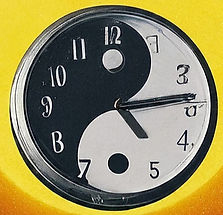
    A perfect example of this concept is a well-designed clock. The gears, hands, and battery are Yin – the physical structure. The ability for the hands to move, the actual energy from the battery is Yang. A clock with good Qi seamlessly fulfills its purpose due to a harmonious design. Let’s consider this through the lens of TCM:

    Yin Yang Clock Gone Wrong
    • Clock with Excess Qi: A clock that runs fast might be described as having excess Yang Qi. This reflects a system where function is overactive and possibly out of sync with its intended rhythm.
    • Clock with Deficient Qi: A clock that runs slow could be seen as a deficiency of Yang Qi, potentially with underlying Yin aspects like Cold or Dampness hindering its function.
    • Broken Clock: A clock that doesn’t tell time at all has lost its fundamental function. Here, we might see a severe blockage or stagnation of Qi, or a significant mismatch between its form (Yin) and ability to function (Yang). When Yin and Yang separate a thing ceases to be. We might say a clock that does not tell time is no longer a clock. It is now a decorative wall hanging.

    Furthermore, a thing is often defined by its function. If we take a broken clock down from the wall and eat off of it, it becomes a plate. While the plate may be poorly designed because its original form (Yin) was intended for a different purpose, its new function redefines its role and relationship within the larger context. Yin and Yang are not mutually exclusive; function and form must be in harmony for optimal Qi.

    Qi, Blood, and TCM

    Qi isn’t a tangible substance, but rather a concept describing optimal function. This is evident in Traditional Chinese Medicine (TCM), where Qi is closely linked to Blood (Xuè). If we chang the way we talk about Qi (Yang) and Blood (Yin) things make a little more sense. 

    • Qi as Force (Qi is the Commander of Blood): Instead of stating Qi propels Blood, it may be more accurate to say that a system with strong Qi experiences healthy blood circulation, preventing stagnation. This rephrasing may seem like semantics but the paradigm shift it evokes is profound.
    • Qi as Containment (Qi Holds Blood): Rather than thinking a substance called Qi is directly keeping Blood in vessels, we should understand that a system with strong Spleen Qi (or in some cases Kidney Qi) maintains Blood within its proper channels. This is a nuanced shift in thinking but an important one.

    Qi and Blood represent a yin-yang pair in TCM. Blood (Xuè) nourishes the physical body (Yin), while Qi represents dynamic functions and processes (Yang). All the blood tests in the world will never find a substance called Qi being carried by the blood. And that’s OK.

    Conclusion: The Power of Qi in TCM

    While the concept of Qi might initially be elusive, its value in TCM is undeniable. By shifting our understanding from “a thing” to “a descriptor of function”, Qi serves as a powerful framework for diagnosis and treatment. It transcends simplistic notions of mystical energies, grounding us in the body’s interconnected systems and natural rhythms. When we understand Qi as a descriptor of function – not a substance – a more nuanced and effective approach to treatment emerges.

    By recognizing that “Qi” encompasses the harmonious interaction of Yin and Yang, the efficient functioning of our organs (Zang Fu), the strength of our defenses, our vitality, and the smooth flow of blood, we gain invaluable insights into the patterns of health and disease. When we perceive Qi as a tapestry of functions rather than a tangible entity, we become adept at identifying the subtle cues that indicate disharmony. As acupuncturists and herbalists we can leverage these ideas to guide our patients toward optimal health through balance. 

    This understanding of Qi as function is not merely a theoretical exercise. It has direct applications in our clinical practice:

    • Precise Diagnosis: We can more easily move from vague descriptions like “weak Qi” to precise TCM concepts (Spleen Qi Deficiency, Liver Qi Stagnation, etc.). This helps us identify the disharmony at the root of the problem, leading to more targeted interventions.
    • Holistic Treatment: Our choice of acupuncture points, herbal prescriptions, and lifestyle recommendations becomes deeply rooted in addressing disharmonies rather than chasing symptoms.
    • Preventative Care: When we understand Qi as function, we can more easily observe subtle imbalances long before they manifest as severe illnesses. This empowers us to support our patients’ innate capacity for health and self-regulation.

    Viewing Qi as a mystical substance gives us no tangible insight into the patient’s condition. Understanding form and function, yin and yang, does. Let’s continue to embrace the true power and potential of Qi as we guide our patients toward lasting well-being.

  • The Science of Teishin Acupuncture: A Needle-Free Approach to Healing

    The Science of Teishin Acupuncture: A Needle-Free Approach to Healing

    In recent years, Teishin based acupuncture has been gaining popularity as a more gentle and needle-free alternative to traditional acupuncture. In reality, the teishin was a primary tool of the acupuncturist in the earliest days of TEAM (Traditional East Asian Medicine). It was first introduced as the third of the nine needles in the Ling Shu Jing (100- 200 BCE) or Spiritual Pivot, which states, “The teishin has a point which is as sharp as a grain of millet. It controls the channels by touch, not penetration, to bring about the qi.” [1] Modern practitioners often include the second of the nine needles, the enshin, when discussing teishin since they are both non-inerted tools. The Ling Shu Jing states, “The enshin has the shape of an egg. It is used for rubbing and messaging, to divide and separate so as not to injure the muscles and the flesh.” [1] The article Teishin – A Brief History takes a deeper look at the teishin’s past.

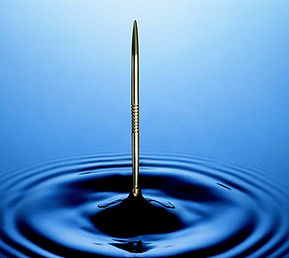
    An acuartistry Teishin acupuncture needle making ripples in water

    The teishin and the enshin are used without insertion, treating the patient by touch, pressing, and rubbing. This approach is particularly well suited for individuals who are apprehensive about the use of needles but can be a powerful tool when applied to all appropriate conditions. In this article, we will dive into the world of teishin-based acupuncture, exploring its potential benefits and delving into the science behind how teishin based acupuncture may work.

    Expanding the Patient Base with a Needle Free Alternative.

    Traditional acupuncture is known for using thin needles inserted at specific points on the body to promote healing. However, for some, the idea of needles can be intimidating. A cross-sectional survey in Canada found that 24% of parents and 63% of children reported a fear of needles. [2] One of the primary advantages of teishin use in acupuncture is its ability to expand the patient base by providing needleless options for those who might otherwise hesitate to receive acupuncture or TEAM treatments. Adding teishin as another tool in the acupuncturist toolbox opens the door for a more diverse range of individuals to experience the benefits of acupuncture therapy.

    The Science of Teishin Based Acupuncture

    Although there has been limited research on teishin based acupuncture specifically, several mechanisms of action may be at work during treatments. Here are some of the key potential mechanisms:

    • The Skin as an Active Interface
    • Increased Circulation to Bolster the Healing Response
    • Focused Healing Intention
    • Manual Pressure Release of Trigger Points

    Teishin and the Skin as an Active Interface

    Central to understanding teishin based acupuncture is recognizing the skin’s pivotal role as an active interface connecting our brain and body with the outside world. Research has found a bidirectional pathway between the brain and the skin known as the brain-skin axis. [3, 4, 5] The skin should be viewed not just as a protective barrier but as a sensory organ intricately connected to the central nervous system. [6] This revelation challenges conventional wisdom, suggesting that the skin’s role goes far beyond what meets the eye.

    The skin is teeming with cutaneous nerves, which have a multitude of roles. They are sensory messengers, regulating blood vessel tone (vasomotor tonus), and controlling the secretory activities of glands. Beyond these vital functions, cutaneous nerves also influence various physiological processes, such as inflammation, proliferation, and tissue repair. [7]

    acuartistry teishin based acupuncture treatment

    Research has illuminated the significant role played by cutaneous nerve innervation and neuromediators in the process of wound healing. [8] This intricate interaction between nerves and signaling molecules is critical for the body’s ability to repair itself. Cutaneous nerve fibers are not randomly distributed but are strategically placed to optimize the healing process, reinforcing their importance in our overall health. [9]

    One of the fundamental mechanisms through which teishin based acupuncture may operate is utilizing the skin as an active interface and mediating the brain-skin axis. By stimulating specific points on the skin’s surface, the teishin may modulate brain functions, which can lead to a wide array of health benefits. This bidirectional communication pathway emphasizes the potential of teishin techniques to influence our well-being profoundly.

    Teishin based acupuncture offers a fresh perspective on an ancient practice, leveraging the intricate network of cutaneous nerves and neuromediators that populate our skin’s surface. By stimulating the skin, this method taps into a pathway that can lead to improved health and well-being. Recognizing the skin as an active interface to the outside world is a crucial aspect of this approach, deepening our understanding of how the teishin can offer a unique path to healing. As research in this field continues to advance, we can anticipate further insights into the incredible potential of this skin-deep approach to wellness.

    Increased Circulation to Bolster the Healing Response:

    Circulation, a fundamental aspect of human health, plays a pivotal role in the body’s ability to heal and thrive. In the context of teishin based acupuncture, the role of circulation takes center stage, offering a unique perspective on how this approach may enhance overall vitality and healing. This section explores the intricate connection between teishin acupuncture and improved circulation and how it contributes to the body’s healing processes.

    Circulation is not merely a mechanical process but a lifeline that ensures the body’s overall well-being. It involves the transport of blood, nutrients, and oxygen throughout the body, which is essential for tissue repair, growth, and maintenance. For wounds and injuries, the role of circulation becomes particularly critical. Efficient circulation directs vital resources to the injured area, promoting the healing process. [10, 11]

    Teishin based acupuncture employs various techniques, each designed to invoke specific responses within the body. Some techniques that are traditionally thought of as tonifying can invoke vasodilation and increase circulation. One such technique, known as “scattered needle,” involves rapid taping over a specific area on the body with the teishin. The skin will often become slightly red and full, showing an increase in localized circulation. This increased circulation can be invaluable for various health benefits, including accelerated wound healing.

    Wound healing is a complex process influenced by several local factors, including circulation. Circulation carries extra nutrients, oxygen, and white blood cells to the injured tissue, creating an optimal environment for tissue repair. However, limited or compromised circulation can significantly delay the healing process, potentially leading to complications. When circulation is improved, more blood, nutrients, and oxygen are directed to the affected areas. This accelerates the healing of wounds and injuries and promotes overall vitality and well-being.

    By stimulating specific points on the skin’s surface, teishin based acupuncture may significantly enhance circulation. Employing techniques like scattered needle, teishin based acupuncture may enhance localized circulation, promoting better blood flow to injury sites and thus expediting the healing process. Understanding the interplay between circulation and Teishin-based acupuncture provides a fascinating glimpse into the multifaceted nature of this approach, showcasing its potential to improve overall health and well-being.

    Teishin and Healing Intention:

    In healing and wellness, the power of intention is a force that has long intrigued both scientists and practitioners. Often, we have marveled at the mysterious and potent phenomenon known as the placebo effect, typically associated with sugar pills and inert treatments. However, as highlighted by Stanford Medicine News, recent research offers a new perspective on the placebo effect. It suggests that the placebo response is not the result of taking a placebo but rather the combination of three key components: the body’s natural ability to heal, the patient’s mindset, and the social context in which healing occurs. [12]

    “The placebo effect is more than positive thinking — believing a treatment or procedure will work. It’s about creating a stronger connection between the brain and body and how they work together,” — Professor Ted Kaptchuk.

    Woman meditating to set a healing intention.

    This fresh understanding of the placebo effect opens the door to the powerful concept that our mindset and intention can significantly impact physical healing. The patient’s expectation of healing, rooted in their mindset, triggers specific brain areas associated with anxiety and pain. This activation, in turn, initiates physiological processes that contribute to healing outcomes. Moreover, this same mindset focused on the negative can lead to adverse effects, known as “nocebo” responses, further underlining the profound influence of the mind on our well-being. [12]

    With its unique focus on stimulating the skin’s surface, teishin based acupuncture provides a promising avenue for exploring the connection between intention and healing. By engaging with patients in a way that emphasizes the importance of intention and a positive mindset, practitioners can harness the power of the mind to enhance the healing process. Some teishin techniques involve holding the teishin at a specific point on the body, creating novel sensations, and invoking a strong mind-body connection. These novel sensations direct the patient’s intention to that area, causing them to hold a focus on healing.

    The emerging research on the power of intention and its influence on physical healing underscores the potential of the teishin as a tool in complementary medicine. By recognizing and nurturing the role of intention in the healing process, teishin based acupuncture opens up a fascinating dimension in the realm of traditional healing practices, offering patients a holistic approach that considers not only the body but also the mind’s influence on well-being and recovery. As we continue to explore this intricate interplay between intention and healing, teishin based acupuncture stands as a promising avenue for improving healthcare and patient outcomes.

    Teishin for Manual Trigger Point Therapy:

    Painful conditions of the musculoskeletal system constitute some of the most important chronic problems encountered in clinical practice. A myofascial trigger point refers to a highly sensitive area, often located within a tense region of skeletal muscle or fascia. When subjected to pressure, it is often tender and is associated with the development of distinctive referred pain, motor impairment, and autonomic responses. One commonly used method to relieve trigger point pain is Manual Pressure Release (MBR), which uses the application of sustained tolerable persistent pressure against the tissue barrier of a trigger point, [13] usually with the practitioners thumb as the tool.

    Using thumbs in trigger point release therapy

    Some styles of teishin based acupuncture use larger blunt variations of the tool known as enteishin or enshin and rely on deep manual pressure to stimulate tender or active points on the body, known as ashi points. While ashi points may be a broader category, they likely encompass trigger points. [14] Additionally, one study found that 71% of standard acupuncture points had a correspondence with trigger points. [15] Thus, using teishin based acupuncture with deep sustained pressure to alleviate tension, pain, and muscle knots can be classified as manual trigger point release.

    A Teishin-based approach to trigger point release offers an additional advantage, particularly beneficial for the practitioner. Among physical therapists and other professionals involved in manual therapy, thumb and hand injuries are prevalent, as reported in various studies. [16, 17] A teishin based approach proves less physically taxing for the practitioner, sparing their thumbs and fingers from the stress and fatigue associated with manual techniques. This observation underscores that teishin based acupuncture not only benefits the patient but also enhances the well-being of the practitioner, offering a more sustainable and comfortable approach to trigger point therapy.

    Technique Matters in Teishin Based Acupuncture:

    One of the advantages of teishin base acupuncture is that it allows practitioners to tailor their approach to the patient’s specific needs. For instance, a practitioner may use a scattered needle technique to address circulation issues. In contrast, pressing techniques with an enshin or enteishin may act as a manual pressure release for trigger points. Stationary listening techniques can be used to drive the healing intention of the patient. As we begin to understand how teishin based treatments work, customizing treatments with the appropriate approach for the individual patient becomes easier. We can choose the proper technique to invoke the response needed in the patient and improve patient outcomes.

    Teishin Research:

    Teishin based acupuncture presents a promising avenue for those seeking the benefits of acupuncture without the use of needles. While research in this field is still in its infancy, the potential mechanisms of action offer intriguing insights into how this technique may yield healing effects. By customizing techniques to emphasize specific mechanisms, practitioners can tailor treatments to each patient’s unique needs, providing a personalized and effective approach to healing.

    Incorporating teishin based acupuncture into the realm of TEAM opens up new possibilities for a broader demographic of patients, ultimately contributing to the diverse and evolving landscape of holistic healthcare.


    References

    1 Wu, J.-N. (2002). Ling shu, or, The spiritual pivot = Ling shu. Taoist Center ; Distributed by University of Hawaii Press.

    2 Taddio, A., Ipp, M., Thivakaran, S., Jamal, A., Parikh, C., Smart, S., Sovran, J., Stephens, D., & Katz, J. (2012). Survey of the prevalence of immunization non-compliance due to needle fears in children and adults. _Vaccine_, _30_(32), 4807-4812. https://doi.org/10.1016/j.vaccine.2012.05.011

    3 https://www.health.harvard.edu/blog/stress-may-be-getting-to-your-skin-but-its-not-a-one-way-street-2021041422334

    4 https://doctorclaudia.com/the-brain-skin-connection

    5 https://www.psychologytoday.com/us/blog/the-brain-body-connection/202106/the-mind-and-skin-connection

    6 Vidal Yucha, S. E., Tamamoto, K. A., & Kaplan, D. L. (2019). The importance of the neuro‐immuno‐cutaneous system on human skin equivalent design. _Cell Proliferation_, _52_(6). https://doi.org/10.1111/cpr.12677

    7 Danny W. Scott DVM, William H. MillerJr. VMD, in [Equine Dermatology (Second Edition)](https://www.sciencedirect.com/book/9781437709209/equine-dermatology), 2011

    8 Laverdet, B., Danigo, A., Girard, D., Magy, L., Demiot, C., & Desmoulière, A. (2015). Skin innervation: important roles during normal and pathological cutaneous repair.

    9 Ashrafi M, Baguneid M, Bayat A. The Role of Neuromediators and Innervation in Cutaneous Wound Healing. Acta Derm Venereol. 2016 Jun 15;96(5):587-94. doi: 10.2340/00015555-2321. PMID: 26676806.
    10 https://woundeducators.com/local-factors-affecting-wound-healing/

    11 https://blog.healogics.com/blog/circulation-affects-wound-healing

    12 https://med.stanford.edu/news/all-news/2017/03/health-care-providers-should-harness-power-of-mindsets.html

    13 Fryer, G., & Hodgson, L. (2005). The effect of manual pressure release on myofascial trigger points in the upper trapezius muscle. _Journal of Bodywork and Movement Therapies_, _9_(4), 248-255. https://doi.org/10.1016/j.jbmt.2005.02.002

    14 Lee, S., Lee, I., & Chae, Y. (2022). Similarities between Ashi acupoints and myofascial trigger points: Exploring the relationship between body surface treatment points. _Frontiers in Neuroscience_, _16_, 947884. https://doi.org/10.3389/fnins.2022.947884

    15 Melzack R, Stillwell DM, Fox EJ. Trigger points and acupuncture points for pain: correlations and implications. Pain. 1977 Feb;3(1):3-23. doi: 10.1016/0304-3959(77)90032-X. PMID: 69288.

    16 Albert, W. J., Currie-Jackson, N., & Duncan, C. A. (2008). A survey of musculoskeletal injuries amongst Canadian massage therapists. _Journal of Bodywork and Movement Therapies_, _12_(1), 86-93. https://doi.org/10.1016/j.jbmt.2007.03.003

    17 Gyer, G., Michael, J., & Inklebarger, J. (2018). Occupational hand injuries: A current review of the prevalence and proposed prevention strategies for physical therapists and similar healthcare professionals. _Journal of Integrative Medicine_, _16_(2), 84-89. https://doi.org/10.1016/j.joim.2018.02.003

  • Eco-Friendly Acupuncture: 9 Steps to a Sustainable Practice

    Eco-Friendly Acupuncture: 9 Steps to a Sustainable Practice

    Healthcare worker holding a globe.

    As an acupuncturist, I am deeply committed to the well-being of my patients and the planet. Acupuncture is a powerful healing modality, and I am grateful to be able to help people live healthier, happier lives. However, I am also aware of the environmental impact of my practice and acupuncture clinics in general. From disposable needles to paper waste, there are many ways in which our practices can be more sustainable. That’s why I am passionate about finding ways to reduce our environmental footprint. I am excited to share nine steps you can incorporate to make your practice more Eco-Friendly. I hope these insights will inspire other acupuncturists to join me in making a difference for the planet.

    Why is sustainability important in Acupuncture?

    Sustainability is important in all industries, but it is crucial in healthcare. After all, our health depends on the health of the planet. When we pollute the environment, we are harming ourselves and future generations. According to the World Health Organization(WHO), “Climate change is the single biggest health threat facing humanity.” Acupuncture clinics may be a small part of the bigger picture, but we can still make a difference. By adopting sustainable practices, we can reduce our environmental impact and contribute to a healthier future for all.

    Eco-Friendly Acupuncture: 9 Steps to a Sustainable Practice

    1. Digitize Administrative Tasks:

    Acupuncture clinics often rely heavily on paperwork for forms, records, and other administrative tasks. Transitioning to Electronic Health Records (EHR) and digital bookkeeping can dramatically reduce paper consumption. Beyond the environmental benefits, this shift enhances clinic organization and eliminates the need for storage space dedicated to paper files, ultimately cutting costs. After all, who wants to pay rent for file cabinets? A paperless clinic not only reduces waste but also operates more efficiently with less clutter.

    2. Table Paper: An Avoidable Waste:

    Women at acupuncture office with cups on her back.

    Another source of waste in acupuncture clinics is disposable table paper. After just a single day of treatment, substantial amounts of table paper are discarded, contributing to environmental burdens. It’s important to note that using table paper does not enhance infection control compared to using disinfectant wipes. Moreover, it can be bothersome for patients, producing crinkly sounds and sticking to their skin after treatment. For exams and sports medicine, consider forgoing table paper completely. To create a more spa-like atmosphere, clinics can create a cozy vibe by opting for washable sheets.

    3. Minimize Acupuncture Needle Waste:

    Acupuncture needles must be sterile and single-use to prevent infections. However, reducing the environmental impact associated with these needles is possible. Instead of using individually packaged needles, clinics can opt for 10-needle multipacks, substantially decreasing packaging waste. The image below highlights the plastic and paper waste difference between ten single packaged needles and a 10-needle multipack. This small change can make a significant environmental impact.

    4. Metal Guide Tubes an Eco-Friendly alternative:

    Comparison of the waste from different acupuncture needle packages. With a reusable guide tube.

    Consider reusable metal guide tubes rather than disposable plastic tubes. Japanese acupuncturists have employed metal guide tubes for centuries due to their numerous advantages, and AcuArtistry makes naturally antimicrobial guide tubes for most major needle brands. Metal guide tubes have rounded edges for a more comfortable patient experience, and their stiffer material allows practitioners to maneuver tendons and veins without causing discomfort. These reusable guide tubes can be easily disinfected or autoclaved between uses, ensuring safety and eco-friendliness.

    5. Eco-Friendly Disinfectants:

    While acupuncture clinics use fewer chemicals for cleaning and sterilization compared to other medical practices, it’s essential to choose environmentally friendly disinfectants that are also effective. Some natural sanitizers may have yet to undergo rigorous testing and may not be effective against all pathogens. To ensure efficacy and environmental responsibility, select disinfectants registered with the U.S. Environmental Protection Agency (EPA). You can find a list of registered products and better understand EPA labeling to ensure your natural disinfection works.

    6. Heat Lamps:
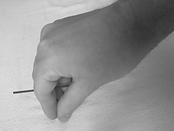
    TDP and heat lamps are commonly used for therapeutic purposes in acupuncture clinics. However, turning off these lamps when they are not in use is vital. Some practitioners habitually turn their heat lamps on in the morning and off when they leave at the end of the day. This means their heat lamp is on all day, needlessly consuming power and reducing the lifespan of expensive equipment—simple actions like turning off equipment when not in use can conserve energy and reduce electricity bills.
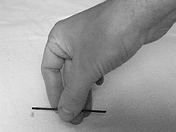
    7. Switch to LED Bulbs:

    Lighting contributes up to 20% of the world’s total energy usage. Replace incandescent bulbs with energy-efficient LED bulbs in your clinic space. LED bulbs have a longer lifespan and consume significantly less energy, making them a sustainable choice. Some LED bulbs even offer the flexibility to adjust the color and temperature of the light, allowing you to create the ideal ambiance for your clinic. You can make them brighter while needling and dimmer when the patient rests. While LED bulbs may have a higher initial cost, they ultimately save both money and the environment over time.

    Light bulb with a plant in it.

    8. Support Small Local Manufacturers:

    Acupuncture clinics often source products, such as needles and herbs, from Asian countries. However, an increasing number of domestic suppliers are entering the market. Choosing locally-made products helps reduce the carbon footprint associated with importing supplies from distant countries. Supporting local manufacturers not only benefits the environment but also contributes to the growth of your local economy.

    9. Patient Education:

    As medical practitioners, we frequently engage in conversations about lifestyle choices as a crucial aspect of our medical practice. This uniquely positions us to guide our patients in understanding the relationship between their environment and their health, as well as how they can make positive changes that benefit their well-being and the environment. By offering small, practical suggestions, we can gradually help our patients transition towards a healthier and more sustainable and lifestyle.

    Acupuncture clinics possess a unique opportunity to harmonize traditional healing practices with modern environmental consciousness. By adopting sustainable strategies and minimizing waste, our healthcare spaces can make a substantial positive impact on the planet while maintaining a commitment to patient well-being. As acupuncture practitioners, let us embrace the holistic principles of balance and harmony not only in our treatments but also in our approach to environmental stewardship. Together, we can ensure a healthier future for our patients and the planet.


    References:

    https://www.who.int/news-room/fact-sheets/detail/climate-change-and-health

    Waters E. End of the roll for examination table paper? Can Fam Physician. 2020 Oct;66(10):748-749. French. PMID: 33077455; PMCID: PMC7571657.

    Manuela Franz & Franz P. Wenzl (2017) Critical review on life cycle inventories and environmental assessments of LED-lamps, Critical Reviews in Environmental Science and Technology, 47:21, 2017-2078, DOI: 10.1080/10643389.2017.1370989

    Chew, I., Kalavally, V., Oo, N. W., & Parkkinen, J. (2016). Design of an energy-saving controller for an intelligent LED lighting system. Energy and Buildings, 120, 1-9. https://doi.org/10.1016/j.enbuild.2016.03.041

    Walker, H., & Preuss, L. (2008). Fostering sustainability through sourcing from small businesses: Public sector perspectives. Journal of Cleaner Production, 16(15), 1600-1609. https://doi.org/10.1016/j.jclepro.2008.04.014

  • Gua Sha vs. Facial Gua Sha: Understanding the Differences

    Gua Sha vs. Facial Gua Sha: Understanding the Differences

    Women giving a gua sha treatment

    It is easy to confuse traditional gua sha done as a medical procedure with facial gua sha used for beautification. This is mainly a problem when reading articles online that do not differentiate between the two. Traditional gua sha is an ancient Chinese healing technique that has been used for centuries to treat muscular issues and internal illness. It involves rubbing a specialized tool over the skin to stimulate circulation and invoke a healing cascade. While traditional gua sha has been used for centuries, facial gua sha has recently become popular for improving skin health and appearance.

    In this article, we will discuss the differences between traditional gua sha and facial gua sha and the benefits of each. You will learn about the key elements of traditional gua sha, facial gua sha, and the differences in technique and tools. This article will give you a better understanding of gua sha so you can avoid the confusion created by two different modalities with the same name and be better able to understand conflicting information you may see online.

    Key Elements of Traditional Gua Sha: A Healing Practice from Neolithic China

    Traditional gua sha is a healing practice that dates back to neolithic China. It is a non-invasive therapy used to treat muscle-skeletal problems and various internal illnesses, often involving the lungs or liver, such as asthma or the common cold, as well as hepatitis or cirrhosis. Gua sha has been used for centuries to help reduce pain, stimulate blood circulation and improve overall health. However, it is gaining popularity in the modern world due to its ability to provide quick relief without the need for medication.

    A key element of traditional gua sha is the expression of a red rash-like response known as sha. In western terms, sha results from the extravasation of cellular material and the reabsorption of metabolic waste into the body and the resulting healing cascade. In eastern terms, sha indicates the release of pathogenic influences from the body known as xie qi (evil qi). Learn about the history of gua sha here.

    Facial Gua Sha: The Latest Trend in Holistic Beauty Treatments

    Woman doing facial gua sha on herself

    Facial Gua sha is very different from its traditional counterpart. With traditional gua sha, the red rash-like discoloration called sha is expected as part of the healing process. However, with facial gua sha, it is to be avoided since facial gua sha is primarily a beautification technique.

    Facial Gua sha has recently grown in popularity because it offers a gentler, more natural way to achieve a youthful, glowing complexion. Unlike its traditional counterpart, facial gua sha does not produce sha. Instead, facial gua sha relies on gentle techniques to stimulate circulation and lymphatic drainage and increase collagen production.

    Technique Differences: Facial Gua Sha vs. Traditional Gua Sha

    Traditional gua sha technique involves firm pressure with a tool held at a steeper angle. This procedure can be utilized with or without lubrication; although the lubricated method is more prevalent in the western world, unlubricated gua sha is common in Asia. This technique can initiate a localized healing cascade, decrease systemic inflammation, break up scar tissue, and improve circulation.

    One of the critical elements of this technique is the production of a rash-like pattern known as sha. Sha serves as a visual cue to practitioners, indicating areas where xie qi has been released from the body and the healing cascade has been initiated. In addition, sha acts as a form of diagnosis, allowing practitioners to analyze treatment progress and asses the underlying cause of the problem being addressed. This helps them better understand and customize treatments and achieve better patient outcomes. Learn more about gua sha as diagnoses here.

    The techniques in facial gua sha are designed to provide gentle but effective exfoliation and massage of the face. Using the tool at a shallower angle with light but even pressure helps stimulate blood flow and lymphatic circulation, reduce muscle tension, and improve skin tone by increasing collagen production. To ensure optimal results, it’s essential to use a high-quality lubricant for the treatment. Balms and serums designed to moisturize and add to skin health are the best choices for this technique.

    It is also important to note that some contraindications that apply to traditional gua sha are less of a concern with facial gua sha. For example, because traditional gua sha creates sha, it is contraindicated for patients on blood thinners and should not be used over acne. However, with facial gua sha, the technique is gentle enough that blood thinners should not be an issue, and it can be used to reduce acne. Of course, you should seek advice from your healthcare professional to determine if either type of gua sha is right for you.

    Gua sha treatment on a women's back.

    Gua Sha Tools: Facial vs. Traditional

    Facial gua sha tools are often lighter and slightly smaller than traditional gua sha tools, making them easy to use on delicate facial skin. However, despite their smaller size, they should still be large enough to be comfortably held in the hand so that users can get the most out of their experience. To ensure optimal results, facial gua sha tools should be designed in a way that is aesthetically pleasing, functional, and easy to use. The contours of a facial gua sha tool should hug the curves of the face as opposed to a traditional gua sha tool primarily designed for the contours of the back, arms, and legs. In addition, these tools should be made from materials that are comfortable on the skin while providing a pleasant massage sensation. Metal tools are a good choice since the edges can be brought to a high polish.

    A copper gua sha tool being used on a women's face.

    Maintaining a clean facial gua sha tool is essential for preserving healthy skin. An insufficiently cleaned gua sha tool can contribute to clogged pores and worsen skin conditions. Metal tools such as copper and steel have nonporous surfaces that will not crack or degrade over time, unlike stone or porcelain. In addition, copper is a naturally antimicrobial material that can help protect against bacteria and viruses, making it the ideal choice for a facial gua sha tool. Not only does copper have this added benefit, but when made correctly, it provides a smooth and gentle surface that glides over the skin without causing irritation or damage.

    Traditional gua sha tools are usually slightly heavier and larger to allow for firmer pressure, as with facial gua sha tools, the edges should be smooth polished metal. Traditionally gua sha tools were often improvised with items found around the house, such as Chinese soup spoons or dishes. After all, this was largely folk medicine used in the home. However, porcelain and stone tools can chip or develop microfractures over time. These small fissures are a great place for bacteria to hide. However, modern purpose-built tools made from metal instead of stone or porcelain have several advantages. They can be sanitized more effectively, created in more ergonomic shapes, and are much more durable. In addition, gua sha tools made from copper are naturally antimicrobial. One can get away with using stone or porcelain tools for traditional gua sha for a single person in a home setting, but for a clinician who is using the same tool on multiple patients, metal provides the safest and easiest surface for sanitizing.

    Choosing the Right Gua Sha Technique for Your Needs

    Gua sha is an ancient Chinese healing technique that has been used for centuries to treat internal illnesses and muscle issues. Traditional gua sha is a non-invasive therapy that uses firm pressure and produces a red rash-like discoloration called sha, an essential part of the healing process. Facial gua sha, on the other hand, is a relatively new practice primarily used for beautification and improving skin health. It is a gentler technique that does not produce sha. Both traditional and facial gua sha can be beneficial, but it’s essential to understand the differences between them since they are different modalities with different purposes.

  • The History of Gua Sha: Ancient Origins to Modern Medicine

    The History of Gua Sha: Ancient Origins to Modern Medicine

    Tracing the Ancient Origins of Gua Sha

    Bian Stone from neolithic China for gua sha
    Bian Stone from neolithic China

    Gua sha is a traditional East Asian medical treatment that has been used for centuries to relieve pain, improve circulation, and boost immune function. It involves the use of a smooth-edged tool, such as a coin or jade stone, to apply firm pressure and scrape the skin. The practice has a long and rich history dating back to ancient China, and it has been used in various forms in other East Asian countries such as Japan, Korea, and Vietnam. In this article, we will explore the history of gua sha and its modern variants.

    Scraping therapies are one of East Asia’s oldest forms of medicine. Gua Sha, in China, dates back 5,000 years, [1] and likely has its origins in the neolithic period with the use of bian stones. Bian stones were made from various materials to scrape, rub or incise body parts for a therapeutic effect. The earliest such tool was discovered in neolithic ruins in Inner Mongolia, and two other bian stones were found in a neolithic grave in Shangdong Province, China. [3] The earliest written record of bian stones in a medical text was in Chapter 12 of the Huang Di Na Jing Su Wan (Warring States period 475 BC- 221 BC). It states:

    “Most of the local people there are black in skin and loose in striae, and their diseases are the carbuncle kind. It is suitable to treat the disease with stone therapy, so the stone therapy is transmitted from the east.” [4]

    Quan Yuanqi, a sixth-century commentator on the Su Wen, pointed out that “bian” was a tool for external treatment and that there were three types of stone needles corresponding to the illness being treated. [5,6] These were the Zhen Stone(needle stone), “Bian stone”(pointed stone), and Chan stone(chisel stone).

    The first three of the nine needles described in the Su Wen’s sister text, the Ling Shu, were not inserted into the body, and the Ling Shu mentions rubbing and scraping therapies in its discussions of the nine needles. Scholars such as Jeffery Yuan and Ann Cecil-Sterman especially equate the third of the nine needles with gua sha. [7,8] The second and third of the nine needles are described in the following passages:

    enshin acupuncture needles for gua sha
    Modern versions of the EnShin

    Second of the nine needles Enshin:

    “(Ch. 1) The round needle has the shape of an egg. It is used for rubbing and messaging, to divide and separate so as not to injure the muscles and the flesh. (Ch. 7) When the disease is located at the divisions between the flesh, treat using the round needle. (Ch. 78) Two is the earth. Man’s flesh resonates with the earth. Thus, to effect a cure the needle must be straight with a round tip. Do this without penetrating the divisions of the flesh, or the qi will be exhausted. The second is called the round needle. It is patterned after those needles for working cotton. Its body is tubular, and its tip is like an egg. The length is 1.6 cun(38.4mm). It controls and cures the qi which is between the flesh.” [9]

    Gold teishin, silver teishin, copper teishin,
    Modern versions of the TeiShin

    Third of the nine needles Teishin:

    “(Ch. 1) The spoon needle has a point which is as sharp as a grain of millet. It controls the channels by touch, not penetration, so as to bring about the qi. (Ch. 7) when the disease is in the channels, and the qi is sparse, tonify at that point. Treat by using the spoon needle at the well, spring, stream and river shu points. (Ch. 78) Three is man. Man becomes alive through blood channels. Therefore, to effect a cure, the needle must be large with a round tip. Use it to massage the channels without penetrating so that it can reach the qi and cause the evil qi to go uniquely. The third is called the spoon needle. Its patterned is a tip like a grain of millet. The length is 3.5 cun(84mm). It controls by massaging the channels and by grasping the qi. This causes the evil to flow out.” [9]

    These passages show that early Chinese medical practitioners used tools to scrap and rub the body to achieve therapeutic effects. Of course, the shape of the tools and techniques used have evolved since these 2500-year-old passages were written, but it is easy to see the origins of the gua sha in both theory and practice from these ancient texts.

    A later reference to scraping therapy is presented in Effective Formulas Handed Down for Generations, written in 1337 AD by Wei Yi Lin. He writes:

    “With wet hemp, scrape the surface of the neck, elbow, knee, and wrist until there is miliary cutaneous bleeding. Cover the body with thick clothes and quilts. Then, administer orally a little rice porridge or decoction of Chinese green onion and fermented soybean or fresh Chinese onion tea. After sweating, the illness will be healed. This is an effective method of loosening and relaxing the skin.”

    This passage describes scraping therapy in conjunction with herbal medicine to induce sweating and relax the muscles to heal illness. Wei Yi Lin also gives a cursory description of sha when he describes miliary bleeding.

    Other references to gua sha in formal medical writing are only prevalent in modern times. While it may have fallen out of favor in the establishment, likely giving way to acupuncture and herbal medicine, it became a common folk remedy throughout East Asia. It is not uncommon in parts of modern Asia for a mother to treat her child with gua sha. If a child gets a cold or fever, the mother may go to the cabinet and find the porcelain dish or spoon with a smooth edge and use it as a gua sha tool. The idea of the improvised medical device in folk medicine has been carried into modern practices. TCM schools often teach gua sha using a Chinese soup spoon, and some physical therapists began using metal spoons before the development of specifically designed tools that are now in common use.

    Understanding the Meaning and Significance of Gua Sha (刮痧) in Traditional Chinese Medicine

    In China, it is known as gua sha or to “scrape away disease,” in Vietnam, it is known as Cạo Gió or “to scrape wind.” In Indonesian, it is called Kerikan or “scraping technique,” A modern derivative of gua sha that focuses solely on muscular-skeletal-related issues is IASTM or Instrument Assisted Soft Tissue Mobilization. Another popular modern derivative of gau sha is facial gua sha which is mainly used for cosmetic purposes.

    Woman giving a Gua Sha treatment.

    As is often the case with older Chinese terminology, studying the written language can offer insight into deeper meanings behind the words used to express an idea. 刮痧 Gua sha is made up of several components. 刮 Gua means to scrape or shave, but it can also mean to blow, as in the wind. Wind is considered one of the six pathogenic influences that cause external disease in TCM (Traditional Chinese Medicine), and the double meaning in this character is likely intentional. 痧Sha is made up of 沙 Sha, which means sand, and 疒 Chuang is radical for sickness. When combined, they create 痧Sha, which refers to acute disease. In the Chinese written language, context is essential to grasp the meaning of words. In the case of sha, depending on the combined character, its meaning may change; for example, FengSha is measles, FaSha is heat stroke, HongSha is scarlet fever, TiSha is Cholera and ShaZhang is “acute filthy disease.” By this translation, we read 刮痧 Gua Sha as “to scrape away disease.” This translation may also imply that wind as a pathogen is an aspect of the disease being treated. In TCM, wind is said to be the bringer of 1,000 illnesses and is one of the six Xie Qi (evil qi) or pathogenic influences.

    The term sha has several meanings for the clinician. Sha can refer to the erythema and petechiae that are sometimes formed during scraping. The look can be similar to that of a cholera rash. The color, tactical quality, the time it takes to fade, and how quickly, or even if, the sha forms are all diagnostic. [1,2]⁠⁠ (see Gua Sha as Diagnosis) Sha can also refer to the sand-like vibratory sensation that is felt through the tool or by palpation while the procedure is performed. Clinicians can use this tactile feedback diagnostically to understand where the pathogenic influence is most potent. In TCM, sha is a visual expression of the release of latent pathogenic influences from the cou li. In biomedical terms, it is generally viewed as a localized histamine response or targeted inflammation. See Gua Sha: An Essential Diagnostic Tool for Traditional Chinese Medicine Practitioners for more information.

    Different Types of Gua Sha Tools from History

    Gua Sha Tools tools come in a wide variety of materials, shapes, and sizes. However, they must have a smooth edge that will not break the skin during use. [10,11,12] Materials include stone, jade, horn, bone, ceramics, metal, and even plastic. Some materials are used for their energetic properties, while others are selected for their durability or capacity to be disinfected.

    Three traditional gua sha tools made from buffalo horn
    Gua Sha tools made from buffalo horn.

    Traditional materials are generally chosen for their availability or their energetic properties. For example, in Vietnam and Cambodia, smooth-edged coins are readily available and used quite frequently. In Chinese households, ceramic dishes or soup spoons were easily accessible and commonly used for gua sha.

    Traditional practitioners often consider the energetic property of materials as the law of signatures widely used principle in TCM practices. For example, buffalo horn is thought to be a very yang material, jade is representative of longevity, silver is considered reducing, and copper has an affinity to the blood level.

    modern gua sha tools and IASTM made from steel and copper.
    Modern metal gua sha tools.
    Handmade Copper Gua Sha Tool by AcuArtistry.
    Handmade Copper Gua Sha Tool

    Modern considerations in a professional practice may be slightly different from traditional ones. Metal gua sha tools are favored by many current practitioners because they are durable and easy to disinfect between patients. Ridged metal tools have the added benefit of providing vibratory feedback during use, giving the practitioner instant diagnostic information while the changes occur in the patient. This real-time feedback helps the practitioner to work efficiently as it tells them what areas are tight, where adhesions may be, and when those areas have been sufficiently treated.13,14⁠ Dr. Arya Nielsen advocates using baby food jar lids as single-use tools. These inexpensive disposable tools subvert the need to disinfect tools between patients when treating large numbers of people in a hospital setting.10,12,15 Modern tools are often designed with specific curvatures to conform with different body parts and provide the patient with a much higher level of comfort during treatments than traditional tools.

    Exploring the Resurgence of Gua Sha in Modern Medicine

    In the last few decades, Zhang Xiuqin and Hao Wanshan published the book Holographic Meridian Scraping Therapy and a series of videos in Chinese and English.3⁠ This book is one of the most comprehensive books on Chinese scraping therapies ever written and gives a systematic approach to treatment along with six basic scraping methods. Its publication helped stoke a resurgence of gua sha in the Chinese medical establishment. Scraping therapy is currently used in clinical settings and hospitals as well as self-care and family medicine in China17⁠ for treating everything ranging from respiratory illness and muscle-skeletal issues to hepatitis.

    Coining, a traditional form of gua sha has played a significant role in helping Cambodians cope with the PTSD that followed the fall of Phnom Penh in April 1975 and the reign of terror under the Khmer Rouge.16 While the horrors of this period have been well-documented, it is crucial to recognize the ongoing impact on the mental health of those who experienced it firsthand. Gua sha has offered therapy and solace for those seeking to heal from past trauma and move forward.

    In 1980, it was discovered that a significant number of Vietnamese people were hesitant to seek medical care from American practitioners due to concerns about being wrongly accused of child abuse.17 Traditional forms of healing, such as coining or gua sha, often leave marks on the skin that could be misinterpreted as signs of abuse. This issue highlights the importance of cultural competency and sensitivity in the medical field, as well as the need to address and overcome biases and misunderstandings to provide the best possible care to all patients.

    Examining the Similarities and Differences between Instrument Assisted Soft Tissue Mobilization (IASTM) and Gua Sha

    Copper IASTM tool made by AcuArtistry.
    Copper IASTM Tool

    Western medical practitioners, such as physical therapists and osteopathic doctors, have begun to use one aspect of gua sha to treat musculoskeletal disorders. This modern practice is generally referred to as Instrument Assisted Soft Tissue Mobilization (IASTM), a form of manual therapy. The techniques used in IASTM are almost identical to those used in gua sha, but the language used to describe the actions are put into modern medical terminology.

    IASTM and gua sha are so similar that in recent years, some have criticized IASTM as a form of cultural appropriation. Gua sha has a long history in Chinese medicine and is an important aspect of traditional East Asian medical practices. It can be argued that IASTM is simply the rebranding of gua sha by Western practitioners and appropriates this cultural practice without acknowledging or respecting its origins and cultural significance. While a medical procedure must be explained in ways the patients receiving them understand, it is important to recognize and respect the cultural roots of this ancient medical practice.

    Tools used for IASTM are usually made from surgical steel or other metals, are genraly heavier and have a broader edge than traditional gua sha tools. This change in design allows practitioners to press harder and work longer without damaging the skin. The main goal of ISTAM is to break down fascial adhesions and muscle fibers to increase function. Unlike traditional gua sha, IASTM practitioners do not treat internal diseases and only focus on musculoskeletal disorders. This specialization has made IASTM a popular treatment among sports medicine providers.

    Understanding the Origins of Facial Gua Sha

    Facial gua sha is rooted in traditional Chinese gua sha but, in its modern form, is likely a merger of conventional Chinese medicine techniques and Japanese skincare regimes. It involves the use of tools to massage the skin and stimulate circulation. While traditional gua sha is used to treat illness and musculoskeletal conditions, facial gua sha is focused on cosmetics and skin health.

    Woman using facial gua sha.

    In recent years, there has been a proliferation of purpose-built tools designed explicitly for facial gua sha, which are often similar to those used in traditional gua sha. These tools are usually slightly smaller and lighter than their traditional counterparts but have essentially the same design. For the most part, facial gua sha tools can be used interchangeably with traditional gua sha tools.

    Handmade copper facial gua sha tool by AcuArtsity.
    Handmade Facial Gua Sha Tool

    The techniques used in facial gua sha are generally much lighter and gentler than those used in traditional gua sha, as the goal is not to produce the characteristic sha (redness) that is typically seen after traditional gua sha. Instead, the techniques used in facial gua sha are designed to improve circulation, stimulate collagen production, and help reduce wrinkles, all with the aim of achieving a more youthful and radiant complexion.

    A Cultural Perspective on the Evolution of East Asian Scraping Therapies

    Gua sha and other East Asian scraping therapies have a long and rich history dating back thousands of years. Gua sha has existed in the official medical establishment and as a popular folk remedy. It continues to evolve into modern modalities such as facial gua sha and IASTM. While progress and evolution in medicine can help to make modalities like gua sha more accessible to a broader population, it is essential to remember and acknowledge the cultural origins of these therapies as they become more widely adopted and continue to benefit people worldwide.


    References

    1. Xiuqin Z, Wanshan, Hao. Holographic Meridian Scraping Therapy. Beijing: Foreign Languages Press; 2000.

    2. Nielsen A. Gua sha Traditional medicine for pain , inflammation and immune support. 2012;412(August 28):1.

    3. Cheng X, Zheng Q, Xie Z. Chinese Acupuncture and Moxibustion. 3rd ed. (Cheng X, Zheng Q, Xie Z, eds.). Beijing: Foreign Languages Press; 2009.

    4. Bing W, Wu NL, Wu AQ. Yellow Emperor’s canon internal medicine. China Science and Technology Press; 1997.

    5. Kan-Wen M. Acupuncture: Its Place in the History of Chinese Medicine. Acupunct Med. 2000;18(2):88-99.

    6. Unschuld PU. Huang Di Nei Jing Su Wen: Nature, Knowledge, Imagery in an Ancient Chinese Medical Text. Berkeley and Los Angeles, California: University of California Press; 2003.

    7. Cecil-Sterman A. Advanced Acupuncture: A Clinical Manual. Ann Cecil-Sterman, PLLC; 2013.

    8. Yuen JC, Howard S. Light on the Essence of Chinese Medicine- The Nei Jing. Continuing Education Department, New England School of Acupuncture; 2001.

    9. Wu J-N. Ling shu, or, The spiritual pivot = Ling shu. Washington, D.C.; Honolulu, Hawaii: Taoist Center; Distributed by University of Hawaii Press; 2002.

    10 Nielsen A. Gua Sha: A Traditional Technique for Modern Practice. Oxford: Churchill Livingstone; 2012.

    11. Nielsen A. Gua Sha: A Clinical Overview. 2004.

    12. Nielsen A. The Crisis is the Cure. Sites J 20Th Century Contemp French Stud. 1996;(50):5-11.

    13. Tools and methods for performing soft tissue massage. August 1994. https://patents.google.com/patent/US5441478A/en. Accessed June 18, 2018.

    14. Cheatham SW, Lee M, Cain M, Baker R. The efficacy of instrument assisted soft tissue mobilization: a systematic review. J Can Chiropr Assoc. 2016;60(3):200-211.

    15. Nielsen A, Kligler B, Koll BS. Safety protocols for Gua sha (press-stroking) and Baguan (cupping). Complement Ther Med. 2012;20(5):340-344. doi:10.1016/j.ctim.2012.05.004

    16.Van Schaack, Beth and Reicherter, Daryn and Chhang, Youk, Cambodia’s Hidden Scars: Trauma Psychology in the Wake of the Khmer Rouge (2011). Stanford Public Law Working Paper No. 2758130, Available at SSRN: https://ssrn.com/abstract=2758130 or http://dx.doi.org/10.2139/ssrn.2758130

    17. Addressing a lack of culturally sensitive healthcare for Cambodian and Vietnamese communities in O.C.” Los Angeles Times. 24 September 2020.

  • Basic Direct Moxibustion Technique; Okyu

    Basic Direct Moxibustion Technique; Okyu

    Moxibustion is an ancient Chinese medical technique that involves the burning of mugwort, a type of herb, to facilitate healing. This traditional method has been used for thousands of years to treat a wide range of conditions and is an effective technique for restoring balance to the body. In this tutorial, we will introduce the basics okyu or rice grain moxibustion technique.

    Becoming proficient with rice grain moxibustion is not difficult, but it does require consistent practice. If you follow the basic form and pay close attention to which fingers are used, you will be a moxa pro in no time!

    This guide is meant to supplement formal training under a qualified teacher and is meant for educational purposes only.

    Left Hand Technique

    Moxibustion rolling technique holding the floss

    1. A loose ball of moxa floss is held very gently in the palm of the hand using the middle, ring, and little fingers to stabilize it.

    Moxibustion rolling technique, rolling the floss

    2. The thumb is used to separate a small segment of moxa floss

    from the ball by pressing the nail against the index finger.

    Moxibustion rolling technique, making the rice

    3. The thumb and index finger are used to roll the moxa floss into a desired size and density.

    4. The right hand removes the moxa cone and places it on the patient (see right hand technique).

    5. Repeat step 3 until the segment is used up

    6. Repeat step 2 to create new segments

    Right Hand Technique

    Moxibustion technique placing the floss

    1. A moxa cone is placed on the point using the tip of the index finger and thumb.

    2. Touch the tip of the middle finger to the skin next to the moxa

    cone.

    Moxibustion rolling technique, lighting the floss

    3. Hold the incense parallel to the skin. Do not point the tip downward.

    4. Using the index finger and the thumb, roll the incense down

    until the tip lights the moxa cone.

    Moxibustion rolling technique, removing the floss

    5. Roll the incense back up after the cone is lit. If the incense is lifted straight up, rather than rolling it, the moxa may stick to the tip of the incense.

    6. Place the edge of the ring finger and thumb next to the moxa cone to control the amount of oxygen it is exposed to. Bring the fingers closer together to slow the burn and decrease heat. Widen the gap to speed up the burn and increase heat.

    7. Bring the ring finger and thumb together to remove the cone. It is not always necessary to burn the moxa cone to the skin. 80% burn is very common.

    8. Repeat until the desired result is achieved.

    Note: The Right Hand Technique is described slightly differently in the written form than in the video. It is recommended that new practitioners pick one method and stick with it until proficient. My preference is for the video.

    Controlling The Heat in Rice Grain Moxibustion

    The heat of a burning moxa cone is controlled by three factors, size, density, and oxygenation.

    The size and number of cones used to treat the patient will vary along with the desired

    therapeutic effect. In general, larger cones will burn hotter, and smaller cones will burn cooler.

    Cones that are rolled tightly will burn hotter, and cones that are burned loosely will burn cooler. Cones exposed to more oxygen will burn hotter, and cones with restricted oxygen flow will burn cooler. A skilled practitioner can use these principles to control the heat and achieve the desired therapeutic effect.

    Basic Direct Moxibustion Technique Dose Guide

    TypeDensitySizeHeatDose
    Tonifying AcuPointLoosely rolledSesame to rice grain sizedGentle Warming​Until area is warm or light red
    Reducing AcuPointTightly rolledVery Thin, ½ rice grain or sesame sizedHot Slight sting1-3 Cones
    Warming Area EffectMedium densityBean or Dime sizedGentle warmingUntil area is warm or light red
    Cooling Area Effect​Medium density​Bean or Dime sized​Gentle warmingInduce Localized Sweating
    Scarring AcuPointTightly RolledRice sized​Hot Can be PainfulUntil a blister is raised. May be repeated in follow up treatments.