Category: Gua Sha

  • The Science of Gua Sha: Understanding Its Biomedical Mechanisms

    The Science of Gua Sha: Understanding Its Biomedical Mechanisms

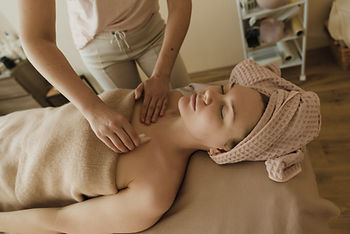
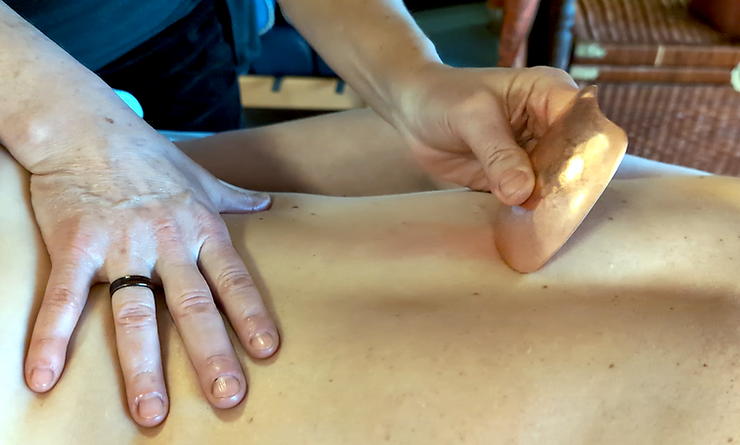
    Hands perform a massage with a copper tool on a person's back in a calm indoor setting. Warm tones and a relaxed atmosphere prevail.

    Science of Gua Sha

    For those of us using gua sha in clinical practice, its effectiveness in relieving pain, improving circulation, and restoring mobility is well established. However, understanding why it works can refine our techniques and enhance treatment outcomes. Modern research is shedding light on the physiological mechanisms behind gua sha’s effects, bridging traditional practice with contemporary biomedical science. This article explores how gua sha initiates a healing cascade, upregulates heme oxygenase-1 (HO-1) to modulate inflammation, influences biotensegrity by addressing fascial restrictions, and releases myofascial trigger points to restore neuromuscular balance. Whether you’re an experienced practitioner or exploring gua sha’s potential, these insights will deepen your understanding and improve clinical application.

    1. Inducing a Directed Healing Cascade

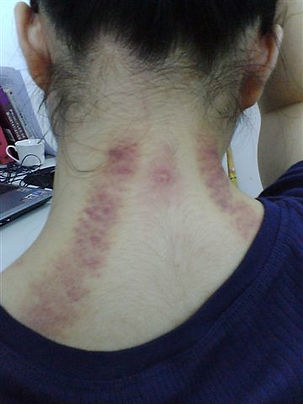
    Gua sha works by applying controlled mechanical pressure to the skin, producing a therapeutic microtrauma that initiates a localized inflammatory response. This process is visible as petechiae or sha, appearing as red or purple discoloration on the skin. While this may seem counterintuitive, controlled inflammation is a crucial step in tissue healing.

    Upon activation, the inflammatory cascade increases local circulation, bringing immune cells such as macrophages to the affected area. These macrophages remove damaged tissue while signaling fibroblasts and other reparative cells to initiate tissue regeneration.[1] In cases of chronic injury, where the healing process may have stalled, gua sha helps to refocus and restart repair mechanisms. This explains why gua sha is often used to alleviate pain and improve tissue recovery in musculoskeletal conditions.

    In clinical application, techniques that emphasize invoking the healing cascade can be directed locally, at the site of chronic a injury, reinvigorating a healing response that may have gone dormant. However, localized gua sha should be avoided in areas of acute injury or active inflammation, as it may exacerbate the condition.

    2. The Anti-Inflammatory Role of Heme Oxygenase-1 (HO-1)

    One of the most compelling findings in biomedical research is the upregulation of heme oxygenase-1 (HO-1) following gua sha treatment. HO-1 is an antioxidative enzyme that plays a crucial role in reducing systemic inflammation and oxidative stress. Increased HO-1 has been linked to various physiological benefits, including:
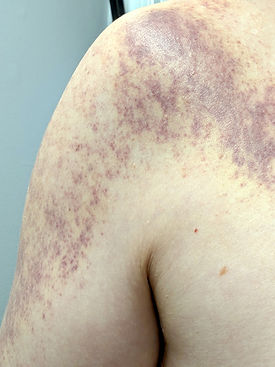
    Sha marks from gua sha on shoulder showing extensive purple and reddish discoloration on light skin. Background is a neutral indoor setting.
    • Reduction in oxidative damage – HO-1 helps neutralize free radicals, preventing cellular damage and mitigating chronic inflammation.
    • Liver health support – Research suggests that HO-1 inhibits the replication of hepatitis B and C viruses and reduces liver inflammation by downregulating pro-inflammatory cytokines. This may explain why gua sha has traditionally been used for liver disorders, including fatty liver disease and hepatitis.[6]
    • Pulmonary protection – Gua sha has long been used for respiratory conditions such as asthma and emphysema. Given that oxidative stress contributes to many pulmonary diseases, HO-1 upregulation may enhance lung resilience against oxidative damage.[7]

    Although further research is needed to fully understand the systemic effects of HO-1 upregulation, this enzyme clearly plays a pivotal role in gua sha’s broad therapeutic benefits.[2-5]

    In practice, techniques that upregulate HO-1 can be used distally for injury treatment and when a systemic anti-inflammatory response is desired. When appropriately applied, these techniques may also support pulmonary conditions, as well as liver health. Notably, the production of sha can serve as an observable marker for clinicians, indicating that HO-1 is being upregulated, since controlled trauma is a precursor to its production.

    3. Gua Sha for Biotensegrity and Myofascial Release

    From a biomechanical perspective, gua sha influences the tensegrity-based anatomy of the body. The concept of tensegrity, first introduced by architect Buckminster Fuller and later applied to human anatomy by Dr. Stephen Levin, describes how biological structures rely on balanced tension rather than rigid frameworks for stability.[8-10]

    In the human body, bones are not simply stacked upon each other; rather, they “float” within a continuous myofascial network that maintains structural integrity. Fascia, muscles, tendons, and ligaments all contribute to this dynamic system, ensuring that forces are evenly distributed.

    When fascial restrictions occur—whether due to injury, poor posture, or repetitive stress—imbalances in the tensegrity system lead to dysfunction and pain. For example:

    • A tight iliotibial (IT) band can pull on the lateral aspect of the knee, altering joint mechanics and leading to pain or instability.
    • Restrictions in the upper back and neck fascia can contribute to tension headaches and reduced mobility.

    Gua sha acts as a form of myofascial release, breaking up adhesions and restoring natural tension within the body’s tensegrity matrix. By releasing fascial restrictions, gua sha promotes optimal movement, reduces pain, and enhances musculoskeletal function.

    In practice, applying gua sha at key anatomical convergence points—such as the sacroiliac region, pes anserinus, or areas where myofascial layers intersect—can help balance structural integrity even in distant regions of the body. It is essential to treat the body holistically rather than focusing solely on symptomatic areas, as the whole is greater than the sum of its parts.
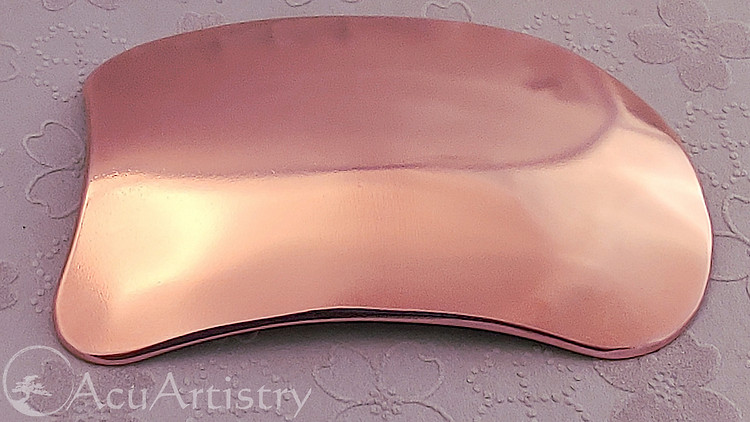
    4. Gua Sha for Trigger Point Release and Neuromuscular Rebalancing

    Another key mechanism of gua sha is its ability to release myofascial trigger points—hyperirritable nodules within taut bands of skeletal muscle. These trigger points, commonly referred to as “knots,” can cause localized pain, referred pain, and muscular dysfunction. [11-13}

    Trigger points form due to muscle overuse, direct trauma, or chronic stress, leading to neuromuscular dysfunction characterized by:

    • Reduced blood flow, causing metabolic waste accumulation and tissue hypoxia.
    • Sustained muscle contraction, leading to pain, stiffness, and restricted range of motion.
    • Referred pain patterns, where discomfort is felt in areas distant from the actual trigger point.

    Gua sha effectively disrupts this cycle by applying focused pressure and mechanical shear forces to the affected area, resulting in:

    • Increased microcirculation, which flushes out metabolic waste and brings in fresh oxygenated blood.
    • Inhibition of excessive nerve firing, reducing pain and muscular hyperactivity.
    • Restoration of neuromuscular balance, allowing muscles to relax and function optimally.

    This mechanism makes gua sha particularly effective for conditions such as:

    • Myofascial pain syndrome
    • Tension headaches
    • Temporomandibular joint (TMJ) dysfunction
    • Chronic neck and shoulder pain

    When using gua sha for trigger point release, focused and precise press-scraping techniques should be applied to the area. This method breaks down affected tissue while increasing circulation, aiding in the regeneration of muscle and fascial structures.

    Conclusion

    Traditional therapies like gua sha should not be dismissed as mere historical practices; rather, they deserve deeper exploration through modern scientific methods to refine their clinical applications. While gua sha has been used for centuries based on empirical results, contemporary research is now uncovering the physiological mechanisms that drive its effectiveness. By integrating traditional wisdom with biomedical understanding, we can enhance the clinical efficacy of gua sha and expand its therapeutic potential.

    The same principles that have guided gua sha’s use for generations, but explained through traditional terminology are now being explained through mechanisms such as the initiation of a directed healing cascade, upregulation of heme oxygenase-1 (HO-1) for anti-inflammatory effects, restoration of biotensegrity through fascial release, and deactivation of myofascial trigger points to rebalance neuromuscular function. Rather than replacing tradition, modern research validates and refines these time-tested practices, allowing us to apply them with greater specificity and effectiveness.Gua sha exemplifies how traditional practices can evolve and integrate seamlessly into modern healthcare.


    References

    1. Sinno H, Prakash S. Complements and the Wound Healing Cascade: An Updated Review. Plast Surg Int. 2013;2013:1–7. pmid:23984063

    2. Kwong KK, Kloetzer L, Wong KK, et al. Bioluminescence imaging of heme oxygenase-1 upregulation in the Gua Sha procedure. J Vis Exp. 2009;(30). doi:10.3791/1385

    3. Lauche R, Wübbeling K, Lüdtke R, et al. Randomized Controlled Pilot Study: Pain Intensity and Pressure Pain Thresholds in Patients with Neck and Low Back Pain Before and After Traditional East Asian "Gua Sha" Therapy. Am J Chin Med. 2012;40(05):905-917. doi:10.1142/S0192415X1250067X

    4. Chan S, Yuen JWM, Gohel M-DI, Chung C, Wong H, Kwong KK. Guasha-induced hepatoprotection in chronic active hepatitis B: A case study. Clin Chim Acta. 2011;412(17-18):1686-1688. doi:10.1016/J.CCA.2011.05.009

    5. Nielsen A. The Science of Gua Sha. Complement Ther Med. 2012;155:1-7.

    6. Sass G, Barikbin R, Tiegs G. The Multiple Functions of Heme Oxygenase-1 in the Liver. Z Gastroenterol. 2012;50(01):34-40. doi:10.1055/s-0031-1282046

    7. Choi AM, Alam J. Heme oxygenase-1: function, regulation, and implication of a novel stress-inducible protein in oxidant-induced lung injury. Am J Respir Cell Mol Biol. 1996;15(1):9-19. doi:10.1165/ajrcmb.15.1.8679227

    8.. Levin S. Oxford Textbook of Musculoskeletal Medicine; Chapter 16. Tensegrity, The New Biomechanics. Oxford University Press; 2015.

    9. Ingber DE. Cellular tensegrity: defining new rules of biological design that govern the cytoskeleton. J Cell Sci. 1993;104:613-627.

    10. Levin SM. Biotensegrity-The Mechanics of Fascia What Puts the Spring in Your Step? View project Biotensegrity View project. 2012. doi:10.1016/B978-0-7020-3425-1.00054-4

    11. Stow R. Instrument-Assisted Soft Tissue Mobilization. Mokha M, ed. Int J Athl Ther Train. 2011;16(3):5-8. doi:10.1123/ijatt.16.3.5

    12. Dawn T. Gulick, “Instrument-assisted soft tissue mobilization increases myofascial trigger point pain threshold,” Journal of Bodywork and Movement Therapies 22, no. 2 (2018): 341-345, https://doi.org/10.1016/j.jbmt.2017.10.012.

    13. Haytham M. El-hafez, Hend A. Hamdy, Mary K. Takla, Salah Eldin B. Ahmed, Ahmed F. Genedy, and Al Shaymaa S. Abd EL-Azeim, “Instrument-assisted soft tissue mobilisation versus stripping massage for upper trapezius myofascial trigger points,” Journal of Taibah University Medical Sciences 15, no. 2 (2020): 87-93, https://doi.org/10.1016/j.jtumed.2020.01.006.
  • Nine Needles of the Ling Shu: The Essence of Acupuncture

    Nine Needles of the Ling Shu: The Essence of Acupuncture

    I. Origin of the Nine Needles

    Nine needles of the Ling Shu

    The Ling Shu (灵枢), one of the two major texts of the Huangdi Neijing (黄帝内经, Yellow Emperor’s Inner Classic), holds a pivotal place in classical Chinese medicine. While the Su Wen (素问), the first book of the Neijing, provides a theoretical foundation encompassing the principles of yin (阴) and yang (阳), the five elements, and the etiology of diseases, the Ling Shu delves into the practical methods of acupuncture. It is in the Ling Shu that we find detailed discussions on the meridian system, the application of needles, and various therapeutic techniques that form the backbone of traditional acupuncture.

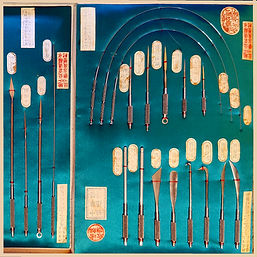
    A notable feature of the Ling Shu is its emphasis on the nine needles (九针, Jiu Zhen), which are integral tools in classical acupuncture. These needles represent a sophisticated system of treatment tailored to address various pathological conditions through specific techniques. The differentiation and appropriate use of these needles are crucial for effective clinical outcomes in Ling Shu based acupuncture.

    It is important to recognize that the term “needle,” as used in the Ling Shu, encompasses a broad range of tools that can be categorized into three functional groups: non-insertive needles for rubbing and pressing, needles for draining body fluids such as bloodletting, draining pus, and reducing edema, and needles that resemble modern acupuncture needles. Each needle will be examined regarding its design, intended use, and appropriate techniques for treatment.

    Understanding the nuances of these nine needles is essential for practitioners to ensure the correct application of acupuncture techniques. Using the wrong needle, such as employing the seventh needle (filiform needle) when addressing a condition at the blood level, can result in suboptimal outcomes or even exacerbate the patient’s condition. Therefore, a thorough comprehension of each needle’s specific role and application is imperative for the accurate and effective practice of acupuncture.

    II. Historical Overview

    The nine needles described in the Ling Shu represent a profound understanding of acupuncture tools and techniques in ancient China. The Ling Shu, often translated as the “Spiritual Pivot,” is a foundational text in Chinese medicine, attributed to the legendary Yellow Emperor, Huangdi. The text itself is a dialogue between the Huangdi and his minister Qi Bo, focusing on the practical applications of acupuncture.

    In the opening chapter of the Ling Shu, Qi Bo’s first words emphasize the critical importance of understanding the nine needles. He explains to Huangdi that these needles are fundamental tools in acupuncture, essential for harmonizing the body’s qi and blood, restoring balance to the internal organs, and dispelling diseases. Qi Bo’s dialogue underscores that mastering the use of these nine needles is crucial for any practitioner aiming to achieve effective and precise therapeutic outcomes.

    Origins and Historical Context

    The Ling Shu, along with the Su Wen, forms the Huangdi Neijing, dating back to the Warring States period (475-221 BCE). The acupuncture needles and techniques described in the Ling Shu are very different and more diverse than the needles commonly used today. There was a greater emphasis on balance, harmony, and the flow of qi through meridians, rather than on the point actions and indications commonly used in modern TCM (Traditional Chinese Medicine).

    Zan Shin Acupuncture needle
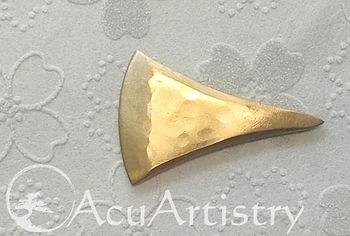
    Needle 1 The Arrowhead Needle

    In the Ling Shu, Chapter 1 (九针十二原, Nine Needles and Twelve Source Points), it states: “The needles are instruments of the sages. By the use of the needles, the sages harmonized the qi and blood, restored balance to the internal organs, and dispelled diseases” (Ling Shu, Chapter 1). This passage highlights the importance placed on the needles as essential tools for maintaining health and treating ailments.

    The Ling Shu describes nine specific types of needles for particular functions, demonstrating an advanced understanding of therapeutic interventions. The detailed descriptions of the nine needles provide a structured approach to acupuncture. Each needle has a specific technique and use associated with it. The needles are selected based on the location and type of disharmony or pathogenic influence affecting the patient.

    The careful study of the nine needles underscore a fundamental tenet of acupuncture: the importance of selecting the appropriate tool and technique for each specific clinical scenario. The Ling Shu emphasizes that improper use of needles can lead to adverse outcomes, a caution that remains pertinent in modern practice. As stated in Chapter 1: “If one does not adhere to the principles of the nine needles, the disease may not be resolved and can even worsen” (Ling Shu, Chapter 1).

    enshin acupuncture needles for gua sha
    Needle 2 The Round Needle

    The historical context provided by the Ling Shu offers invaluable insights into the development and refinement of acupuncture tools and techniques. Understanding the origins and evolution of the nine needles enhances our ability to apply these ancient practices effectively in contemporary clinical settings. Most modern acupuncturists have not been properly exposed to the nine needles and therefore are limited in their interventions. The Ling Shu offers a wide array of healing tools through the nine needles, and embracing them can enhance patient outcomes.

    Gold teishin, silver teishin, copper teishin,
    Needle 3 The Blunt Needle

    III. The Nine Needles: An Overview

    The nine needles, as detailed in the Ling Shu, each have unique shapes, sizes, and intended uses. This classification allows for targeted treatments tailored to address various pathologies and patient conditions. Understanding the categorization and applications of these needles is essential for practitioners aiming to harness the full potential of traditional acupuncture techniques.

    The nine needles, as detailed in the Ling Shu, each have unique shapes, sizes, and intended uses. This classification allows for targeted treatments tailored to address various pathologies and patient conditions. Understanding the categorization and applications of these needles is essential for practitioners aiming to harness the full potential of traditional acupuncture techniques.

    Categorization of the Nine Needles

    To facilitate their application, the nine needles are categorized into three groups based on their functions and techniques:

    1. Needles 1-3 – Non-Insertive or Very Lightly Inserted Needles:
    • These needles are primarily used for treatments, stimulating the skin, muscles and primary channels without insertion.
    • They include the Arrowhead Needle (镵针, Chan Zhen), Round Needle (圆针, Yuan Zhen), and Blunt Needle (鍉针, Di Zhen).
    1. Needles 4-6 for Draining Body Fluids:
    • Designed to address conditions involving excess fluids, such as bloodletting, draining pus, and reducing edema.
    • This category includes the Sharp-Edged Needle (锋针, Feng Zhen), Sword-Shaped Needle (铍针, Pi Zhen), and Round-Sharp Needle (员利针, Yuan Li Zhen).
    1. Needles 7-9 Inserted Needles:
    • These needles are the most similar to those used in contemporary acupuncture practice, intended for deeper insertion and manipulation.
    • The Filiform Needle (毫针, Hao Zhen), Long Needle (长针, Chang Zhen), and Large Needle (大针, Da Zhen) fall into this group.

    Each needle within these categories has specific indications and techniques associated with its use, underscoring the importance of proper selection and application in clinical practice.

    Importance of Categorization

    The categorization of the nine needles in the Ling Shu (灵枢) serves several key purposes in traditional acupuncture:

    • Precision in Treatment: By understanding the unique characteristics of each needle, practitioners can choose the most appropriate tool for the patient’s condition, enhancing treatment efficacy. This principle is supported by Chapter 5 of the Su Wen (素问), which discusses the importance of needle depth and the specific layers of the body that need to be targeted:
    • “The five depths of insertion correspond to the five layers of the body, each layer having its own therapeutic effect. The shallowest insertion treats the skin, the next level treats the flesh, the third level treats the blood vessels, the fourth level treats the tendons, and the deepest insertion treats the bones” (Su Wen, Chapter 5).
    • Safety and Efficacy: Proper needle selection helps prevent adverse effects and ensures that treatments align with the patient’s specific needs. Less invasive interventions should be use when the disease is in its early stages.
    • Therapeutic Versatility: The diverse range of needles allows for a broad spectrum of treatments, from superficial stimulation to deeper, more invasive interventions. This flexibility is crucial for addressing various pathologies and patient conditions effectively.

    The nine needles of the Ling Shu represent a sophisticated system of acupuncture tools, each designed for specific therapeutic applications. By categorizing these needles into three functional groups, practitioners can more effectively harness their unique properties to achieve optimal clinical outcomes.

    The Descriptions of the Nine Needles of the Ling Shu

    The foundational text of acupuncture, the Ling Shu, outlines nine distinct needles, each with unique features and therapeutic applications. Understanding these needles is key for practitioners seeking to provide effective and precise acupuncture treatments.

    Non-Insertive or Lightly Inserted Needles

    These first three needles are designed for superficial treatments, primarily stimulating the skin and muscles without deep penetration.

    1st – The Arrowhead Needle (镵针, Chan Zhen): This needle, with its sharp, pointed tip, is ideal for superficial pricking. It’s often used to release stagnation, stimulate qi flow, and address conditions like heat rashes and localized pain. The technique involves light, quick pricking motions. It treats the most yang levels.

    This needle is commonly used in traditional Japanese medicine as the Zanshin. This variation on the classical needle has added functionality of sweeping strokes to gently stimulate the channels.

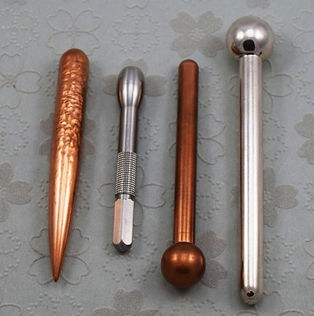
    2nd – The Round Needle (圆针, Yuan Zhen): With its rounded, blunt tip, this needle is used for gentle massage and pressure on acupoints and meridians. It’s effective for treating muscle tension, spasms, and areas of qi stagnation. The technique involves pressing and massaging with the rounded tip.

    In traditional Japanese medicine this tool is known as the Enshin and is commonly employed to disperse areas of excess (trigger points) and for rubbing and massage techniques.

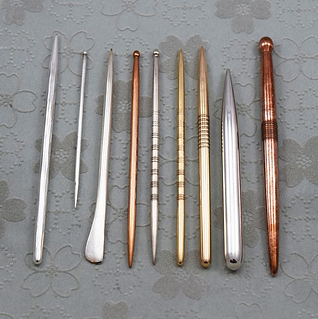
    3rd – The Blunt Needle (鍉针, Di Zhen): This needle features a flat, blunt end designed for pressing and spreading qi within muscle tissues without breaking the skin. It’s used to address muscle stiffness, tension, and superficial qi blockages. The technique involves firm pressing to spread qi. It is also use for tonification of the primary channels.

    In traditional Japanese medicine, this is known as the Teishin and is commonly used for contact needling, scattered needle technique, and a whole range of functions. There are Japanese practitioners who no longer use insertive needles and perform treatments using the Teishin as their primary tool.

    Needles for Draining Body Fluids

    The second group of needles is specifically designed for techniques like bloodletting, draining pus, and reducing edema.

    4th – The Sharp-Edged Needle (锋针, Feng Zhen): This needle has a triangular, sharp tip for shallow, precise incisions. It’s used to release small amounts of blood to expel heat and toxins and treat conditions like localized swelling and superficial infections.

    5th – The Sword-Shaped Needle (铍针, Pi Zhen): Featuring a broad, flat blade, this needle is designed for deeper incisions to drain larger amounts of fluids like pus or blood. It’s used for abscesses and deep-seated infections.

    6th – The Round-Sharp Needle (员利针, Yuan Li Zhen): This unique needle has a rounded body with a sharp point, and is shaped like a calligraphy brush. It is used for drain edema and fluids from tissue.

    Needles Similar to Modern Acupuncture Needles

    The final three needles closely resemble those used in contemporary acupuncture.

    7th – The Filiform Needle (毫针, Hao Zhen): This thin, flexible needle is used for deep insertion into acupuncture points and meridians. It’s essential for manipulating qi and blood in deeper layers, treating internal organ disorders, chronic pain, and deep-seated qi stagnation.

    8th – The Long Needle (长针, Chang Zhen): Characterized by its extended length, this needle is used for deep needling in thick muscles and deep tissues. It’s effective for conditions like deep muscle pain, sciatica, and issues affecting deeper body layers.

    9th – The Large Needle (大针, Da Zhen): With its thicker, sturdier body, this needle is designed for robust stimulation and moving large amounts of qi and blood. It’s used for severe pain, large areas of stagnation, and chronic conditions requiring strong stimulation. It is also associated with warm needle techniques.

    The Importance of Correct Needle Selection

    Selecting the right needle is paramount in acupuncture. The Ling Shu emphasizes that using the wrong needle can lead to ineffective treatment or even worsen the patient’s condition. Each needle’s design, purpose, and associated techniques must be thoroughly understood to ensure safe and effective treatments.

    IX. Conclusion

    The nine needles of the Ling Shu represent a sophisticated and nuanced approach to acupuncture, highlighting the depth of traditional Chinese medicine’s understanding of therapeutic tools and techniques. By categorizing these needles into three functional groups— non-insertive, fluid-draining, and modern-style needles—practitioners can achieve precise and tailored treatments for a variety of conditions. By mastering these tools, practitioners can deliver precise, effective, and personalized treatments, honoring the legacy of traditional Chinese medicine while meeting the needs of modern healthcare.


    References

    Unschuld, P. U. (2011). Huang Di Nei Jing Su Wen: Nature, Knowledge, Imagery in an Ancient Chinese Medical Text.

    Unschuld, P. U. (2016) Huang Di Nei Jing Ling Shu: The Ancient Classic on Needle Therapy

    Wu, J (2002) Ling Shu or The Spiritual Pivot

    Cecil-Sterman, A (2018) Advanced Acupuncture, A Clinic Manual

  • Gua Sha vs. Facial Gua Sha: Understanding the Differences

    Gua Sha vs. Facial Gua Sha: Understanding the Differences

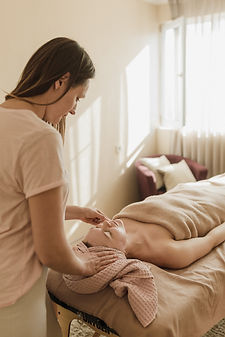
    Women giving a gua sha treatment

    It is easy to confuse traditional gua sha done as a medical procedure with facial gua sha used for beautification. This is mainly a problem when reading articles online that do not differentiate between the two. Traditional gua sha is an ancient Chinese healing technique that has been used for centuries to treat muscular issues and internal illness. It involves rubbing a specialized tool over the skin to stimulate circulation and invoke a healing cascade. While traditional gua sha has been used for centuries, facial gua sha has recently become popular for improving skin health and appearance.

    In this article, we will discuss the differences between traditional gua sha and facial gua sha and the benefits of each. You will learn about the key elements of traditional gua sha, facial gua sha, and the differences in technique and tools. This article will give you a better understanding of gua sha so you can avoid the confusion created by two different modalities with the same name and be better able to understand conflicting information you may see online.

    Key Elements of Traditional Gua Sha: A Healing Practice from Neolithic China

    Traditional gua sha is a healing practice that dates back to neolithic China. It is a non-invasive therapy used to treat muscle-skeletal problems and various internal illnesses, often involving the lungs or liver, such as asthma or the common cold, as well as hepatitis or cirrhosis. Gua sha has been used for centuries to help reduce pain, stimulate blood circulation and improve overall health. However, it is gaining popularity in the modern world due to its ability to provide quick relief without the need for medication.

    A key element of traditional gua sha is the expression of a red rash-like response known as sha. In western terms, sha results from the extravasation of cellular material and the reabsorption of metabolic waste into the body and the resulting healing cascade. In eastern terms, sha indicates the release of pathogenic influences from the body known as xie qi (evil qi). Learn about the history of gua sha here.

    Facial Gua Sha: The Latest Trend in Holistic Beauty Treatments

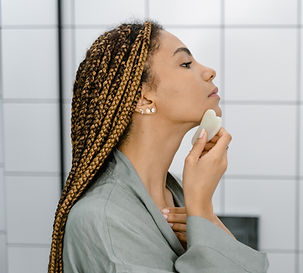
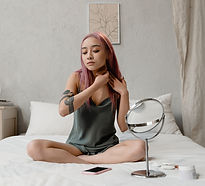
    Woman doing facial gua sha on herself

    Facial Gua sha is very different from its traditional counterpart. With traditional gua sha, the red rash-like discoloration called sha is expected as part of the healing process. However, with facial gua sha, it is to be avoided since facial gua sha is primarily a beautification technique.

    Facial Gua sha has recently grown in popularity because it offers a gentler, more natural way to achieve a youthful, glowing complexion. Unlike its traditional counterpart, facial gua sha does not produce sha. Instead, facial gua sha relies on gentle techniques to stimulate circulation and lymphatic drainage and increase collagen production.

    Technique Differences: Facial Gua Sha vs. Traditional Gua Sha

    Traditional gua sha technique involves firm pressure with a tool held at a steeper angle. This procedure can be utilized with or without lubrication; although the lubricated method is more prevalent in the western world, unlubricated gua sha is common in Asia. This technique can initiate a localized healing cascade, decrease systemic inflammation, break up scar tissue, and improve circulation.

    One of the critical elements of this technique is the production of a rash-like pattern known as sha. Sha serves as a visual cue to practitioners, indicating areas where xie qi has been released from the body and the healing cascade has been initiated. In addition, sha acts as a form of diagnosis, allowing practitioners to analyze treatment progress and asses the underlying cause of the problem being addressed. This helps them better understand and customize treatments and achieve better patient outcomes. Learn more about gua sha as diagnoses here.

    The techniques in facial gua sha are designed to provide gentle but effective exfoliation and massage of the face. Using the tool at a shallower angle with light but even pressure helps stimulate blood flow and lymphatic circulation, reduce muscle tension, and improve skin tone by increasing collagen production. To ensure optimal results, it’s essential to use a high-quality lubricant for the treatment. Balms and serums designed to moisturize and add to skin health are the best choices for this technique.

    It is also important to note that some contraindications that apply to traditional gua sha are less of a concern with facial gua sha. For example, because traditional gua sha creates sha, it is contraindicated for patients on blood thinners and should not be used over acne. However, with facial gua sha, the technique is gentle enough that blood thinners should not be an issue, and it can be used to reduce acne. Of course, you should seek advice from your healthcare professional to determine if either type of gua sha is right for you.

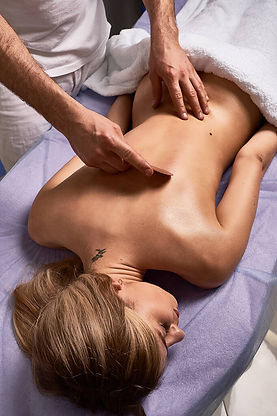
    Gua sha treatment on a women's back.

    Gua Sha Tools: Facial vs. Traditional

    Facial gua sha tools are often lighter and slightly smaller than traditional gua sha tools, making them easy to use on delicate facial skin. However, despite their smaller size, they should still be large enough to be comfortably held in the hand so that users can get the most out of their experience. To ensure optimal results, facial gua sha tools should be designed in a way that is aesthetically pleasing, functional, and easy to use. The contours of a facial gua sha tool should hug the curves of the face as opposed to a traditional gua sha tool primarily designed for the contours of the back, arms, and legs. In addition, these tools should be made from materials that are comfortable on the skin while providing a pleasant massage sensation. Metal tools are a good choice since the edges can be brought to a high polish.

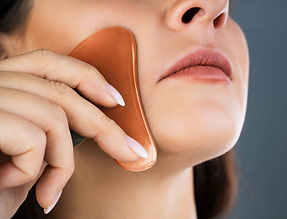
    A copper gua sha tool being used on a women's face.

    Maintaining a clean facial gua sha tool is essential for preserving healthy skin. An insufficiently cleaned gua sha tool can contribute to clogged pores and worsen skin conditions. Metal tools such as copper and steel have nonporous surfaces that will not crack or degrade over time, unlike stone or porcelain. In addition, copper is a naturally antimicrobial material that can help protect against bacteria and viruses, making it the ideal choice for a facial gua sha tool. Not only does copper have this added benefit, but when made correctly, it provides a smooth and gentle surface that glides over the skin without causing irritation or damage.

    Traditional gua sha tools are usually slightly heavier and larger to allow for firmer pressure, as with facial gua sha tools, the edges should be smooth polished metal. Traditionally gua sha tools were often improvised with items found around the house, such as Chinese soup spoons or dishes. After all, this was largely folk medicine used in the home. However, porcelain and stone tools can chip or develop microfractures over time. These small fissures are a great place for bacteria to hide. However, modern purpose-built tools made from metal instead of stone or porcelain have several advantages. They can be sanitized more effectively, created in more ergonomic shapes, and are much more durable. In addition, gua sha tools made from copper are naturally antimicrobial. One can get away with using stone or porcelain tools for traditional gua sha for a single person in a home setting, but for a clinician who is using the same tool on multiple patients, metal provides the safest and easiest surface for sanitizing.

    Choosing the Right Gua Sha Technique for Your Needs

    Gua sha is an ancient Chinese healing technique that has been used for centuries to treat internal illnesses and muscle issues. Traditional gua sha is a non-invasive therapy that uses firm pressure and produces a red rash-like discoloration called sha, an essential part of the healing process. Facial gua sha, on the other hand, is a relatively new practice primarily used for beautification and improving skin health. It is a gentler technique that does not produce sha. Both traditional and facial gua sha can be beneficial, but it’s essential to understand the differences between them since they are different modalities with different purposes.

  • The History of Gua Sha: Ancient Origins to Modern Medicine

    The History of Gua Sha: Ancient Origins to Modern Medicine

    Tracing the Ancient Origins of Gua Sha

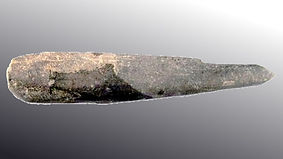
    Bian Stone from neolithic China for gua sha
    Bian Stone from neolithic China

    Gua sha is a traditional East Asian medical treatment that has been used for centuries to relieve pain, improve circulation, and boost immune function. It involves the use of a smooth-edged tool, such as a coin or jade stone, to apply firm pressure and scrape the skin. The practice has a long and rich history dating back to ancient China, and it has been used in various forms in other East Asian countries such as Japan, Korea, and Vietnam. In this article, we will explore the history of gua sha and its modern variants.

    Scraping therapies are one of East Asia’s oldest forms of medicine. Gua Sha, in China, dates back 5,000 years, [1] and likely has its origins in the neolithic period with the use of bian stones. Bian stones were made from various materials to scrape, rub or incise body parts for a therapeutic effect. The earliest such tool was discovered in neolithic ruins in Inner Mongolia, and two other bian stones were found in a neolithic grave in Shangdong Province, China. [3] The earliest written record of bian stones in a medical text was in Chapter 12 of the Huang Di Na Jing Su Wan (Warring States period 475 BC- 221 BC). It states:

    “Most of the local people there are black in skin and loose in striae, and their diseases are the carbuncle kind. It is suitable to treat the disease with stone therapy, so the stone therapy is transmitted from the east.” [4]

    Quan Yuanqi, a sixth-century commentator on the Su Wen, pointed out that “bian” was a tool for external treatment and that there were three types of stone needles corresponding to the illness being treated. [5,6] These were the Zhen Stone(needle stone), “Bian stone”(pointed stone), and Chan stone(chisel stone).

    The first three of the nine needles described in the Su Wen’s sister text, the Ling Shu, were not inserted into the body, and the Ling Shu mentions rubbing and scraping therapies in its discussions of the nine needles. Scholars such as Jeffery Yuan and Ann Cecil-Sterman especially equate the third of the nine needles with gua sha. [7,8] The second and third of the nine needles are described in the following passages:

    enshin acupuncture needles for gua sha
    Modern versions of the EnShin

    Second of the nine needles Enshin:

    “(Ch. 1) The round needle has the shape of an egg. It is used for rubbing and messaging, to divide and separate so as not to injure the muscles and the flesh. (Ch. 7) When the disease is located at the divisions between the flesh, treat using the round needle. (Ch. 78) Two is the earth. Man’s flesh resonates with the earth. Thus, to effect a cure the needle must be straight with a round tip. Do this without penetrating the divisions of the flesh, or the qi will be exhausted. The second is called the round needle. It is patterned after those needles for working cotton. Its body is tubular, and its tip is like an egg. The length is 1.6 cun(38.4mm). It controls and cures the qi which is between the flesh.” [9]

    Gold teishin, silver teishin, copper teishin,
    Modern versions of the TeiShin

    Third of the nine needles Teishin:

    “(Ch. 1) The spoon needle has a point which is as sharp as a grain of millet. It controls the channels by touch, not penetration, so as to bring about the qi. (Ch. 7) when the disease is in the channels, and the qi is sparse, tonify at that point. Treat by using the spoon needle at the well, spring, stream and river shu points. (Ch. 78) Three is man. Man becomes alive through blood channels. Therefore, to effect a cure, the needle must be large with a round tip. Use it to massage the channels without penetrating so that it can reach the qi and cause the evil qi to go uniquely. The third is called the spoon needle. Its patterned is a tip like a grain of millet. The length is 3.5 cun(84mm). It controls by massaging the channels and by grasping the qi. This causes the evil to flow out.” [9]

    These passages show that early Chinese medical practitioners used tools to scrap and rub the body to achieve therapeutic effects. Of course, the shape of the tools and techniques used have evolved since these 2500-year-old passages were written, but it is easy to see the origins of the gua sha in both theory and practice from these ancient texts.

    A later reference to scraping therapy is presented in Effective Formulas Handed Down for Generations, written in 1337 AD by Wei Yi Lin. He writes:

    “With wet hemp, scrape the surface of the neck, elbow, knee, and wrist until there is miliary cutaneous bleeding. Cover the body with thick clothes and quilts. Then, administer orally a little rice porridge or decoction of Chinese green onion and fermented soybean or fresh Chinese onion tea. After sweating, the illness will be healed. This is an effective method of loosening and relaxing the skin.”

    This passage describes scraping therapy in conjunction with herbal medicine to induce sweating and relax the muscles to heal illness. Wei Yi Lin also gives a cursory description of sha when he describes miliary bleeding.

    Other references to gua sha in formal medical writing are only prevalent in modern times. While it may have fallen out of favor in the establishment, likely giving way to acupuncture and herbal medicine, it became a common folk remedy throughout East Asia. It is not uncommon in parts of modern Asia for a mother to treat her child with gua sha. If a child gets a cold or fever, the mother may go to the cabinet and find the porcelain dish or spoon with a smooth edge and use it as a gua sha tool. The idea of the improvised medical device in folk medicine has been carried into modern practices. TCM schools often teach gua sha using a Chinese soup spoon, and some physical therapists began using metal spoons before the development of specifically designed tools that are now in common use.

    Understanding the Meaning and Significance of Gua Sha (刮痧) in Traditional Chinese Medicine

    In China, it is known as gua sha or to “scrape away disease,” in Vietnam, it is known as Cạo Gió or “to scrape wind.” In Indonesian, it is called Kerikan or “scraping technique,” A modern derivative of gua sha that focuses solely on muscular-skeletal-related issues is IASTM or Instrument Assisted Soft Tissue Mobilization. Another popular modern derivative of gau sha is facial gua sha which is mainly used for cosmetic purposes.

    Woman giving a Gua Sha treatment.

    As is often the case with older Chinese terminology, studying the written language can offer insight into deeper meanings behind the words used to express an idea. 刮痧 Gua sha is made up of several components. 刮 Gua means to scrape or shave, but it can also mean to blow, as in the wind. Wind is considered one of the six pathogenic influences that cause external disease in TCM (Traditional Chinese Medicine), and the double meaning in this character is likely intentional. 痧Sha is made up of 沙 Sha, which means sand, and 疒 Chuang is radical for sickness. When combined, they create 痧Sha, which refers to acute disease. In the Chinese written language, context is essential to grasp the meaning of words. In the case of sha, depending on the combined character, its meaning may change; for example, FengSha is measles, FaSha is heat stroke, HongSha is scarlet fever, TiSha is Cholera and ShaZhang is “acute filthy disease.” By this translation, we read 刮痧 Gua Sha as “to scrape away disease.” This translation may also imply that wind as a pathogen is an aspect of the disease being treated. In TCM, wind is said to be the bringer of 1,000 illnesses and is one of the six Xie Qi (evil qi) or pathogenic influences.

    The term sha has several meanings for the clinician. Sha can refer to the erythema and petechiae that are sometimes formed during scraping. The look can be similar to that of a cholera rash. The color, tactical quality, the time it takes to fade, and how quickly, or even if, the sha forms are all diagnostic. [1,2]⁠⁠ (see Gua Sha as Diagnosis) Sha can also refer to the sand-like vibratory sensation that is felt through the tool or by palpation while the procedure is performed. Clinicians can use this tactile feedback diagnostically to understand where the pathogenic influence is most potent. In TCM, sha is a visual expression of the release of latent pathogenic influences from the cou li. In biomedical terms, it is generally viewed as a localized histamine response or targeted inflammation. See Gua Sha: An Essential Diagnostic Tool for Traditional Chinese Medicine Practitioners for more information.

    Different Types of Gua Sha Tools from History

    Gua Sha Tools tools come in a wide variety of materials, shapes, and sizes. However, they must have a smooth edge that will not break the skin during use. [10,11,12] Materials include stone, jade, horn, bone, ceramics, metal, and even plastic. Some materials are used for their energetic properties, while others are selected for their durability or capacity to be disinfected.

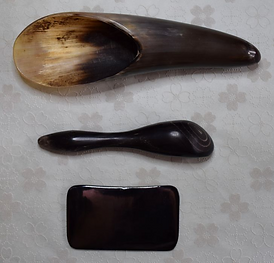
    Three traditional gua sha tools made from buffalo horn
    Gua Sha tools made from buffalo horn.

    Traditional materials are generally chosen for their availability or their energetic properties. For example, in Vietnam and Cambodia, smooth-edged coins are readily available and used quite frequently. In Chinese households, ceramic dishes or soup spoons were easily accessible and commonly used for gua sha.

    Traditional practitioners often consider the energetic property of materials as the law of signatures widely used principle in TCM practices. For example, buffalo horn is thought to be a very yang material, jade is representative of longevity, silver is considered reducing, and copper has an affinity to the blood level.

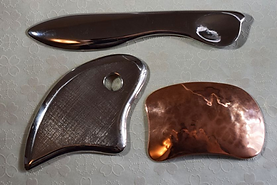
    modern gua sha tools and IASTM made from steel and copper.
    Modern metal gua sha tools.
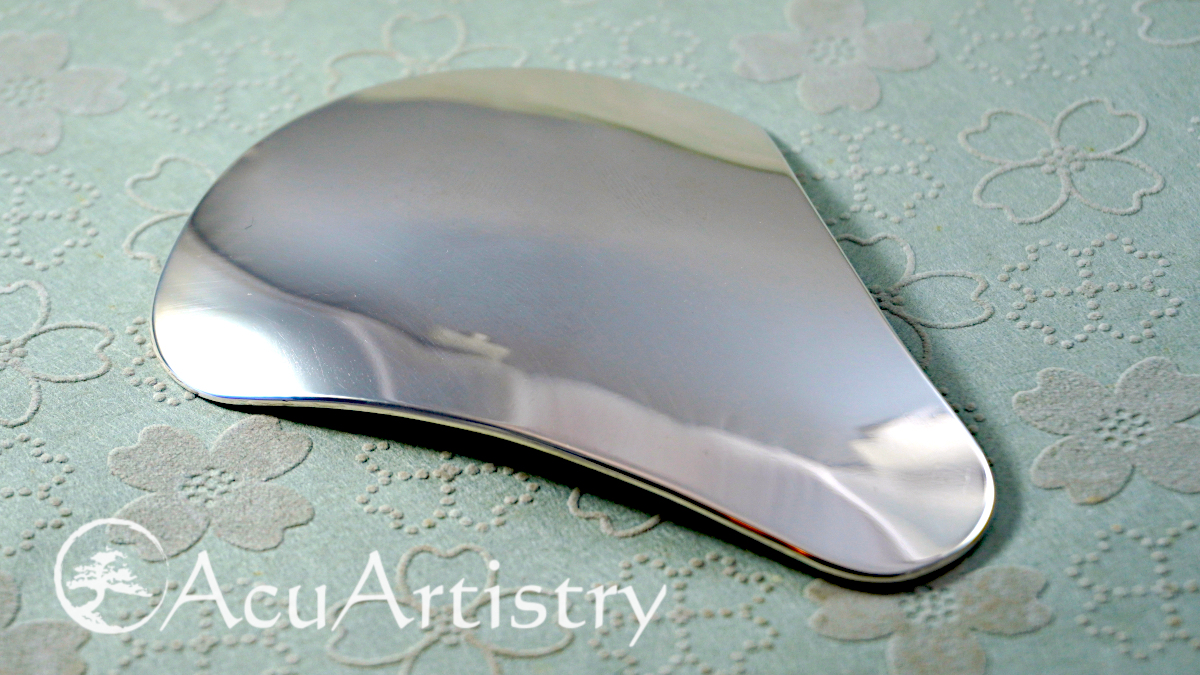
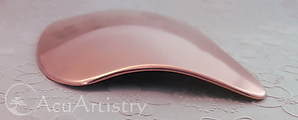
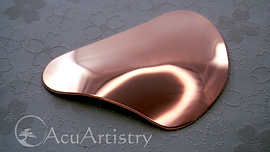
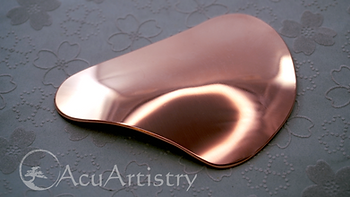
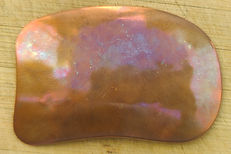
    Handmade Copper Gua Sha Tool by AcuArtistry.
    Handmade Copper Gua Sha Tool

    Modern considerations in a professional practice may be slightly different from traditional ones. Metal gua sha tools are favored by many current practitioners because they are durable and easy to disinfect between patients. Ridged metal tools have the added benefit of providing vibratory feedback during use, giving the practitioner instant diagnostic information while the changes occur in the patient. This real-time feedback helps the practitioner to work efficiently as it tells them what areas are tight, where adhesions may be, and when those areas have been sufficiently treated.13,14⁠ Dr. Arya Nielsen advocates using baby food jar lids as single-use tools. These inexpensive disposable tools subvert the need to disinfect tools between patients when treating large numbers of people in a hospital setting.10,12,15 Modern tools are often designed with specific curvatures to conform with different body parts and provide the patient with a much higher level of comfort during treatments than traditional tools.

    Exploring the Resurgence of Gua Sha in Modern Medicine

    In the last few decades, Zhang Xiuqin and Hao Wanshan published the book Holographic Meridian Scraping Therapy and a series of videos in Chinese and English.3⁠ This book is one of the most comprehensive books on Chinese scraping therapies ever written and gives a systematic approach to treatment along with six basic scraping methods. Its publication helped stoke a resurgence of gua sha in the Chinese medical establishment. Scraping therapy is currently used in clinical settings and hospitals as well as self-care and family medicine in China17⁠ for treating everything ranging from respiratory illness and muscle-skeletal issues to hepatitis.

    Coining, a traditional form of gua sha has played a significant role in helping Cambodians cope with the PTSD that followed the fall of Phnom Penh in April 1975 and the reign of terror under the Khmer Rouge.16 While the horrors of this period have been well-documented, it is crucial to recognize the ongoing impact on the mental health of those who experienced it firsthand. Gua sha has offered therapy and solace for those seeking to heal from past trauma and move forward.

    In 1980, it was discovered that a significant number of Vietnamese people were hesitant to seek medical care from American practitioners due to concerns about being wrongly accused of child abuse.17 Traditional forms of healing, such as coining or gua sha, often leave marks on the skin that could be misinterpreted as signs of abuse. This issue highlights the importance of cultural competency and sensitivity in the medical field, as well as the need to address and overcome biases and misunderstandings to provide the best possible care to all patients.

    Examining the Similarities and Differences between Instrument Assisted Soft Tissue Mobilization (IASTM) and Gua Sha

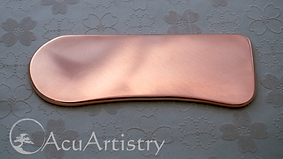
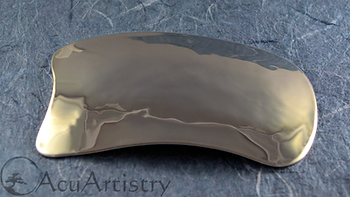
    Copper IASTM tool made by AcuArtistry.
    Copper IASTM Tool

    Western medical practitioners, such as physical therapists and osteopathic doctors, have begun to use one aspect of gua sha to treat musculoskeletal disorders. This modern practice is generally referred to as Instrument Assisted Soft Tissue Mobilization (IASTM), a form of manual therapy. The techniques used in IASTM are almost identical to those used in gua sha, but the language used to describe the actions are put into modern medical terminology.

    IASTM and gua sha are so similar that in recent years, some have criticized IASTM as a form of cultural appropriation. Gua sha has a long history in Chinese medicine and is an important aspect of traditional East Asian medical practices. It can be argued that IASTM is simply the rebranding of gua sha by Western practitioners and appropriates this cultural practice without acknowledging or respecting its origins and cultural significance. While a medical procedure must be explained in ways the patients receiving them understand, it is important to recognize and respect the cultural roots of this ancient medical practice.

    Tools used for IASTM are usually made from surgical steel or other metals, are genraly heavier and have a broader edge than traditional gua sha tools. This change in design allows practitioners to press harder and work longer without damaging the skin. The main goal of ISTAM is to break down fascial adhesions and muscle fibers to increase function. Unlike traditional gua sha, IASTM practitioners do not treat internal diseases and only focus on musculoskeletal disorders. This specialization has made IASTM a popular treatment among sports medicine providers.

    Understanding the Origins of Facial Gua Sha

    Facial gua sha is rooted in traditional Chinese gua sha but, in its modern form, is likely a merger of conventional Chinese medicine techniques and Japanese skincare regimes. It involves the use of tools to massage the skin and stimulate circulation. While traditional gua sha is used to treat illness and musculoskeletal conditions, facial gua sha is focused on cosmetics and skin health.

    Woman using facial gua sha.

    In recent years, there has been a proliferation of purpose-built tools designed explicitly for facial gua sha, which are often similar to those used in traditional gua sha. These tools are usually slightly smaller and lighter than their traditional counterparts but have essentially the same design. For the most part, facial gua sha tools can be used interchangeably with traditional gua sha tools.

    Handmade copper facial gua sha tool by AcuArtsity.
    Handmade Facial Gua Sha Tool

    The techniques used in facial gua sha are generally much lighter and gentler than those used in traditional gua sha, as the goal is not to produce the characteristic sha (redness) that is typically seen after traditional gua sha. Instead, the techniques used in facial gua sha are designed to improve circulation, stimulate collagen production, and help reduce wrinkles, all with the aim of achieving a more youthful and radiant complexion.

    A Cultural Perspective on the Evolution of East Asian Scraping Therapies

    Gua sha and other East Asian scraping therapies have a long and rich history dating back thousands of years. Gua sha has existed in the official medical establishment and as a popular folk remedy. It continues to evolve into modern modalities such as facial gua sha and IASTM. While progress and evolution in medicine can help to make modalities like gua sha more accessible to a broader population, it is essential to remember and acknowledge the cultural origins of these therapies as they become more widely adopted and continue to benefit people worldwide.


    References

    1. Xiuqin Z, Wanshan, Hao. Holographic Meridian Scraping Therapy. Beijing: Foreign Languages Press; 2000.

    2. Nielsen A. Gua sha Traditional medicine for pain , inflammation and immune support. 2012;412(August 28):1.

    3. Cheng X, Zheng Q, Xie Z. Chinese Acupuncture and Moxibustion. 3rd ed. (Cheng X, Zheng Q, Xie Z, eds.). Beijing: Foreign Languages Press; 2009.

    4. Bing W, Wu NL, Wu AQ. Yellow Emperor’s canon internal medicine. China Science and Technology Press; 1997.

    5. Kan-Wen M. Acupuncture: Its Place in the History of Chinese Medicine. Acupunct Med. 2000;18(2):88-99.

    6. Unschuld PU. Huang Di Nei Jing Su Wen: Nature, Knowledge, Imagery in an Ancient Chinese Medical Text. Berkeley and Los Angeles, California: University of California Press; 2003.

    7. Cecil-Sterman A. Advanced Acupuncture: A Clinical Manual. Ann Cecil-Sterman, PLLC; 2013.

    8. Yuen JC, Howard S. Light on the Essence of Chinese Medicine- The Nei Jing. Continuing Education Department, New England School of Acupuncture; 2001.

    9. Wu J-N. Ling shu, or, The spiritual pivot = Ling shu. Washington, D.C.; Honolulu, Hawaii: Taoist Center; Distributed by University of Hawaii Press; 2002.

    10 Nielsen A. Gua Sha: A Traditional Technique for Modern Practice. Oxford: Churchill Livingstone; 2012.

    11. Nielsen A. Gua Sha: A Clinical Overview. 2004.

    12. Nielsen A. The Crisis is the Cure. Sites J 20Th Century Contemp French Stud. 1996;(50):5-11.

    13. Tools and methods for performing soft tissue massage. August 1994. https://patents.google.com/patent/US5441478A/en. Accessed June 18, 2018.

    14. Cheatham SW, Lee M, Cain M, Baker R. The efficacy of instrument assisted soft tissue mobilization: a systematic review. J Can Chiropr Assoc. 2016;60(3):200-211.

    15. Nielsen A, Kligler B, Koll BS. Safety protocols for Gua sha (press-stroking) and Baguan (cupping). Complement Ther Med. 2012;20(5):340-344. doi:10.1016/j.ctim.2012.05.004

    16.Van Schaack, Beth and Reicherter, Daryn and Chhang, Youk, Cambodia’s Hidden Scars: Trauma Psychology in the Wake of the Khmer Rouge (2011). Stanford Public Law Working Paper No. 2758130, Available at SSRN: https://ssrn.com/abstract=2758130 or http://dx.doi.org/10.2139/ssrn.2758130

    17. Addressing a lack of culturally sensitive healthcare for Cambodian and Vietnamese communities in O.C.” Los Angeles Times. 24 September 2020.

  • Gua Sha: An Essential Diagnostic Tool for Acupuncturists

    Gua Sha: An Essential Diagnostic Tool for Acupuncturists

    Gua sha is an East Asian medicine technique that involves scraping the skin with a smooth-edged tool to improve circulation, relieve muscle tension, and treat internal diseases. In addition to its therapeutic benefits, gua sha can also be used as a diagnostic tool to identify the underlying cause of a patient’s symptoms. By observing the color and appearance of the sha, as well as the time it takes for the sha to appear and fade, practitioners can gain valuable insights into a patient’s condition and the effectiveness of treatment.

    Woman receiving a gua sha treatment

    In this article, we will explore the use of gua sha as a diagnostic tool, including the importance of consistent technique and the selection of an appropriate gua sha tool. We will also discuss the different color patterns of sha and how they can be used to diagnose various conditions. Finally, we will explore time-based diagnosis in gua sha and how the time it takes for sha to arrive and fade can provide additional insight into a patient’s condition. If you are interested in the history of gua sha check out this article. Overall, gua sha is a valuable tool for traditional Chinese medicine practitioners and can provide significant benefits for patients.

    What is Sha?

    Sha is a term used in traditional Chinese medicine (TCM) to describe the visible rash-like mark that appears after using the gua sha technique. In scientific terms, sha results from the extravasation of cellular material with a localized inflammatory response that begins a targeted healing cascade. As the metabolic waste from the procedure is reabsorbed into the body, circulation increases, and the body’s anti-inflammatory chemicals are upregulated, systematically reducing inflammation.

    In TCM, illness can arise from xie qi (evil qi) or pathogenic influences lodged in the channel systems of the body. Gua sha is a technique used to open the pores and release the exterior while moving qi and blood internally. These actions remove the latent pathogenic influences and leave behind visual markers called sha. These pathogenic influences are classified as one or more of the six pathogenic influences: wind, cold, heat, dampness, dryness, and summer heat. As these pathogens are dislodged, the law of signatures takes effect, leaving behind visual clues. An astute clinician can determine the pathogenic influence’s type, strength, and channel location by observing and understanding these clues.

    In this context, channel location refers to the channel system in which the xie qi is lodged and not a physical location on a primary meridian pathway. From the most superficial to the deepest, the five-channel systems are the sinew channels, luo channels, primary meridians, divergent channels, and eight extraordinary vessels. Understanding which channel system is involved will determine the best course of treatment. For example, a stiff neck caused by acute wind cold invasion differs significantly from a stiff neck caused by a lingering divergent channel pathogen. Wind cold evasion should be a straightforward course of treatment, whereas a divergent pathogen can be challenging to treat effectively.

    Consistent Technique

    Having a consistent technique is essential when using gua sha for diagnosis. If the clinician’s technique varies greatly in terms of pressure or speed from one treatment to the next, it will be difficult to establish a baseline for comparisons. The key is to use consistent, even strokes to understand how different patients will react and how individual patients change from treatment to treatment. As clinicians, our patients can be our best teachers if we take the time to observe, listen, and understand how they respond to our treatments. A consistent, systematic approach is best, and clear; honest self-assessment is crucial for learning from our patients.

    Selecting the Proper Tool

    The type and quality of the gua sha tool used for treatment are important factors to consider. Implements with rough edges can cause abrasion to the skin, which is commonly seen with some stone, porcelain, and horn tools. Using a magnifying glass to closely examine the surface of a poorly made gua sha tool or one made with the wrong materials, you will see a rough, sandpaper-like surface that is often not visible to the naked eye. These tools will bring up redness and petechiae with only a few passes, but this is not sha. This is skin damage, and the clinician must stop treatment before true sha is present. To achieve accurate diagnostic results, it is essential to use a high-quality gua sha tool. A metal tool with a polished edge that is not sharp or too thick is ideal. A tool with a wide edge may be useful for treating muscle-skeletal conditions, but it will not be easy to bring up sha. These wider-edged tools are commonly sold as IASTM (Instrument Assisted Soft Tissue Mobilization) tools, but they are unsuitable for diagnostic purposes or treating internal diseases.

    Diagnosis by Color

    Gua sha as diagnosis purple sha with yellow ghosting..
    Fading sha revealing a yellow ghosting color.

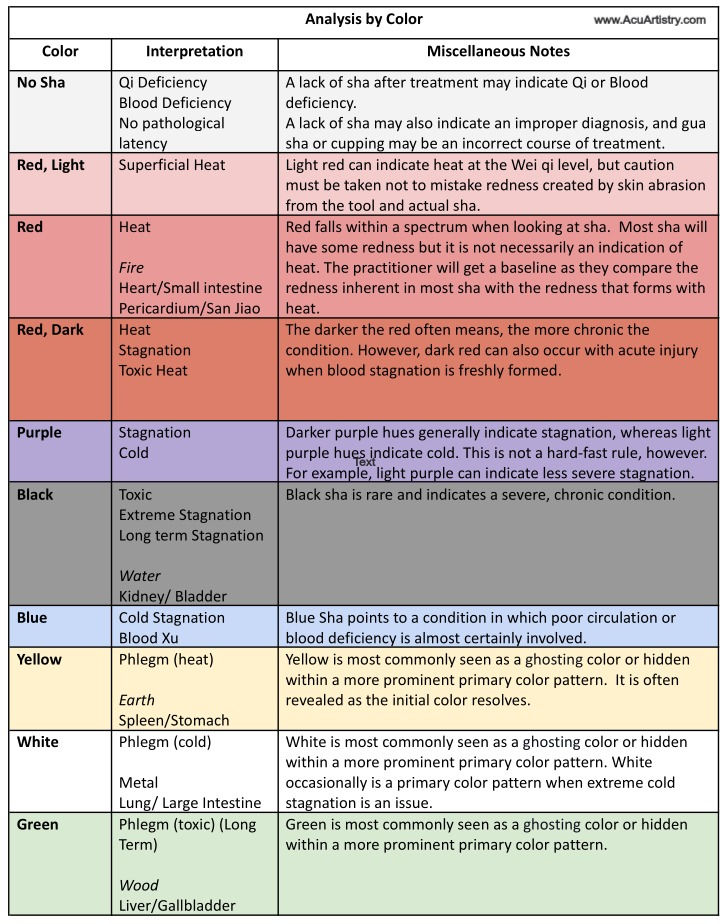
    Sha is a term that often refers to two distinct color patterns that can occur during or after gua sha therapy. The primary color pattern forms during the therapy and can continue to develop for up to an hour after the procedure ends. This color is related to blood levels, cou li (a term referring to where the xie qi may be lodged in the body), or problems with the sinew channel. The second color pattern, known as “ghosting,” appears as the primary color fades and may indicate an underlying condition. For example, a primary color pattern of deep purple likely indicates blood stagnation and a yellow ghosting color points to a warm phlegm condition. The ghosting pattern is often related to the overall constitution of the individual, but it can also reveal lingering pathogenic influences in deeper channel systems within the body. See chart below for detailed diagnosis by color.

    Diagnosis by Time

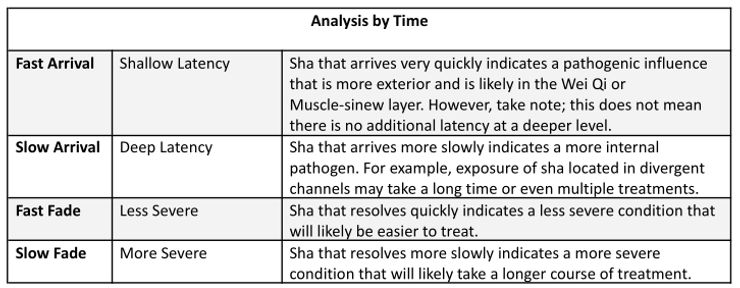
    The amount of time it takes for sha to arrive or fade is an important diagnostic marker. The arrival time of sha is related to the depth of the pathogenic influence. Sha that appears quickly is more superficial than sha that takes longer to form. For example, if a patient has an acute wind invasion, sha is likely to appear quickly because the pathogenic influence is near the surface. However, since the divergent channels are one of the deepest channel systems in the body, xie qi located there may take several minutes or even multiple treatments before sha appears.

    The fading time of sha is related to the strength or amount of pathogenic influence. If sha fades quickly, a shorter course of treatment may be necessary, but if sha lingers for several days or more, the pathogenic influence is strong, and a longer course of treatment will likely be needed. The patient’s constitution can also affect fading time. A more vibrant and active individual may be able to clear sha faster than a sedentary patient with weak wei qi. See chart below for detailed diagnosis by time.

    Conclusion

    Gua sha is an effective treatment option and a valuable diagnostic tool when used systematically. Proper technique and a high-quality gua sha tool are essential for achieving consistent results. By analyzing the color and appearance of sha, as well as the time it takes for sha to arrive and fade, practitioners can gain valuable insights into a patient’s condition and the effectiveness of treatment. Overall, gua sha is a valuable tool for traditional Chinese medicine practitioners and can provide significant benefits for patients.

    Chart of diagnosis by color of sha for acupuncturists using gua sha treatments.

    References

    Xiuqin Z, Wanshan, Hao. Holographic Meridian Scraping Therapy. Beijing: Foreign Languages Press; 2000.

    Cecil-Sterman A. Advanced Acupuncture: A Clinical Manual. Ann Cecil-Sterman, PLLC; 2013.

    Nielsen A. Gua sha Traditional medicine for pain, inflammation and immune support. 2012;412(August 28):1.

    Unschuld PU, Tessenow H, Jinsheng Z. Huang Di Nei Jing Su Wen, An Annotated Translation of Huang Di’s Inner Classic – Basic Questions. Berkely: University of California Press; 2011.

  • AcuArtistry Tool Care Guide: Gua Sha, Teishin, and IASTM

    AcuArtistry Tool Care Guide: Gua Sha, Teishin, and IASTM

    Copper, silver, and gold are resilient and corrosion-resistant metals. With proper care, your AcuArtistry gua sha tool, teishin, or IASTM tool will last several lifetimes. There are two main cleaning methods, one for home use, when the tool is used only for self-care, and one for a clinical setting where cross-contamination is a concern.

    Copper Facial Gua Sha Tool
    Facial Gua Sha is popular both at home and in the clinic.

    For home use, first, wash the tool with soap and water. Make sure to remove residual oils or lotions. Next, rinse thoroughly to clean all soap residue. Finally, dry the gua sha tool completely. Depending on location and water quality, stains can occur if the item is not thoroughly dried.

    In a clinical setting, where cross-contamination is a concern, we have an extra step. First, clean the tool as described in the home use section. Next, use a hospital-grade disinfectant. These products vary greatly, so follow the instructions for your chosen product. Avoid bleach or ammonia-based products as they can affect the integrity of the metal. Finally, re-wash the tool to remove any disinfectant and dry it thoroughly.

    Things to Avoid

    Copper, silver, and gold are resilient and corrosion-resistant metals, but there are a few things to avoid.

    • Bleach and ammonia-based cleaners can degrade the metal and cause pitting on the item’s surface. Please avoid using these cleaners.
    • Avoid abrasive cleaners that will put micro scratches on the surface of the tool. They will slowly wear away the metal and damage the finish over time.
    • Most autoclaves will not damage your tool, but the process will cause extreme water stains and discoloration. These stains may be permanent, so be sure you are okay with changing the look of your tool before this method is employed.

    Color Changes in Copper

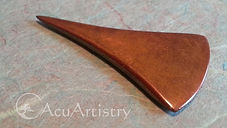
    Hand hammered Gua Sha Tool
    AcuArtistry Gua Sha Tool after nine years of daily use and abuse in a teaching clinic.

    Over time and use, the color of your tool will change. Eventually, with proper care, copper can develop a beautiful patina revealing deep blues, greens, and reds in the metal. Often copper will go through a slightly “ugly” period before beautiful color variations reveal themselves. These color changes are a perfectly normal process that all copper will undergo. A high-quality jewelry polish can be used if you want to restore the copper to its original shine.

    Special Notes On Silver and Gold Items

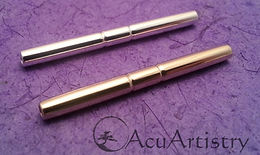
    AcuArtistry handmade silver and gold guide tube for easy insertion of acupuncture needles
    Custom Silver and Gold Guide Tubes

    Silver and gold are soft metals that can scratch or bend easily. Therefore, take extra care when storing or handling them and strictly avoid abrasive cleaners. Silver tools can tarnish. A silver tool that sits unused for a long time or is stored in an oily environment (e.g., some types of leather cases) will discolor faster. Use a high-quality jewelry cleaner to remove the tarnish.

    “Live quietly in the moment and see the beauty of all before you. The future will take care of itself.”

    — Paramahansa Yogananda

  • Copper Gua Sha; An Antimicrobial Therapeutic Tool

    Copper Gua Sha; An Antimicrobial Therapeutic Tool

    Guest writer: Tatiana Parzynski, N.D.

    Handmade Copper Gua Sha Tool

    Physical medicine has always been a part of my medical practice and when I want to increase fascial glide or mobilize soft tissue I always reach for my copper gua sha tool. I learned about gua sha early on in my medical training and started using AcuArtisty’s copper gua sha tool as soon as I started seeing patients. I liked the ergonomic feel of the tool, but more than that, there was something about the copper itself that seemed to make a difference that I just couldn’t put my finger on.

    My knowledge of copper as a metal and its deep historical uses in medicine was limited. I knew copper is used as a very effective contraceptive device and that for some individuals wearing copper bracelets helps their arthritis. I had little knowledge that copper has been gaining substantial attention in the medical community due to its natural antimicrobial properties. The more I learned about this metal, and its history, modern uses, and future potentials, the more my appreciation for copper grew. Turns out, my favorite copper gua sha tool is even shinier than it appears to be.

    As naturopathic physicians, we are taught that copper is an important micronutrient for almost all living things. Humans require a small amount of copper every day and become ill if deficient. While it varies from country to country, in the United States the recommendation is about 900 micrograms per day, and for most people, this amount is easily obtained through diet although, unfortunately, deficiencies still occur.

    Copper has a complex enzymatic activity in the human body that regulates many vital physiological pathways. Copper provides us with antioxidant defense, produces energy, and utilizes iron so that we can do things, it also helps our nervous system function properly. The list of copper’s functions in the body goes on but the main point is that we can’t live without copper and remain healthy.

    Interestingly, the role of copper as an essential trace mineral in the human body was not recognized until 1928 and its benefits continue to be uncovered to this day. However, it is the oldest and 25th most abundant element found in the earth’s crust, and its use by people dates back to the 5th and 6th millennia B.C. Some sources even say that copper was the first metal used by humans to make things like jewelry, utensils, and weapons.

    Copper zanshin acupuncture needle

    One way or another, we learned about copper’s antimicrobial properties a long time ago and used the metal to sterilize wounds, purify drinking water and treat diseases. These early uses date back to the 26th century B.C., and copper continued to be used as a biocidal agent until antibiotics became available in the 1930s.

    Since germs, bacteria, and fungi developed abilities to resist antibiotics in the decades to follow, copper with its natural antimicrobial qualities got a chance to shine once again. In 2008, copper gained a lot of attention in the medical community when its extraordinary ability to kill 99.9% of pathogenic bacteria within two hours of contact was officially recognized.

    Presently, hospitals use copper to control and combat the often deadly spread of healthcare-related infections. Pathogens can be effectively inactivated on frequently touched surfaces made of copper alloy materials, and the term “contact killing” has been coined for this process. Medical textiles (hospital sheets, patient gowns, etc.,) infused with copper compounds are being tested and utilized in some US hospitals to control bacterial contamination. Although research is ongoing there is no denying that the uses of copper in medicine are extraordinary.

    These and future antimicrobial uses of copper in public health are of special importance with the current and continual threat of novel viruses such as coronavirus SARS-CoV-2. Promisingly, recent studies already demonstrated that on copper surfaces the Covid-19 virus was active for less than 4 hours whereas it lasted for 3 days on other surfaces like stainless steel and plastic.

    For healthcare providers who use physical medicine, working with ergonomically designed tools like AcuArtistry’s copper gua sha tool is a joy. It is comfortable when used and efficient therapeutically; it helps get things done without fatiguing the practitioners’ hands. Additionally, the use of copper in this tool gives the practitioner another level of therapeutic confidence and empowerment. It is naturally antimicrobial, and when cleaned properly and kept dry in between uses, it provides a safe effective way to treat a plethora of conditions. Copper has been our go-to metal for a long time and it has an even brighter future.


    References:

    https://lpi.oregonstate.edu/mic/minerals/copper#function

    https://ods.od.nih.gov/factsheets/Copper-HealthProfessional

    Govind, V., Bharadwaj, S., Sai Ganesh, M.R. et al. Antiviral properties of copper and its alloys to inactivate covid-19 virus: a review. Biometals (2021). https://doi.org/10.1007/s10534-021-00339-4

    Besold, A.N., Culbertson, E.M. & Culotta, V.C. The Yin and Yang of copper during infection. J Biol Inorg Chem 21, 137–144 (2016). https://doi.org/10.1007/s00775-016-1335-1

    Grass G, Rensing C, Solioz M (2011) Metallic copper as an antimicrobial surface. Appl Environ Microbiol 77(5):1541–1547. https://doi.org/10.1128/AEM.02766-10

    Butler JP. Effect of copper-impregnated composite bed linens and patient gowns on healthcare-associated infection rates in six hospitals. J Hosp Infect. 2018 Nov;100(3):e130-e134. DOI: 10.1016/j.jhin.2018.05.013. Epub 2018 May 24. PMID: 29803808.

    Grass G, Rensing C, Solioz M (2011) Metallic copper as an antimicrobial surface. Appl Environ Microbiol 77(5):1541–1547. https://doi.org/10.1128/AEM.02766-10

    Balasubramaniam B, Prateek RS, Saraf M, Kar P, Singh SP, Thakur VK, Singh A, Gupta RK (2021) Antibacterial and antiviral functional materials: chemistry and biological activity toward tackling COVID-19-like pandemics. ACS Pharm Transl Sci 4(1):8–54. https://doi.org/10.1021/acsptsci.0c00174

  • ​The Energetic Properties of Metals in the Healing Arts

    ​The Energetic Properties of Metals in the Healing Arts

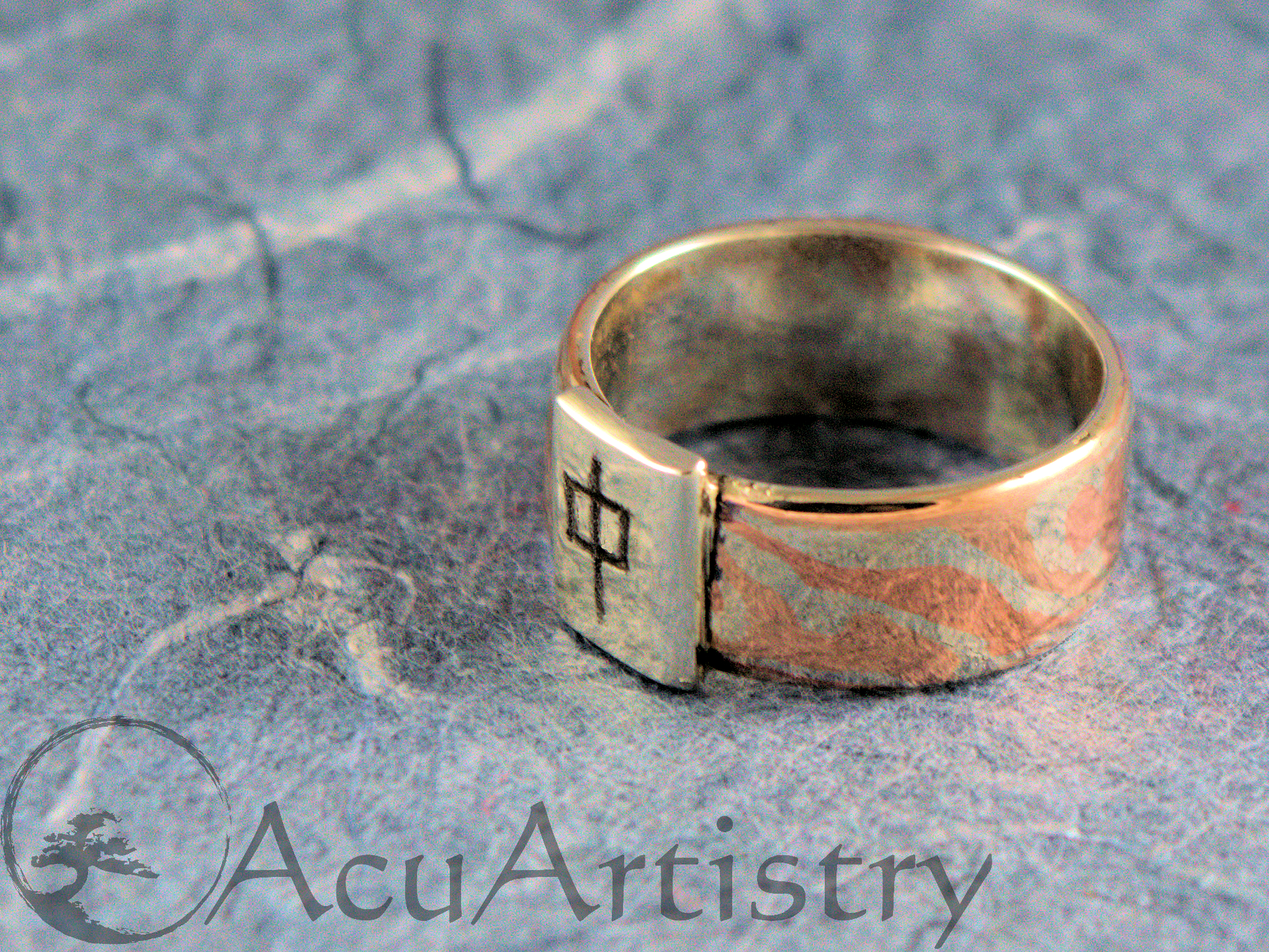
    silver and copper Mokume Gane ring with Zhong etching

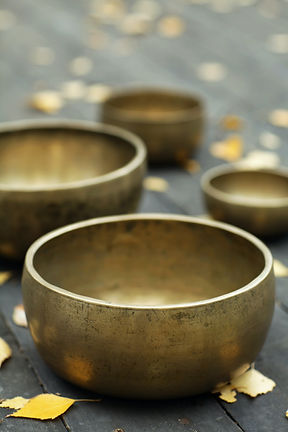
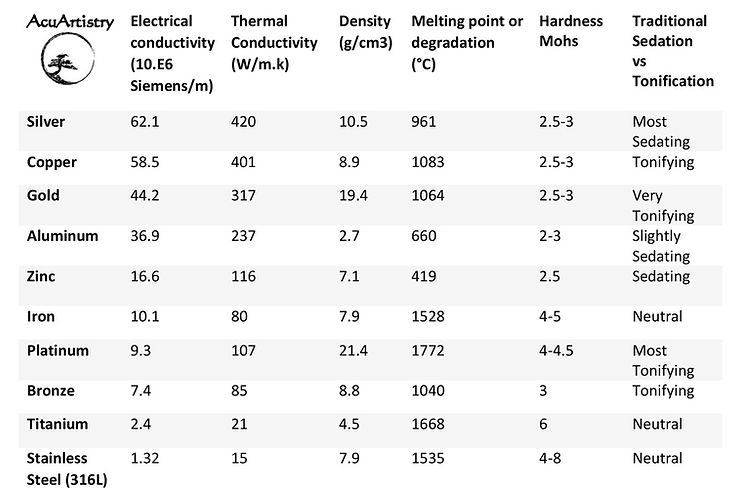
    Metals have long been used in the healing arts for their unique properties and energetic qualities. In Japan, the type of metal used in teishin-based acupuncture techniques, such as shonishin, Tyohari School, or Funamizu Style treatments, is often a primary consideration. The best metal used for a facial gua sha tool can be determined by the user’s complexion, and creating the correct bronze alloy for a singing bowl is a critical factor in its resonant qualities. Each metal has its unique personality that can be enhanced or shaped using the appropriate techniques.

    In this article, we will explore the energetic qualities of different metals commonly used in the healing arts, such as copper, silver, gold, bronze and platinum, and discuss their uses and benefits. We will also discuss some scientific evidence supporting the use of metals in this way and provide tips for incorporating metal-based therapies into your healing practice.

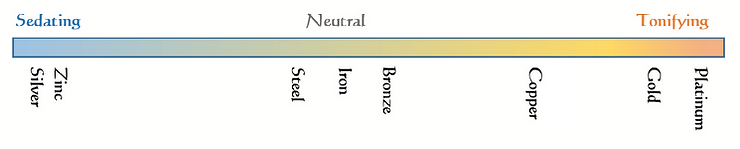
    An info graphic showing the energetic properties of metal in acupuncture

    Silver is a cool nourishing rain washing away the dirt on a warm summer day.

    One of the most widely used metals in the healing arts is silver. This precious metal is known for its potent antimicrobial properties, which make it an effective tool for fighting infection. In fact, silver has been used for centuries as a natural remedy for a wide range of health conditions, including wounds, burns, and even cancer. In addition to its antimicrobial properties, silver has calming and soothing effects on the mind and body. Some healing arts practitioners even use silver to help promote restful sleep and reduce anxiety.

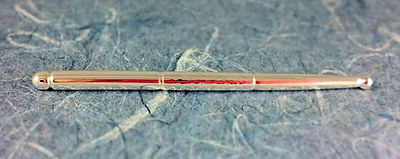
    Hand made teishin by acuartistry
    Fine silver taishin hand crafted for Dr. Higuchi Hideyoshi

    Silver in East Asian medicine is traditionally considered sedating and can easily transmit the practitioner’s intention. Since silver takes on the practitioner’s intention so well, it is often the best choice for a first teishin. From a physics standpoint, silver is the most thermally and electrically conductive metal. The two types of silver used are fine silver and sterling silver. Fine silver is over 99.9% pure and is slightly softer than sterling. It offers purer energetics and is somewhat more sedating. Sterling silver is 92.5% silver and 7.5% other metals (usually copper). Sterling has a flatter, energetic feel but offers slightly superior durability making it ideal for tools used for scraping and rubbing. Silver is often used as a polarity agent or Yin-Yang pair with gold.

    Gold is a bright ray of the sun over a fertile field.

    This precious metal is known for its lustrous yellow color and its versatility. In east Asian medicine, it is thought of as tonifying, slightly warm, and easy to manipulate. Solid gold teishin are heavy in weight and have a bright, lively feel. They are fast-acting, so practitioners must be careful not to over-treat patients when using teishin or other tools made from gold. Gold is traditionally linked to longevity, clarity of the soul, and spiritual enlightenment.

    Gold-plated healing implements are popular for their cheap price, but this comes with a significant drawback. Gold plating is extremely thin, usually 0.25 – 5 micron range (0.00001″ -0.0002″), and has little effect on the energetics of the metal. In fact, the material that has been plated, usually aluminum or pot metal, will have more impact on the tool than the tiny amount of gold used to plate it. Gold-plated teishin with lightweight aluminum cores have become popular in recent years due to the lower price. Unfortunately, these teishin usually have the dull energetic quality you would expect from aluminum.

    Silver and Gold as a Yin-Yang Pair

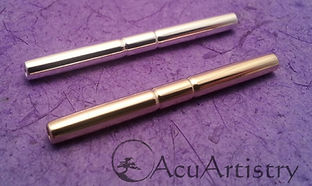
    Gold and silver acupuncture guide tubes
    Yin-Yang pair of Silver and Gold acupuncture guide tubes.

    In Japanese acupuncture, silver and gold are often used together as a yin-yang pair. This is because the two metals have opposing, yet complementary, effects on the body. For example, silver has cooling and soothing properties, while gold has warming and stimulating effects. Therefore, practitioners can provide a more balanced and effective therapeutic approach by combining these two metals.

    Silver and gold teishin are often used as polarity agents for Manaka-style acupuncture treatments to stimulate the flow of qi in specific directions through the channel systems. This approach is commonly used to balance the Eight extraordinary vessels.

    Copper is warm blood continuously cycling through the body.

    This reddish-brown metal is known for its ability to conduct electricity and heat, which makes it a popular choice for various therapeutic applications. In East Asian medicine, copper is considered slightly tonifying without being too warm. In addition, it has an affinity to the blood level, which makes it an excellent choice when treating Luo Channel issues. In Traditional Chinese medicine, the luo channels are connected to memory and mental health. When these channels become blocked or imbalanced, it can lead to various mental health problems, such as memory loss, confusion, or anxiety.

    Copper offers excellent corrosion resistance and has potent antimicrobial and anti-viral properties, which make it an effective tool for fighting infection. Hospitals and medical clinics have recently started coating door knobs and other commonly touched items with a thin layer of copper to help fight the spread of infections. This property makes copper an ideal choice for acupuncture guide tubes.

    Handmade facial gua sha tool
    Pure copper facial gua sha tool.

    The antimicrobial properties and blood level actions also make copper the perfect choice for gua sha tools. Copper is also often used in teishin by students who are not ready to invest in gold. This is better than gold plating for a practitioner on a budget.

    Zinc is empty, like a dry riverbed waiting to be filled.

    This bluish-white metal is known for its versatility and ability to resist corrosion, making it a popular choice for various therapeutic applications. Zinc is often taken as a supplement to boost the immune system and protect against infection. Topically, zinc is used to help improve skin health and reduce the appearance of scars and blemishes.

    Copper and zinc as polarity agents.

    Copper and zinc discs are often paired in Manaka-style polarity treatments. If you remember 6th-grade science class and potato batteries, you know zinc and copper are often used in a dielectric to produce an electrical charge. Zinc is used as the negative electrode, or anode, while copper is used as the positive electrode or cathode. By combining these two metals, scientists can create a simple battery using a potato as an electrolyte. In Manaka-style acupuncture treatments, the patient is the dielectric. Dr. Yoshio Manaka originally developed this treatment method to speed healing in patients suffering from burns and later adapted it to his acupuncture system.

    Platinum is a singularity with all its potential; explosive and life-giving.

    This rare, silvery-white metal is known for its strength, durability, and ability to withstand high temperatures. Platinum is very tonifying, hot, and difficult to control. It is often used to improve mental clarity and focus. Care should be taken with platinum as it is easy to over-treat when using tools made from this material. Platinum tools are often prohibitively expensive, not only because of the cost of the material but its exceptionally high melting point (3,215°F) makes it difficult for artisans to work with it.

    Bronze is full of potential, waiting to be forged into resonance.

    bronze singing bowls

    Bronze is an alloy of copper and tin, and possesses a stiff, resonant quality. While copper itself has a warm, tonifying nature, the addition of tin gives bronze a neutral feel that is brimming with potential. Historically, bronze was among the first materials used for acupuncture needles, though it was eventually superseded by the stiffer and more durable steel. The original Nine Needles described in the Huang Di Nei Jing Ling Shu were likely forged from bronze.

    The tradition of using bronze for singing bowls and bells dates back centuries and highlights its unique properties. These instruments, when played by a skilled musician or practitioner, produce intricate harmonic vibrations. Singing bowls, in particular, generate a soothing sound known for its therapeutic benefits. Beyond their sonic qualities, singing bowls hold a rich spiritual history, often integrated into various meditative and ceremonial practices.

    Iron is a soft muddy field; it is difficult to traverse but will eventually bring new life.

    Iron is a key component in our blood. It is neutral in its unoxidized state, but as it rusts, it becomes warmer. Magnetite is one of the main iron ores, with the chemical formula Fe3O4, and is used extensively in the healing arts to neutralize negative emotional states such as fear, anger, and depression. Magnets are also worn to relieve inflammation and pain associated with arthritis.

    Iron is not generally used in modern acupuncture tools, probably due to its ease of corrosion. It was, however, used in ancient times before the development of high-quality steel. Please note only some steel contains iron; therefore, steel is only a reliable replacement for iron if the exact composition is known.

    Steel is a clear, crisp winter night spent gazing at the stars.

    Steel is an alloy, and its exact combination of metals will differ from steel to steel. The steel used in your kitchen knife differs from the steel used in your frying pan. They have been formulated for different purposes and require compositions of base metals. Steel is generally neutral and tends to feel flat and cold unless manipulated. Most modern acupuncture needles are made from steel. Modern surgical tools are often made from stainless steel for their durability and ease of sterilization.

    Titanium is inert and unmoving, like the universe before the first sound.

    This metal is very durable and lightweight but has very low electrical and thermal conductivity. It is incredibly flat and neutral energetically and is not commonly used in traditional healing arts. However, its often used in surgeries and prosthetics due to its inertness.

    The Physical Properties of Metals

    ​The chart below compares the physical properties of metals commonly used in the healing arts. For example, the most frequently used metals for teishin (silver, copper, and gold) are also the most electrically and thermally conductive. On the other hand, the materials used in most modern medical applications (titanium and stainless steel) have the least electrical and thermal conductivity and the highest hardness. The last column in the chart lists the traditional ideas on sedation versus tonification and is given as a frame of reference for comparative purposes.

    This chart compares the physical properties of metals commonly used in the healing arts with energetic properties.

    Conclusion

    The use of metals in the healing arts is a centuries-old tradition that is still relevant today. Each metal has unique properties and energetic qualities that can promote health and well-being in different ways. Some metals, such as silver and gold, are known for their conductive properties and make excellent teishin. Others, such as copper, with its antimicrobial properties and affinity to the blood, make excellent gua sha tools. Bronze is known for its resonant qualities and is often a choice material in sound healing. Choosing the most suitable metal for your healing implements can create a synergy that can bolster and amplify your work as a healing practitioner.

    Whether you are a seasoned practitioner of the healing arts or simply looking for new ways to promote your health and well-being, exploring the energetic qualities of metals can be a valuable addition to your wellness routine. By learning about the unique properties and uses of different metals, you can make informed decisions about which ones may best suit your individual needs healer.