Category: Teishin

  • Teishin Self Treatment Guide

    Teishin Self Treatment Guide

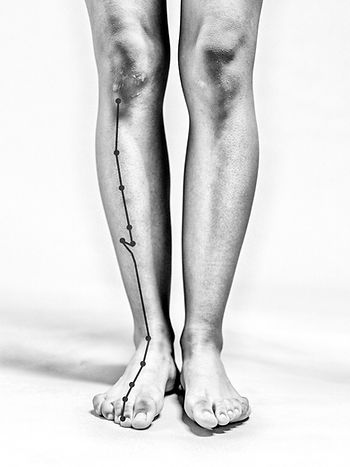
    Teishin Treatment for the Stomach Qi Line

    This guide offers a simple, meditative self-treatment using Japanese Meridian Therapy principles and a teishin to harmonize the Stomach Qi line on your leg. This approach focuses on gentle touch and mindful awareness of the meridian’s flow, rather than focusing on specific acupuncture points.

    St Qi Line Acupuncture Meridian

    What is the Stomach Qi Line?

    The Stomach Qi line represents the lower portion of the Yang Ming meridian and includes the five transport points of the Stomach.

    Rather than viewing the Stomach Qi line as a thin line, consider it as an area. Use a gentle, compassionate touch, and trust your hands to develop palpation skills. Effective treatments arise not from memorizing points but from learning to feel the current state of the channel.

    “All acupuncture is to tonify what is deficient and reduce what is in excess.” – Ling Shu Ch.1

    Preparation for Treatment:

    1. Find a tranquil space: Choose a quiet, comfortable area where you won’t be disturbed.
    2. Set the mood: Dim the lights, put on calming music, or light incense if you wish.
    3. Settle in: Sit in a comfortable position, ensuring your legs are easily accessible.
    4. Ground yourself: Take a few deep breaths, focusing on your connection to the earth and your body. Take all the time you need.

    Self Treatment:

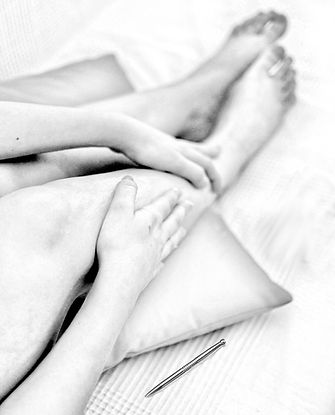
    1. Trace the meridian: Gently place your fingertips on the top of your second toe. Slowly and mindfully trace the path of the Stomach meridian up your leg, using light pressure. Visualize the energy flowing smoothly along this line. Stop at the eye of the knee. This is St 35.
    2. Feel for hollows: As you trace the meridian, notice any areas that feel empty,soft or cold. This may indicate areas of deficiency.
    3. Gentle Tonification: When you find a hollow. pause and rest the round tip of the teishin on that area. Apply gentle, consistent pressure, allowing your warmth and intention to penetrate and fill the tissues. Breath deeply and relax into each point before moving to the next. Complete the Stomach Qi Line.
    4. Retrace the meridian: Gently place your fingertips at the eye of the knee (St35). Slowly and mindfully trace the path of the Stomach meridian down your leg, using light pressure. Visualize the energy flowing smoothly along this line. Stopping at the tip of the second toe.
    5. Feel for sensitivities: As you trace the meridian, notice any areas that feel tender, tight, or otherwise sensitive. These may indicate areas of stagnation or imbalance.
    6. Gentle Reduction: When you find a sensitive spot, pause and rest the sharp tail of the teishin on that area. Apply a gentle touch, consistent light pressure, allowing your warmth and intention to melt away the tension and sensitivity. Breath deeply and relax into each point before moving to the next point.
    7. Repeat on the other Leg: This time is yours. Take a deep breath and repeat the sequence on the other leg.
    8. Complete the treatment: Sit in a straight and relaxed position. Take nine deep, slow breaths, feeling the energy flowing smoothly and harmoniously throughout your body.
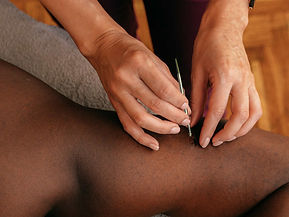
    Teishin Self Treatment on the leg

    Additional Tips:

    • Focus on your intention: Set an intention for healing and balance as you begin your treatment.
    • Trust your intuition: Let your fingers guide you to the areas that need attention.
    • Be gentle: The touch should be light and comfortable, never painful.
    • Consistency is key: Practice this self-treatment regularly to experience lasting benefits.
    • Consult a practitioner: If you have any concerns or questions, seek guidance from a qualified practitioner.

    By practicing this simple self-treatment, you can cultivate a deeper connection to your body and promote the smooth flow of qi along your Stomach meridian. This can lead to improved digestion, increased energy, reduced stress, and a greater sense of well-being.

  • Nine Needles of the Ling Shu: The Essence of Acupuncture

    Nine Needles of the Ling Shu: The Essence of Acupuncture

    I. Origin of the Nine Needles

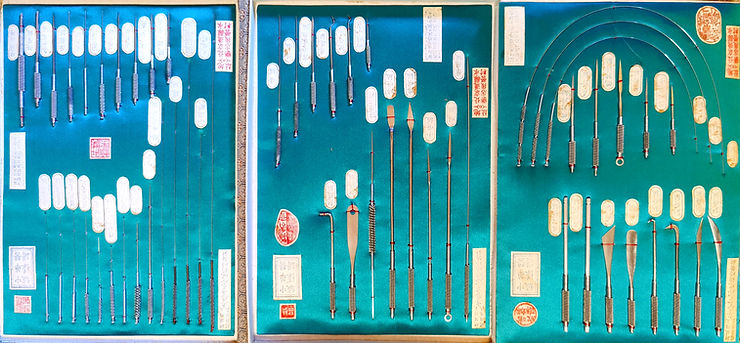
    Nine needles of the Ling Shu

    The Ling Shu (灵枢), one of the two major texts of the Huangdi Neijing (黄帝内经, Yellow Emperor’s Inner Classic), holds a pivotal place in classical Chinese medicine. While the Su Wen (素问), the first book of the Neijing, provides a theoretical foundation encompassing the principles of yin (阴) and yang (阳), the five elements, and the etiology of diseases, the Ling Shu delves into the practical methods of acupuncture. It is in the Ling Shu that we find detailed discussions on the meridian system, the application of needles, and various therapeutic techniques that form the backbone of traditional acupuncture.

    A notable feature of the Ling Shu is its emphasis on the nine needles (九针, Jiu Zhen), which are integral tools in classical acupuncture. These needles represent a sophisticated system of treatment tailored to address various pathological conditions through specific techniques. The differentiation and appropriate use of these needles are crucial for effective clinical outcomes in Ling Shu based acupuncture.

    It is important to recognize that the term “needle,” as used in the Ling Shu, encompasses a broad range of tools that can be categorized into three functional groups: non-insertive needles for rubbing and pressing, needles for draining body fluids such as bloodletting, draining pus, and reducing edema, and needles that resemble modern acupuncture needles. Each needle will be examined regarding its design, intended use, and appropriate techniques for treatment.

    Understanding the nuances of these nine needles is essential for practitioners to ensure the correct application of acupuncture techniques. Using the wrong needle, such as employing the seventh needle (filiform needle) when addressing a condition at the blood level, can result in suboptimal outcomes or even exacerbate the patient’s condition. Therefore, a thorough comprehension of each needle’s specific role and application is imperative for the accurate and effective practice of acupuncture.

    II. Historical Overview

    The nine needles described in the Ling Shu represent a profound understanding of acupuncture tools and techniques in ancient China. The Ling Shu, often translated as the “Spiritual Pivot,” is a foundational text in Chinese medicine, attributed to the legendary Yellow Emperor, Huangdi. The text itself is a dialogue between the Huangdi and his minister Qi Bo, focusing on the practical applications of acupuncture.

    In the opening chapter of the Ling Shu, Qi Bo’s first words emphasize the critical importance of understanding the nine needles. He explains to Huangdi that these needles are fundamental tools in acupuncture, essential for harmonizing the body’s qi and blood, restoring balance to the internal organs, and dispelling diseases. Qi Bo’s dialogue underscores that mastering the use of these nine needles is crucial for any practitioner aiming to achieve effective and precise therapeutic outcomes.

    Origins and Historical Context

    The Ling Shu, along with the Su Wen, forms the Huangdi Neijing, dating back to the Warring States period (475-221 BCE). The acupuncture needles and techniques described in the Ling Shu are very different and more diverse than the needles commonly used today. There was a greater emphasis on balance, harmony, and the flow of qi through meridians, rather than on the point actions and indications commonly used in modern TCM (Traditional Chinese Medicine).

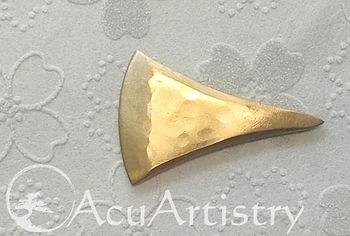
    Zan Shin Acupuncture needle
    Needle 1 The Arrowhead Needle

    In the Ling Shu, Chapter 1 (九针十二原, Nine Needles and Twelve Source Points), it states: “The needles are instruments of the sages. By the use of the needles, the sages harmonized the qi and blood, restored balance to the internal organs, and dispelled diseases” (Ling Shu, Chapter 1). This passage highlights the importance placed on the needles as essential tools for maintaining health and treating ailments.

    The Ling Shu describes nine specific types of needles for particular functions, demonstrating an advanced understanding of therapeutic interventions. The detailed descriptions of the nine needles provide a structured approach to acupuncture. Each needle has a specific technique and use associated with it. The needles are selected based on the location and type of disharmony or pathogenic influence affecting the patient.

    The careful study of the nine needles underscore a fundamental tenet of acupuncture: the importance of selecting the appropriate tool and technique for each specific clinical scenario. The Ling Shu emphasizes that improper use of needles can lead to adverse outcomes, a caution that remains pertinent in modern practice. As stated in Chapter 1: “If one does not adhere to the principles of the nine needles, the disease may not be resolved and can even worsen” (Ling Shu, Chapter 1).

    enshin acupuncture needles for gua sha
    Needle 2 The Round Needle

    The historical context provided by the Ling Shu offers invaluable insights into the development and refinement of acupuncture tools and techniques. Understanding the origins and evolution of the nine needles enhances our ability to apply these ancient practices effectively in contemporary clinical settings. Most modern acupuncturists have not been properly exposed to the nine needles and therefore are limited in their interventions. The Ling Shu offers a wide array of healing tools through the nine needles, and embracing them can enhance patient outcomes.

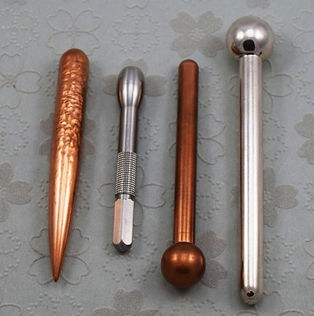
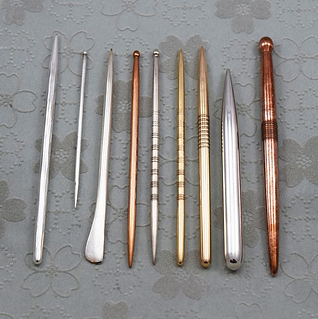
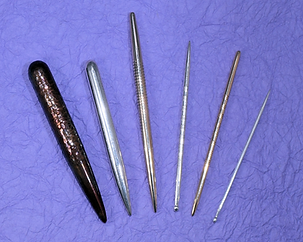
    Gold teishin, silver teishin, copper teishin,
    Needle 3 The Blunt Needle

    III. The Nine Needles: An Overview

    The nine needles, as detailed in the Ling Shu, each have unique shapes, sizes, and intended uses. This classification allows for targeted treatments tailored to address various pathologies and patient conditions. Understanding the categorization and applications of these needles is essential for practitioners aiming to harness the full potential of traditional acupuncture techniques.

    The nine needles, as detailed in the Ling Shu, each have unique shapes, sizes, and intended uses. This classification allows for targeted treatments tailored to address various pathologies and patient conditions. Understanding the categorization and applications of these needles is essential for practitioners aiming to harness the full potential of traditional acupuncture techniques.

    Categorization of the Nine Needles

    To facilitate their application, the nine needles are categorized into three groups based on their functions and techniques:

    1. Needles 1-3 – Non-Insertive or Very Lightly Inserted Needles:
    • These needles are primarily used for treatments, stimulating the skin, muscles and primary channels without insertion.
    • They include the Arrowhead Needle (镵针, Chan Zhen), Round Needle (圆针, Yuan Zhen), and Blunt Needle (鍉针, Di Zhen).
    1. Needles 4-6 for Draining Body Fluids:
    • Designed to address conditions involving excess fluids, such as bloodletting, draining pus, and reducing edema.
    • This category includes the Sharp-Edged Needle (锋针, Feng Zhen), Sword-Shaped Needle (铍针, Pi Zhen), and Round-Sharp Needle (员利针, Yuan Li Zhen).
    1. Needles 7-9 Inserted Needles:
    • These needles are the most similar to those used in contemporary acupuncture practice, intended for deeper insertion and manipulation.
    • The Filiform Needle (毫针, Hao Zhen), Long Needle (长针, Chang Zhen), and Large Needle (大针, Da Zhen) fall into this group.

    Each needle within these categories has specific indications and techniques associated with its use, underscoring the importance of proper selection and application in clinical practice.

    Importance of Categorization

    The categorization of the nine needles in the Ling Shu (灵枢) serves several key purposes in traditional acupuncture:

    • Precision in Treatment: By understanding the unique characteristics of each needle, practitioners can choose the most appropriate tool for the patient’s condition, enhancing treatment efficacy. This principle is supported by Chapter 5 of the Su Wen (素问), which discusses the importance of needle depth and the specific layers of the body that need to be targeted:
    • “The five depths of insertion correspond to the five layers of the body, each layer having its own therapeutic effect. The shallowest insertion treats the skin, the next level treats the flesh, the third level treats the blood vessels, the fourth level treats the tendons, and the deepest insertion treats the bones” (Su Wen, Chapter 5).
    • Safety and Efficacy: Proper needle selection helps prevent adverse effects and ensures that treatments align with the patient’s specific needs. Less invasive interventions should be use when the disease is in its early stages.
    • Therapeutic Versatility: The diverse range of needles allows for a broad spectrum of treatments, from superficial stimulation to deeper, more invasive interventions. This flexibility is crucial for addressing various pathologies and patient conditions effectively.

    The nine needles of the Ling Shu represent a sophisticated system of acupuncture tools, each designed for specific therapeutic applications. By categorizing these needles into three functional groups, practitioners can more effectively harness their unique properties to achieve optimal clinical outcomes.

    The Descriptions of the Nine Needles of the Ling Shu

    The foundational text of acupuncture, the Ling Shu, outlines nine distinct needles, each with unique features and therapeutic applications. Understanding these needles is key for practitioners seeking to provide effective and precise acupuncture treatments.

    Non-Insertive or Lightly Inserted Needles

    These first three needles are designed for superficial treatments, primarily stimulating the skin and muscles without deep penetration.

    1st – The Arrowhead Needle (镵针, Chan Zhen): This needle, with its sharp, pointed tip, is ideal for superficial pricking. It’s often used to release stagnation, stimulate qi flow, and address conditions like heat rashes and localized pain. The technique involves light, quick pricking motions. It treats the most yang levels.

    This needle is commonly used in traditional Japanese medicine as the Zanshin. This variation on the classical needle has added functionality of sweeping strokes to gently stimulate the channels.

    2nd – The Round Needle (圆针, Yuan Zhen): With its rounded, blunt tip, this needle is used for gentle massage and pressure on acupoints and meridians. It’s effective for treating muscle tension, spasms, and areas of qi stagnation. The technique involves pressing and massaging with the rounded tip.

    In traditional Japanese medicine this tool is known as the Enshin and is commonly employed to disperse areas of excess (trigger points) and for rubbing and massage techniques.

    3rd – The Blunt Needle (鍉针, Di Zhen): This needle features a flat, blunt end designed for pressing and spreading qi within muscle tissues without breaking the skin. It’s used to address muscle stiffness, tension, and superficial qi blockages. The technique involves firm pressing to spread qi. It is also use for tonification of the primary channels.

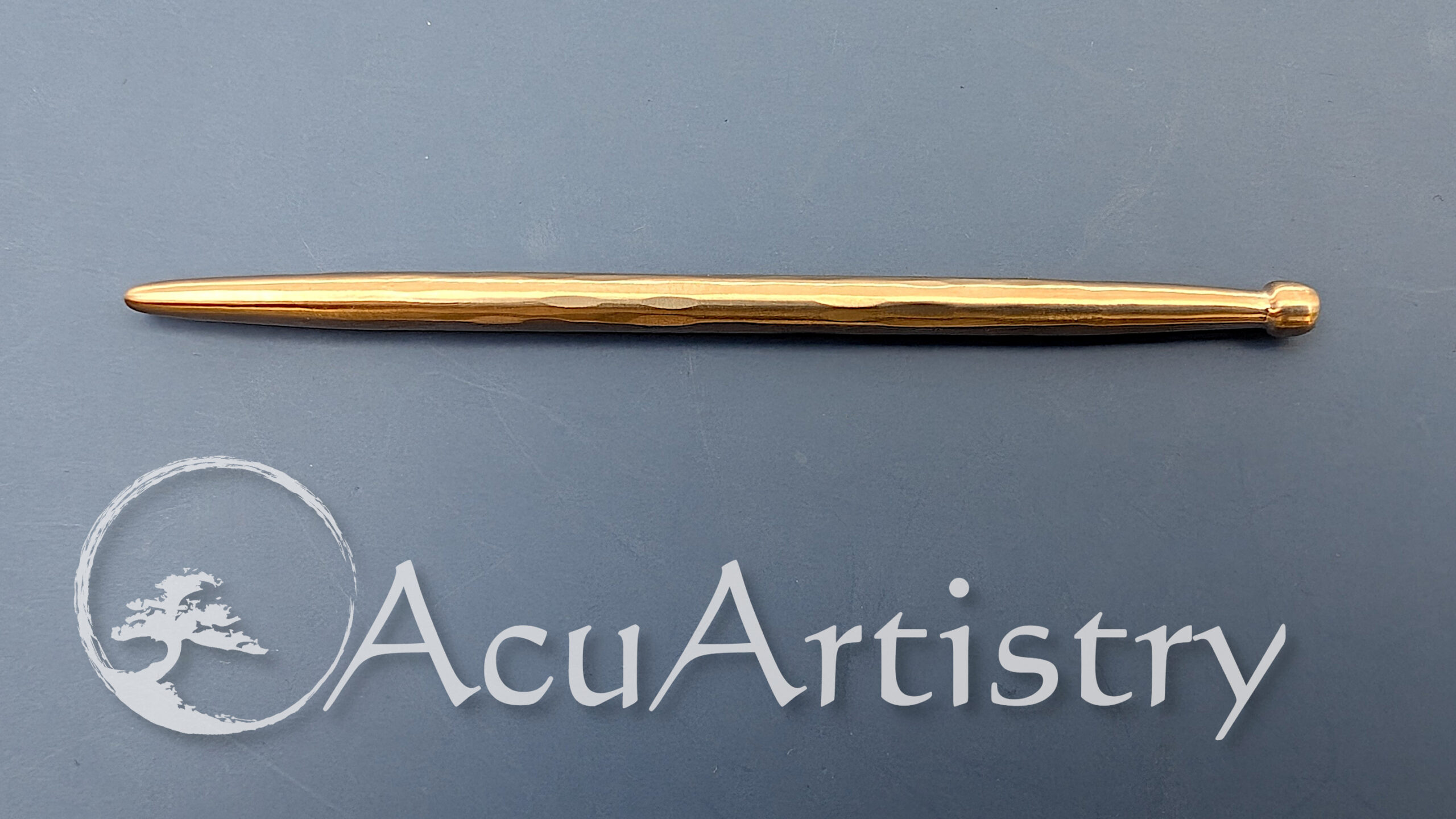
    In traditional Japanese medicine, this is known as the Teishin and is commonly used for contact needling, scattered needle technique, and a whole range of functions. There are Japanese practitioners who no longer use insertive needles and perform treatments using the Teishin as their primary tool.

    Needles for Draining Body Fluids

    The second group of needles is specifically designed for techniques like bloodletting, draining pus, and reducing edema.

    4th – The Sharp-Edged Needle (锋针, Feng Zhen): This needle has a triangular, sharp tip for shallow, precise incisions. It’s used to release small amounts of blood to expel heat and toxins and treat conditions like localized swelling and superficial infections.

    5th – The Sword-Shaped Needle (铍针, Pi Zhen): Featuring a broad, flat blade, this needle is designed for deeper incisions to drain larger amounts of fluids like pus or blood. It’s used for abscesses and deep-seated infections.

    6th – The Round-Sharp Needle (员利针, Yuan Li Zhen): This unique needle has a rounded body with a sharp point, and is shaped like a calligraphy brush. It is used for drain edema and fluids from tissue.

    Needles Similar to Modern Acupuncture Needles

    The final three needles closely resemble those used in contemporary acupuncture.

    7th – The Filiform Needle (毫针, Hao Zhen): This thin, flexible needle is used for deep insertion into acupuncture points and meridians. It’s essential for manipulating qi and blood in deeper layers, treating internal organ disorders, chronic pain, and deep-seated qi stagnation.

    8th – The Long Needle (长针, Chang Zhen): Characterized by its extended length, this needle is used for deep needling in thick muscles and deep tissues. It’s effective for conditions like deep muscle pain, sciatica, and issues affecting deeper body layers.

    9th – The Large Needle (大针, Da Zhen): With its thicker, sturdier body, this needle is designed for robust stimulation and moving large amounts of qi and blood. It’s used for severe pain, large areas of stagnation, and chronic conditions requiring strong stimulation. It is also associated with warm needle techniques.

    The Importance of Correct Needle Selection

    Selecting the right needle is paramount in acupuncture. The Ling Shu emphasizes that using the wrong needle can lead to ineffective treatment or even worsen the patient’s condition. Each needle’s design, purpose, and associated techniques must be thoroughly understood to ensure safe and effective treatments.

    IX. Conclusion

    The nine needles of the Ling Shu represent a sophisticated and nuanced approach to acupuncture, highlighting the depth of traditional Chinese medicine’s understanding of therapeutic tools and techniques. By categorizing these needles into three functional groups— non-insertive, fluid-draining, and modern-style needles—practitioners can achieve precise and tailored treatments for a variety of conditions. By mastering these tools, practitioners can deliver precise, effective, and personalized treatments, honoring the legacy of traditional Chinese medicine while meeting the needs of modern healthcare.


    References

    Unschuld, P. U. (2011). Huang Di Nei Jing Su Wen: Nature, Knowledge, Imagery in an Ancient Chinese Medical Text.

    Unschuld, P. U. (2016) Huang Di Nei Jing Ling Shu: The Ancient Classic on Needle Therapy

    Wu, J (2002) Ling Shu or The Spiritual Pivot

    Cecil-Sterman, A (2018) Advanced Acupuncture, A Clinic Manual

  • The Science of Teishin Acupuncture: A Needle-Free Approach to Healing

    The Science of Teishin Acupuncture: A Needle-Free Approach to Healing

    In recent years, Teishin based acupuncture has been gaining popularity as a more gentle and needle-free alternative to traditional acupuncture. In reality, the teishin was a primary tool of the acupuncturist in the earliest days of TEAM (Traditional East Asian Medicine). It was first introduced as the third of the nine needles in the Ling Shu Jing (100- 200 BCE) or Spiritual Pivot, which states, “The teishin has a point which is as sharp as a grain of millet. It controls the channels by touch, not penetration, to bring about the qi.” [1] Modern practitioners often include the second of the nine needles, the enshin, when discussing teishin since they are both non-inerted tools. The Ling Shu Jing states, “The enshin has the shape of an egg. It is used for rubbing and messaging, to divide and separate so as not to injure the muscles and the flesh.” [1] The article Teishin – A Brief History takes a deeper look at the teishin’s past.

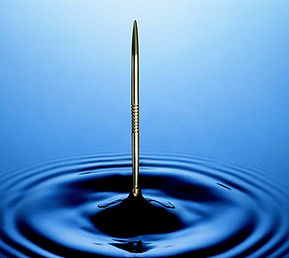
    An acuartistry Teishin acupuncture needle making ripples in water

    The teishin and the enshin are used without insertion, treating the patient by touch, pressing, and rubbing. This approach is particularly well suited for individuals who are apprehensive about the use of needles but can be a powerful tool when applied to all appropriate conditions. In this article, we will dive into the world of teishin-based acupuncture, exploring its potential benefits and delving into the science behind how teishin based acupuncture may work.

    Expanding the Patient Base with a Needle Free Alternative.

    Traditional acupuncture is known for using thin needles inserted at specific points on the body to promote healing. However, for some, the idea of needles can be intimidating. A cross-sectional survey in Canada found that 24% of parents and 63% of children reported a fear of needles. [2] One of the primary advantages of teishin use in acupuncture is its ability to expand the patient base by providing needleless options for those who might otherwise hesitate to receive acupuncture or TEAM treatments. Adding teishin as another tool in the acupuncturist toolbox opens the door for a more diverse range of individuals to experience the benefits of acupuncture therapy.

    The Science of Teishin Based Acupuncture

    Although there has been limited research on teishin based acupuncture specifically, several mechanisms of action may be at work during treatments. Here are some of the key potential mechanisms:

    • The Skin as an Active Interface
    • Increased Circulation to Bolster the Healing Response
    • Focused Healing Intention
    • Manual Pressure Release of Trigger Points

    Teishin and the Skin as an Active Interface

    Central to understanding teishin based acupuncture is recognizing the skin’s pivotal role as an active interface connecting our brain and body with the outside world. Research has found a bidirectional pathway between the brain and the skin known as the brain-skin axis. [3, 4, 5] The skin should be viewed not just as a protective barrier but as a sensory organ intricately connected to the central nervous system. [6] This revelation challenges conventional wisdom, suggesting that the skin’s role goes far beyond what meets the eye.

    The skin is teeming with cutaneous nerves, which have a multitude of roles. They are sensory messengers, regulating blood vessel tone (vasomotor tonus), and controlling the secretory activities of glands. Beyond these vital functions, cutaneous nerves also influence various physiological processes, such as inflammation, proliferation, and tissue repair. [7]

    acuartistry teishin based acupuncture treatment

    Research has illuminated the significant role played by cutaneous nerve innervation and neuromediators in the process of wound healing. [8] This intricate interaction between nerves and signaling molecules is critical for the body’s ability to repair itself. Cutaneous nerve fibers are not randomly distributed but are strategically placed to optimize the healing process, reinforcing their importance in our overall health. [9]

    One of the fundamental mechanisms through which teishin based acupuncture may operate is utilizing the skin as an active interface and mediating the brain-skin axis. By stimulating specific points on the skin’s surface, the teishin may modulate brain functions, which can lead to a wide array of health benefits. This bidirectional communication pathway emphasizes the potential of teishin techniques to influence our well-being profoundly.

    Teishin based acupuncture offers a fresh perspective on an ancient practice, leveraging the intricate network of cutaneous nerves and neuromediators that populate our skin’s surface. By stimulating the skin, this method taps into a pathway that can lead to improved health and well-being. Recognizing the skin as an active interface to the outside world is a crucial aspect of this approach, deepening our understanding of how the teishin can offer a unique path to healing. As research in this field continues to advance, we can anticipate further insights into the incredible potential of this skin-deep approach to wellness.

    Increased Circulation to Bolster the Healing Response:

    Circulation, a fundamental aspect of human health, plays a pivotal role in the body’s ability to heal and thrive. In the context of teishin based acupuncture, the role of circulation takes center stage, offering a unique perspective on how this approach may enhance overall vitality and healing. This section explores the intricate connection between teishin acupuncture and improved circulation and how it contributes to the body’s healing processes.

    Circulation is not merely a mechanical process but a lifeline that ensures the body’s overall well-being. It involves the transport of blood, nutrients, and oxygen throughout the body, which is essential for tissue repair, growth, and maintenance. For wounds and injuries, the role of circulation becomes particularly critical. Efficient circulation directs vital resources to the injured area, promoting the healing process. [10, 11]

    Teishin based acupuncture employs various techniques, each designed to invoke specific responses within the body. Some techniques that are traditionally thought of as tonifying can invoke vasodilation and increase circulation. One such technique, known as “scattered needle,” involves rapid taping over a specific area on the body with the teishin. The skin will often become slightly red and full, showing an increase in localized circulation. This increased circulation can be invaluable for various health benefits, including accelerated wound healing.

    Wound healing is a complex process influenced by several local factors, including circulation. Circulation carries extra nutrients, oxygen, and white blood cells to the injured tissue, creating an optimal environment for tissue repair. However, limited or compromised circulation can significantly delay the healing process, potentially leading to complications. When circulation is improved, more blood, nutrients, and oxygen are directed to the affected areas. This accelerates the healing of wounds and injuries and promotes overall vitality and well-being.

    By stimulating specific points on the skin’s surface, teishin based acupuncture may significantly enhance circulation. Employing techniques like scattered needle, teishin based acupuncture may enhance localized circulation, promoting better blood flow to injury sites and thus expediting the healing process. Understanding the interplay between circulation and Teishin-based acupuncture provides a fascinating glimpse into the multifaceted nature of this approach, showcasing its potential to improve overall health and well-being.

    Teishin and Healing Intention:

    In healing and wellness, the power of intention is a force that has long intrigued both scientists and practitioners. Often, we have marveled at the mysterious and potent phenomenon known as the placebo effect, typically associated with sugar pills and inert treatments. However, as highlighted by Stanford Medicine News, recent research offers a new perspective on the placebo effect. It suggests that the placebo response is not the result of taking a placebo but rather the combination of three key components: the body’s natural ability to heal, the patient’s mindset, and the social context in which healing occurs. [12]

    “The placebo effect is more than positive thinking — believing a treatment or procedure will work. It’s about creating a stronger connection between the brain and body and how they work together,” — Professor Ted Kaptchuk.

    Woman meditating to set a healing intention.

    This fresh understanding of the placebo effect opens the door to the powerful concept that our mindset and intention can significantly impact physical healing. The patient’s expectation of healing, rooted in their mindset, triggers specific brain areas associated with anxiety and pain. This activation, in turn, initiates physiological processes that contribute to healing outcomes. Moreover, this same mindset focused on the negative can lead to adverse effects, known as “nocebo” responses, further underlining the profound influence of the mind on our well-being. [12]

    With its unique focus on stimulating the skin’s surface, teishin based acupuncture provides a promising avenue for exploring the connection between intention and healing. By engaging with patients in a way that emphasizes the importance of intention and a positive mindset, practitioners can harness the power of the mind to enhance the healing process. Some teishin techniques involve holding the teishin at a specific point on the body, creating novel sensations, and invoking a strong mind-body connection. These novel sensations direct the patient’s intention to that area, causing them to hold a focus on healing.

    The emerging research on the power of intention and its influence on physical healing underscores the potential of the teishin as a tool in complementary medicine. By recognizing and nurturing the role of intention in the healing process, teishin based acupuncture opens up a fascinating dimension in the realm of traditional healing practices, offering patients a holistic approach that considers not only the body but also the mind’s influence on well-being and recovery. As we continue to explore this intricate interplay between intention and healing, teishin based acupuncture stands as a promising avenue for improving healthcare and patient outcomes.

    Teishin for Manual Trigger Point Therapy:

    Painful conditions of the musculoskeletal system constitute some of the most important chronic problems encountered in clinical practice. A myofascial trigger point refers to a highly sensitive area, often located within a tense region of skeletal muscle or fascia. When subjected to pressure, it is often tender and is associated with the development of distinctive referred pain, motor impairment, and autonomic responses. One commonly used method to relieve trigger point pain is Manual Pressure Release (MBR), which uses the application of sustained tolerable persistent pressure against the tissue barrier of a trigger point, [13] usually with the practitioners thumb as the tool.

    Using thumbs in trigger point release therapy

    Some styles of teishin based acupuncture use larger blunt variations of the tool known as enteishin or enshin and rely on deep manual pressure to stimulate tender or active points on the body, known as ashi points. While ashi points may be a broader category, they likely encompass trigger points. [14] Additionally, one study found that 71% of standard acupuncture points had a correspondence with trigger points. [15] Thus, using teishin based acupuncture with deep sustained pressure to alleviate tension, pain, and muscle knots can be classified as manual trigger point release.

    A Teishin-based approach to trigger point release offers an additional advantage, particularly beneficial for the practitioner. Among physical therapists and other professionals involved in manual therapy, thumb and hand injuries are prevalent, as reported in various studies. [16, 17] A teishin based approach proves less physically taxing for the practitioner, sparing their thumbs and fingers from the stress and fatigue associated with manual techniques. This observation underscores that teishin based acupuncture not only benefits the patient but also enhances the well-being of the practitioner, offering a more sustainable and comfortable approach to trigger point therapy.

    Technique Matters in Teishin Based Acupuncture:

    One of the advantages of teishin base acupuncture is that it allows practitioners to tailor their approach to the patient’s specific needs. For instance, a practitioner may use a scattered needle technique to address circulation issues. In contrast, pressing techniques with an enshin or enteishin may act as a manual pressure release for trigger points. Stationary listening techniques can be used to drive the healing intention of the patient. As we begin to understand how teishin based treatments work, customizing treatments with the appropriate approach for the individual patient becomes easier. We can choose the proper technique to invoke the response needed in the patient and improve patient outcomes.

    Teishin Research:

    Teishin based acupuncture presents a promising avenue for those seeking the benefits of acupuncture without the use of needles. While research in this field is still in its infancy, the potential mechanisms of action offer intriguing insights into how this technique may yield healing effects. By customizing techniques to emphasize specific mechanisms, practitioners can tailor treatments to each patient’s unique needs, providing a personalized and effective approach to healing.

    Incorporating teishin based acupuncture into the realm of TEAM opens up new possibilities for a broader demographic of patients, ultimately contributing to the diverse and evolving landscape of holistic healthcare.


    References

    1 Wu, J.-N. (2002). Ling shu, or, The spiritual pivot = Ling shu. Taoist Center ; Distributed by University of Hawaii Press.

    2 Taddio, A., Ipp, M., Thivakaran, S., Jamal, A., Parikh, C., Smart, S., Sovran, J., Stephens, D., & Katz, J. (2012). Survey of the prevalence of immunization non-compliance due to needle fears in children and adults. _Vaccine_, _30_(32), 4807-4812. https://doi.org/10.1016/j.vaccine.2012.05.011

    3 https://www.health.harvard.edu/blog/stress-may-be-getting-to-your-skin-but-its-not-a-one-way-street-2021041422334

    4 https://doctorclaudia.com/the-brain-skin-connection

    5 https://www.psychologytoday.com/us/blog/the-brain-body-connection/202106/the-mind-and-skin-connection

    6 Vidal Yucha, S. E., Tamamoto, K. A., & Kaplan, D. L. (2019). The importance of the neuro‐immuno‐cutaneous system on human skin equivalent design. _Cell Proliferation_, _52_(6). https://doi.org/10.1111/cpr.12677

    7 Danny W. Scott DVM, William H. MillerJr. VMD, in [Equine Dermatology (Second Edition)](https://www.sciencedirect.com/book/9781437709209/equine-dermatology), 2011

    8 Laverdet, B., Danigo, A., Girard, D., Magy, L., Demiot, C., & Desmoulière, A. (2015). Skin innervation: important roles during normal and pathological cutaneous repair.

    9 Ashrafi M, Baguneid M, Bayat A. The Role of Neuromediators and Innervation in Cutaneous Wound Healing. Acta Derm Venereol. 2016 Jun 15;96(5):587-94. doi: 10.2340/00015555-2321. PMID: 26676806.

    10 https://woundeducators.com/local-factors-affecting-wound-healing/

    11 https://blog.healogics.com/blog/circulation-affects-wound-healing

    12 https://med.stanford.edu/news/all-news/2017/03/health-care-providers-should-harness-power-of-mindsets.html

    13 Fryer, G., & Hodgson, L. (2005). The effect of manual pressure release on myofascial trigger points in the upper trapezius muscle. _Journal of Bodywork and Movement Therapies_, _9_(4), 248-255. https://doi.org/10.1016/j.jbmt.2005.02.002

    14 Lee, S., Lee, I., & Chae, Y. (2022). Similarities between Ashi acupoints and myofascial trigger points: Exploring the relationship between body surface treatment points. _Frontiers in Neuroscience_, _16_, 947884. https://doi.org/10.3389/fnins.2022.947884

    15 Melzack R, Stillwell DM, Fox EJ. Trigger points and acupuncture points for pain: correlations and implications. Pain. 1977 Feb;3(1):3-23. doi: 10.1016/0304-3959(77)90032-X. PMID: 69288.

    16 Albert, W. J., Currie-Jackson, N., & Duncan, C. A. (2008). A survey of musculoskeletal injuries amongst Canadian massage therapists. _Journal of Bodywork and Movement Therapies_, _12_(1), 86-93. https://doi.org/10.1016/j.jbmt.2007.03.003

    17 Gyer, G., Michael, J., & Inklebarger, J. (2018). Occupational hand injuries: A current review of the prevalence and proposed prevention strategies for physical therapists and similar healthcare professionals. _Journal of Integrative Medicine_, _16_(2), 84-89. https://doi.org/10.1016/j.joim.2018.02.003

  • AcuArtistry Tool Care Guide: Gua Sha, Teishin, and IASTM

    AcuArtistry Tool Care Guide: Gua Sha, Teishin, and IASTM

    Copper, silver, and gold are resilient and corrosion-resistant metals. With proper care, your AcuArtistry gua sha tool, teishin, or IASTM tool will last several lifetimes. There are two main cleaning methods, one for home use, when the tool is used only for self-care, and one for a clinical setting where cross-contamination is a concern.

    Copper Facial Gua Sha Tool
    Facial Gua Sha is popular both at home and in the clinic.

    For home use, first, wash the tool with soap and water. Make sure to remove residual oils or lotions. Next, rinse thoroughly to clean all soap residue. Finally, dry the gua sha tool completely. Depending on location and water quality, stains can occur if the item is not thoroughly dried.

    In a clinical setting, where cross-contamination is a concern, we have an extra step. First, clean the tool as described in the home use section. Next, use a hospital-grade disinfectant. These products vary greatly, so follow the instructions for your chosen product. Avoid bleach or ammonia-based products as they can affect the integrity of the metal. Finally, re-wash the tool to remove any disinfectant and dry it thoroughly.

    Things to Avoid

    Copper, silver, and gold are resilient and corrosion-resistant metals, but there are a few things to avoid.

    • Bleach and ammonia-based cleaners can degrade the metal and cause pitting on the item’s surface. Please avoid using these cleaners.
    • Avoid abrasive cleaners that will put micro scratches on the surface of the tool. They will slowly wear away the metal and damage the finish over time.
    • Most autoclaves will not damage your tool, but the process will cause extreme water stains and discoloration. These stains may be permanent, so be sure you are okay with changing the look of your tool before this method is employed.

    Color Changes in Copper

    Hand hammered Gua Sha Tool
    AcuArtistry Gua Sha Tool after nine years of daily use and abuse in a teaching clinic.

    Over time and use, the color of your tool will change. Eventually, with proper care, copper can develop a beautiful patina revealing deep blues, greens, and reds in the metal. Often copper will go through a slightly “ugly” period before beautiful color variations reveal themselves. These color changes are a perfectly normal process that all copper will undergo. A high-quality jewelry polish can be used if you want to restore the copper to its original shine.

    Special Notes On Silver and Gold Items

    AcuArtistry handmade silver and gold guide tube for easy insertion of acupuncture needles
    Custom Silver and Gold Guide Tubes

    Silver and gold are soft metals that can scratch or bend easily. Therefore, take extra care when storing or handling them and strictly avoid abrasive cleaners. Silver tools can tarnish. A silver tool that sits unused for a long time or is stored in an oily environment (e.g., some types of leather cases) will discolor faster. Use a high-quality jewelry cleaner to remove the tarnish.

    “Live quietly in the moment and see the beauty of all before you. The future will take care of itself.”

    — Paramahansa Yogananda

  • Teishin – A Brief History

    Teishin – A Brief History

    The teishin is a gentle and effective tool for treating patients without inserting acupuncture needles. It is popular in Meridian Therapy and other styles of Traditional Japanese Medicine. Using a teishin causes no pain or discomfort, allowing practitioners to treat even the most sensitive of people. With guidance, patients can learn to use teishin at home as a self-care tool, prolonging the therapeutic benefits of their treatment between appointments. This aspect of teishin not only empowers patients to take charge of their health but improves treatment outcomes making acupuncture more effective and affordable.

    design of a Teishin a type of needle used for acupressure in Japan
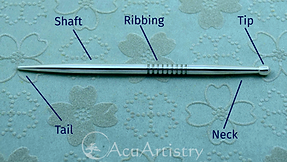
    Anatomy of a teishin

    History of the Teishin​

    Teishin Bian Stone
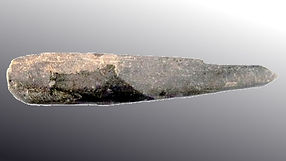
    Bian Stone

    The teishin can be traced back to the late neolithic period in China, where bian stones were used medicinally by pressing, rubbing, incising, and lancing specific areas of the body. However, bian stones were different in shape and constructed from different materials than the modern teishin. These tools were likely part of China’s early shamanic traditions and had spiritual significance as well as being practical medical devices.

    The first written documentation of the teishin can be found in the Huang Di Nei Jing Ling Shu (The Yellow Emperor’s Classic Spiritual Pivot). This is the oldest technical manual on acupuncture and is attributed to Huang Di, the semi-mythical first emperor of China who reigned from 2697 BC–2597 BC. However, it is likely that the manuscript was actually written during the Warring States period (481 BC – 221 BC) and attributed to Huang Di to bolster credibility and emphasize its importance. At present, the true author and precise publication date remain unknown.

    The Ling Shu emphasized the importance of the nine needles and the techniques that are associated with them. It should be noted that these are not what we think of as needles. The first three of the nine needles, the zanshin, enshin, and teishin, did not penetrate the skin and were more akin to massage tools. The second three of the nine needles were lancing tools used to drain blood, pus, and other body fluids. Only the last three needles most resemble what we currently think of as acupuncture needles.

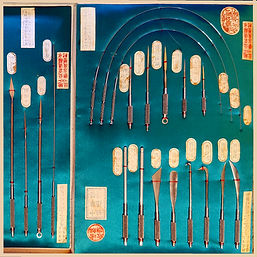
    Teishin historic acupuncture needles
    Unfortunately, there are no actual archaeological examples of the nine needles. All images, whether from a museum or book, are artists’ reinterpretations.

    The importance of the nine needles is repeated throughout the Ling Shu, starting with the very first words spoken by Qi Bo, the emperor’s court physician. Huang Di asked Qi Bo what the best way to deliver healthcare to his people was, and Qi Bo replied, “You want to know about the nine needles and their ways.” The significance of the nine needles can not be under-emphasized as they were at the very heart of early Chinese medicine. The third of the nine needles, the teishin (di zhen in Chinese), is described as “…having a head like a grain of millet” and “…controlling the channels by touch, not penetration, to bring about the qi”.

    In China, over the course of several centuries, the use of acupuncture needles consolidated to very few designs, and the seventh of the nine needles, the goshin (hao zhen in Chinese), became the dominant tool used in acupuncture. The goshin closely resembles the modern filiform needles currently used by most contemporary acupuncturists. The teishin and other needles seemed to be lost to history.

    Teishin Types
    Various Styles of Teishin

    During Japan’s Edo period (1603 -1867), there was a shift in acupuncture. Japanese medicine, isolated from exterior influences, began to evolve in various ways. During this time, blind acupuncturists became common in Japan, making palpation and touch the primary modes of diagnosis and treatment; Waichi Sugiyama invented the guide tube influencing modern acupuncture in ways that could not be anticipated, and the nine needles of the Ling Shu began to re-emerge. The teishin was back and would continue to evolve in Japan to the present day.

    These days, the use of the teishin has spread around the world. Renowned contemporary educators like Takahiro Funamizu in Japan and Jeffery Dann in the United States are teaching the art of the teishin as a primary treatment modality. The teishin, as well as the other nine needles, have been reborn, offering a gentle and effective alternative to needle insertion. These elegant tools are helping modern acupuncturists expand their patient base and reach a wider population that would normally not seek out acupuncture.

  • ​The Energetic Properties of Metals in the Healing Arts

    ​The Energetic Properties of Metals in the Healing Arts

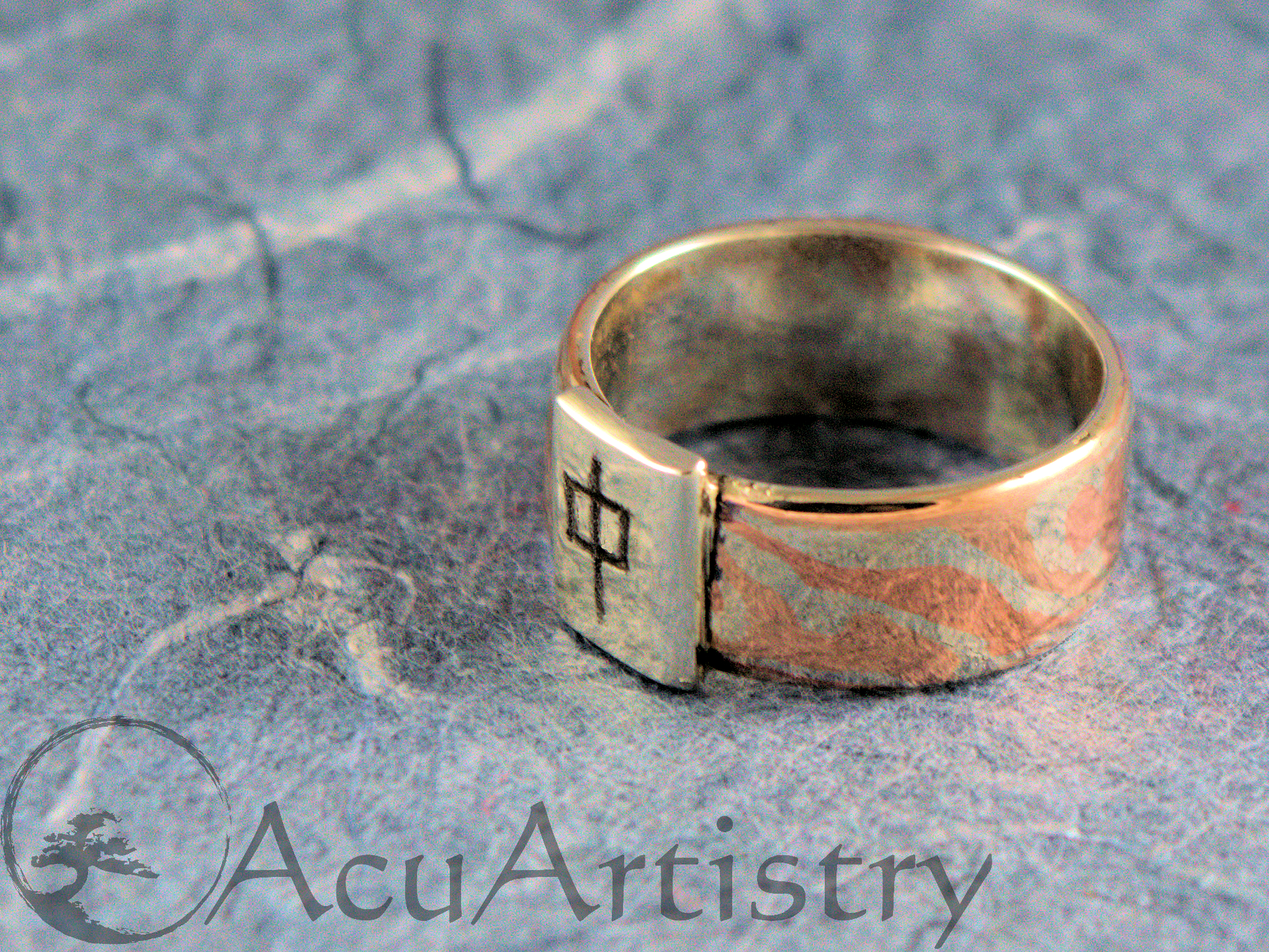
    silver and copper Mokume Gane ring with Zhong etching

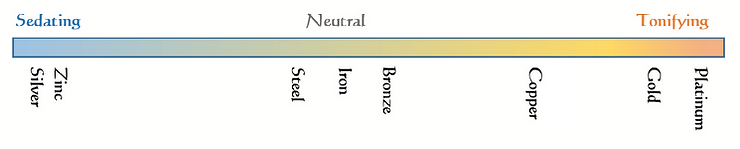
    Metals have long been used in the healing arts for their unique properties and energetic qualities. In Japan, the type of metal used in teishin-based acupuncture techniques, such as shonishin, Tyohari School, or Funamizu Style treatments, is often a primary consideration. The best metal used for a facial gua sha tool can be determined by the user’s complexion, and creating the correct bronze alloy for a singing bowl is a critical factor in its resonant qualities. Each metal has its unique personality that can be enhanced or shaped using the appropriate techniques.

    In this article, we will explore the energetic qualities of different metals commonly used in the healing arts, such as copper, silver, gold, bronze and platinum, and discuss their uses and benefits. We will also discuss some scientific evidence supporting the use of metals in this way and provide tips for incorporating metal-based therapies into your healing practice.

    An info graphic showing the energetic properties of metal in acupuncture

    Silver is a cool nourishing rain washing away the dirt on a warm summer day.

    One of the most widely used metals in the healing arts is silver. This precious metal is known for its potent antimicrobial properties, which make it an effective tool for fighting infection. In fact, silver has been used for centuries as a natural remedy for a wide range of health conditions, including wounds, burns, and even cancer. In addition to its antimicrobial properties, silver has calming and soothing effects on the mind and body. Some healing arts practitioners even use silver to help promote restful sleep and reduce anxiety.

    Hand made teishin by acuartistry
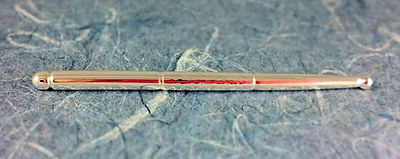
    Fine silver taishin hand crafted for Dr. Higuchi Hideyoshi

    Silver in East Asian medicine is traditionally considered sedating and can easily transmit the practitioner’s intention. Since silver takes on the practitioner’s intention so well, it is often the best choice for a first teishin. From a physics standpoint, silver is the most thermally and electrically conductive metal. The two types of silver used are fine silver and sterling silver. Fine silver is over 99.9% pure and is slightly softer than sterling. It offers purer energetics and is somewhat more sedating. Sterling silver is 92.5% silver and 7.5% other metals (usually copper). Sterling has a flatter, energetic feel but offers slightly superior durability making it ideal for tools used for scraping and rubbing. Silver is often used as a polarity agent or Yin-Yang pair with gold.

    Gold is a bright ray of the sun over a fertile field.

    This precious metal is known for its lustrous yellow color and its versatility. In east Asian medicine, it is thought of as tonifying, slightly warm, and easy to manipulate. Solid gold teishin are heavy in weight and have a bright, lively feel. They are fast-acting, so practitioners must be careful not to over-treat patients when using teishin or other tools made from gold. Gold is traditionally linked to longevity, clarity of the soul, and spiritual enlightenment.

    Gold-plated healing implements are popular for their cheap price, but this comes with a significant drawback. Gold plating is extremely thin, usually 0.25 – 5 micron range (0.00001″ -0.0002″), and has little effect on the energetics of the metal. In fact, the material that has been plated, usually aluminum or pot metal, will have more impact on the tool than the tiny amount of gold used to plate it. Gold-plated teishin with lightweight aluminum cores have become popular in recent years due to the lower price. Unfortunately, these teishin usually have the dull energetic quality you would expect from aluminum.

    Silver and Gold as a Yin-Yang Pair

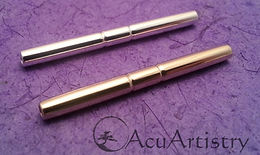
    Gold and silver acupuncture guide tubes
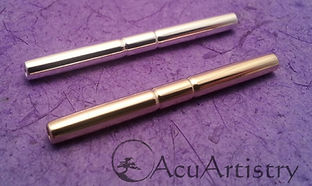
    Yin-Yang pair of Silver and Gold acupuncture guide tubes.

    In Japanese acupuncture, silver and gold are often used together as a yin-yang pair. This is because the two metals have opposing, yet complementary, effects on the body. For example, silver has cooling and soothing properties, while gold has warming and stimulating effects. Therefore, practitioners can provide a more balanced and effective therapeutic approach by combining these two metals.

    Silver and gold teishin are often used as polarity agents for Manaka-style acupuncture treatments to stimulate the flow of qi in specific directions through the channel systems. This approach is commonly used to balance the Eight extraordinary vessels.

    Copper is warm blood continuously cycling through the body.

    This reddish-brown metal is known for its ability to conduct electricity and heat, which makes it a popular choice for various therapeutic applications. In East Asian medicine, copper is considered slightly tonifying without being too warm. In addition, it has an affinity to the blood level, which makes it an excellent choice when treating Luo Channel issues. In Traditional Chinese medicine, the luo channels are connected to memory and mental health. When these channels become blocked or imbalanced, it can lead to various mental health problems, such as memory loss, confusion, or anxiety.

    Copper offers excellent corrosion resistance and has potent antimicrobial and anti-viral properties, which make it an effective tool for fighting infection. Hospitals and medical clinics have recently started coating door knobs and other commonly touched items with a thin layer of copper to help fight the spread of infections. This property makes copper an ideal choice for acupuncture guide tubes.

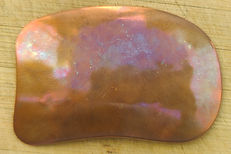
    Handmade facial gua sha tool
    Pure copper facial gua sha tool.

    The antimicrobial properties and blood level actions also make copper the perfect choice for gua sha tools. Copper is also often used in teishin by students who are not ready to invest in gold. This is better than gold plating for a practitioner on a budget.

    Zinc is empty, like a dry riverbed waiting to be filled.

    This bluish-white metal is known for its versatility and ability to resist corrosion, making it a popular choice for various therapeutic applications. Zinc is often taken as a supplement to boost the immune system and protect against infection. Topically, zinc is used to help improve skin health and reduce the appearance of scars and blemishes.

    Copper and zinc as polarity agents.

    Copper and zinc discs are often paired in Manaka-style polarity treatments. If you remember 6th-grade science class and potato batteries, you know zinc and copper are often used in a dielectric to produce an electrical charge. Zinc is used as the negative electrode, or anode, while copper is used as the positive electrode or cathode. By combining these two metals, scientists can create a simple battery using a potato as an electrolyte. In Manaka-style acupuncture treatments, the patient is the dielectric. Dr. Yoshio Manaka originally developed this treatment method to speed healing in patients suffering from burns and later adapted it to his acupuncture system.

    Platinum is a singularity with all its potential; explosive and life-giving.

    This rare, silvery-white metal is known for its strength, durability, and ability to withstand high temperatures. Platinum is very tonifying, hot, and difficult to control. It is often used to improve mental clarity and focus. Care should be taken with platinum as it is easy to over-treat when using tools made from this material. Platinum tools are often prohibitively expensive, not only because of the cost of the material but its exceptionally high melting point (3,215°F) makes it difficult for artisans to work with it.

    Bronze is full of potential, waiting to be forged into resonance.

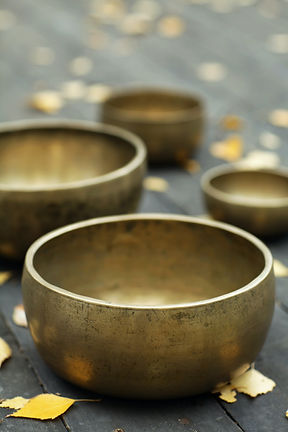
    bronze singing bowls

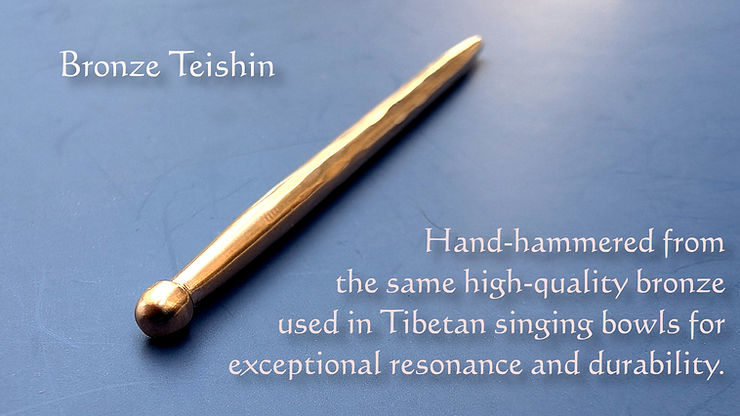
    Bronze is an alloy of copper and tin, and possesses a stiff, resonant quality. While copper itself has a warm, tonifying nature, the addition of tin gives bronze a neutral feel that is brimming with potential. Historically, bronze was among the first materials used for acupuncture needles, though it was eventually superseded by the stiffer and more durable steel. The original Nine Needles described in the Huang Di Nei Jing Ling Shu were likely forged from bronze.

    The tradition of using bronze for singing bowls and bells dates back centuries and highlights its unique properties. These instruments, when played by a skilled musician or practitioner, produce intricate harmonic vibrations. Singing bowls, in particular, generate a soothing sound known for its therapeutic benefits. Beyond their sonic qualities, singing bowls hold a rich spiritual history, often integrated into various meditative and ceremonial practices.

    Iron is a soft muddy field; it is difficult to traverse but will eventually bring new life.

    Iron is a key component in our blood. It is neutral in its unoxidized state, but as it rusts, it becomes warmer. Magnetite is one of the main iron ores, with the chemical formula Fe3O4, and is used extensively in the healing arts to neutralize negative emotional states such as fear, anger, and depression. Magnets are also worn to relieve inflammation and pain associated with arthritis.

    Iron is not generally used in modern acupuncture tools, probably due to its ease of corrosion. It was, however, used in ancient times before the development of high-quality steel. Please note only some steel contains iron; therefore, steel is only a reliable replacement for iron if the exact composition is known.

    Steel is a clear, crisp winter night spent gazing at the stars.

    Steel is an alloy, and its exact combination of metals will differ from steel to steel. The steel used in your kitchen knife differs from the steel used in your frying pan. They have been formulated for different purposes and require compositions of base metals. Steel is generally neutral and tends to feel flat and cold unless manipulated. Most modern acupuncture needles are made from steel. Modern surgical tools are often made from stainless steel for their durability and ease of sterilization.

    Titanium is inert and unmoving, like the universe before the first sound.

    This metal is very durable and lightweight but has very low electrical and thermal conductivity. It is incredibly flat and neutral energetically and is not commonly used in traditional healing arts. However, its often used in surgeries and prosthetics due to its inertness.

    The Physical Properties of Metals

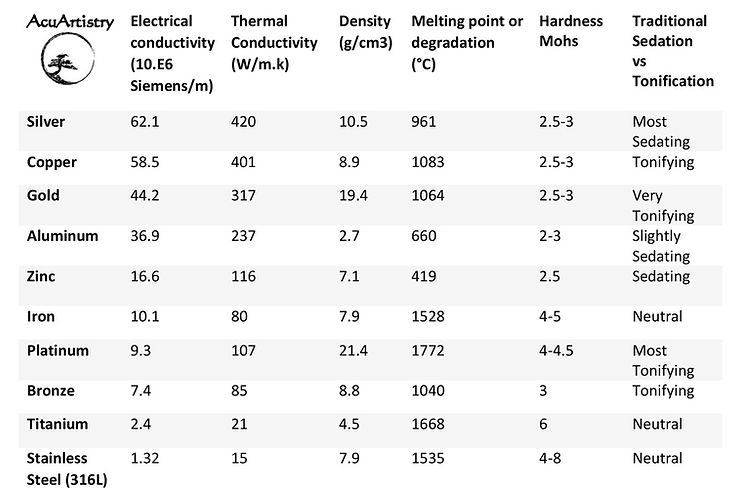
    ​The chart below compares the physical properties of metals commonly used in the healing arts. For example, the most frequently used metals for teishin (silver, copper, and gold) are also the most electrically and thermally conductive. On the other hand, the materials used in most modern medical applications (titanium and stainless steel) have the least electrical and thermal conductivity and the highest hardness. The last column in the chart lists the traditional ideas on sedation versus tonification and is given as a frame of reference for comparative purposes.

    This chart compares the physical properties of metals commonly used in the healing arts with energetic properties.

    Conclusion

    The use of metals in the healing arts is a centuries-old tradition that is still relevant today. Each metal has unique properties and energetic qualities that can promote health and well-being in different ways. Some metals, such as silver and gold, are known for their conductive properties and make excellent teishin. Others, such as copper, with its antimicrobial properties and affinity to the blood, make excellent gua sha tools. Bronze is known for its resonant qualities and is often a choice material in sound healing. Choosing the most suitable metal for your healing implements can create a synergy that can bolster and amplify your work as a healing practitioner.

    Whether you are a seasoned practitioner of the healing arts or simply looking for new ways to promote your health and well-being, exploring the energetic qualities of metals can be a valuable addition to your wellness routine. By learning about the unique properties and uses of different metals, you can make informed decisions about which ones may best suit your individual needs healer.